How Long Do Veneers Last?
Porcelain veneers typically last ten to fifteen years, but the range depends on grinding, bonding quality and gum health rather than the ceramic itself. A Brookline, MA dentist explains what shortens the lifespan and when something simpler is better.
Porcelain veneers typically last ten to fifteen years, and systematic reviews of clinical studies report high survival rates at the ten-year mark. Composite veneers last considerably less, usually three to seven years. The range is wide because longevity depends far less on the porcelain itself than on three things: how well the veneer was bonded, whether you grind your teeth, and whether the gum margin stays healthy. Get those right and fifteen years is realistic. Get them wrong and you will be back inside five.
How Long Do Porcelain Veneers Last?
Published clinical follow-up on porcelain laminate veneers consistently reports survival in the region of ninety percent or better at ten years, depending on the material and the study population. Newer analyses comparing feldspathic, leucite-reinforced, lithium disilicate and zirconia veneers find broadly similar performance with material-specific differences at the margins.
Porcelain outlasts composite for a straightforward reason: it is a ceramic, fired at high temperature, and it does not absorb stain or wear at the rate a resin does. Composite bonding is quicker, cheaper and reversible, and it is the right answer for a small chip, but it discolours at the margins and needs polishing or replacing sooner.
It is worth being clear about what failure means. A veneer rarely falls off dramatically. Failure in the literature usually means a chip at an incisal edge, debonding at one corner, staining along the margin, or fracture under load. Most of those are repairable or replaceable one unit at a time rather than requiring the whole set to be redone.
What Shortens the Lifespan of Veneers
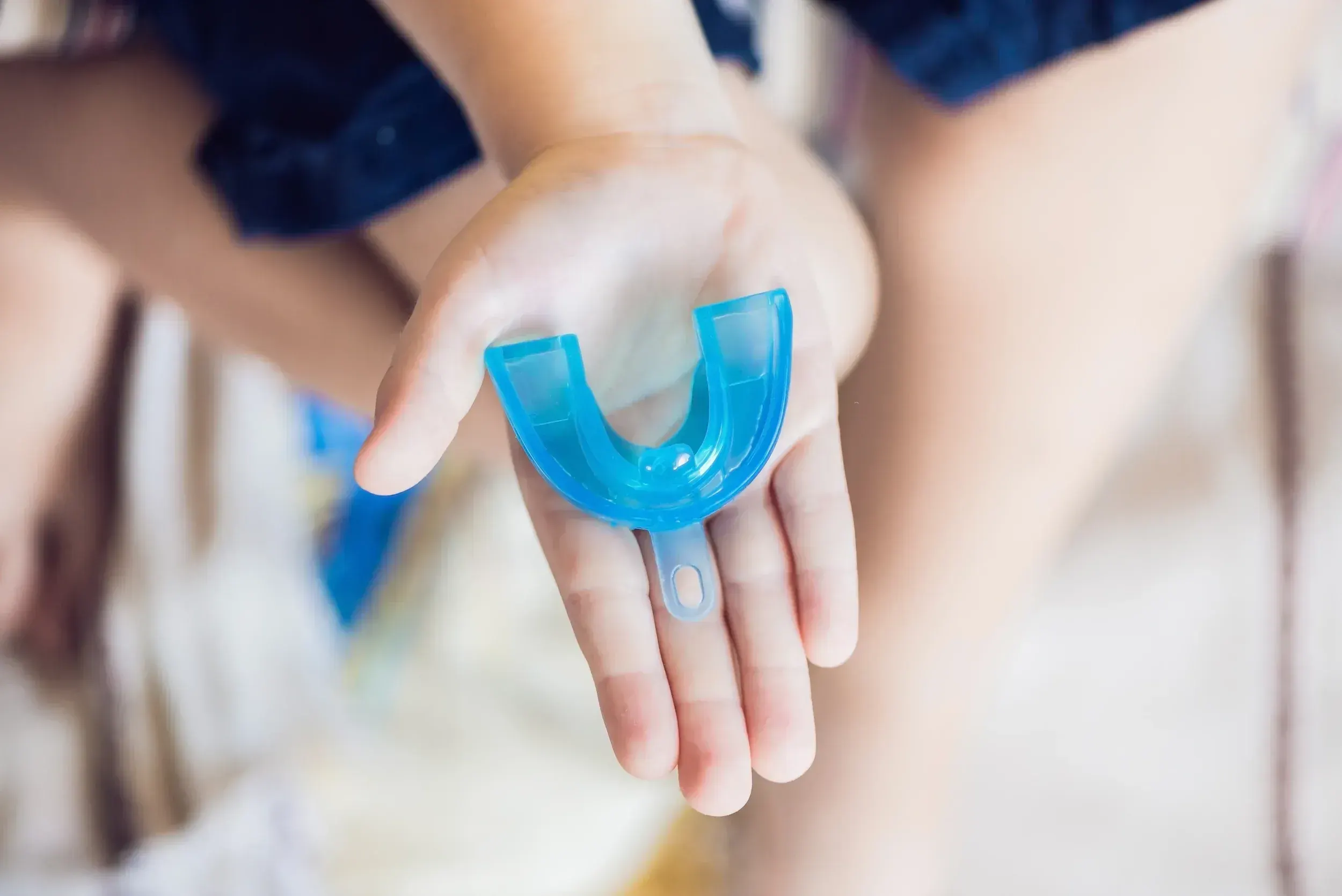
Nighttime grinding is the single biggest factor. Bruxism generates forces well beyond normal chewing, and porcelain that is half a millimetre thick is not designed to absorb them repeatedly. This is why we assess for grinding before planning veneers and why a night guard is part of the treatment plan rather than an optional extra. Our page on a night guard to protect your veneers covers the specifics.
Biting habits. Fingernails, ice, pens, bottle tops and packaging. Front teeth are for incising food, and veneered front teeth are less forgiving than natural enamel about anything else.
Gum recession exposing the margin. A veneer margin sits at the gum line. If the gum recedes, the junction becomes visible and vulnerable to decay, which is often what triggers replacement rather than any failure of the porcelain. Keeping gums healthy is therefore part of keeping veneers.
Poor bonding or over-preparation. The bond is what gives a thin shell its strength. Contaminated bonding surfaces, inadequate isolation or preparation that removes so much enamel that the veneer is bonded largely to dentine all reduce longevity substantially. This is a technique issue, and it is one reason the cheapest quote is rarely the best value.
What Extends It: The Maintenance That Actually Matters
Wear the night guard if one has been made for you. Clean between the teeth daily, because the margin is where problems start. Attend hygiene visits so the margins are checked and cleaned professionally, and mention any new sensitivity promptly rather than waiting for a scheduled appointment.
Avoid abrasive whitening toothpastes and charcoal pastes, which dull the glaze over time. Use a soft brush with light pressure, both to protect the glaze and to protect the gum position. None of this is onerous, and it is the difference between a set that looks good at year twelve and one that looks tired at year six.
When You Do Not Need Veneers
This is the section that matters most, because a great deal of cosmetic dentistry is sold to people who needed something simpler.
If your only concern is shade, custom take-home whitening is the honest answer. It costs a fraction of veneers, removes no enamel and is reversible in the sense that nothing has been altered. Our page on custom take-home whitening, if shade is your only concern sets out what it will and will not lighten. If your discoloration is tetracycline banding or a single dark tooth after trauma, whitening will disappoint and veneers become reasonable.
If the issue is one small chip, composite bonding or a filling repairs it in a single visit for a fraction of the cost. The relevant condition page is chipped tooth repair in Brookline, MA.
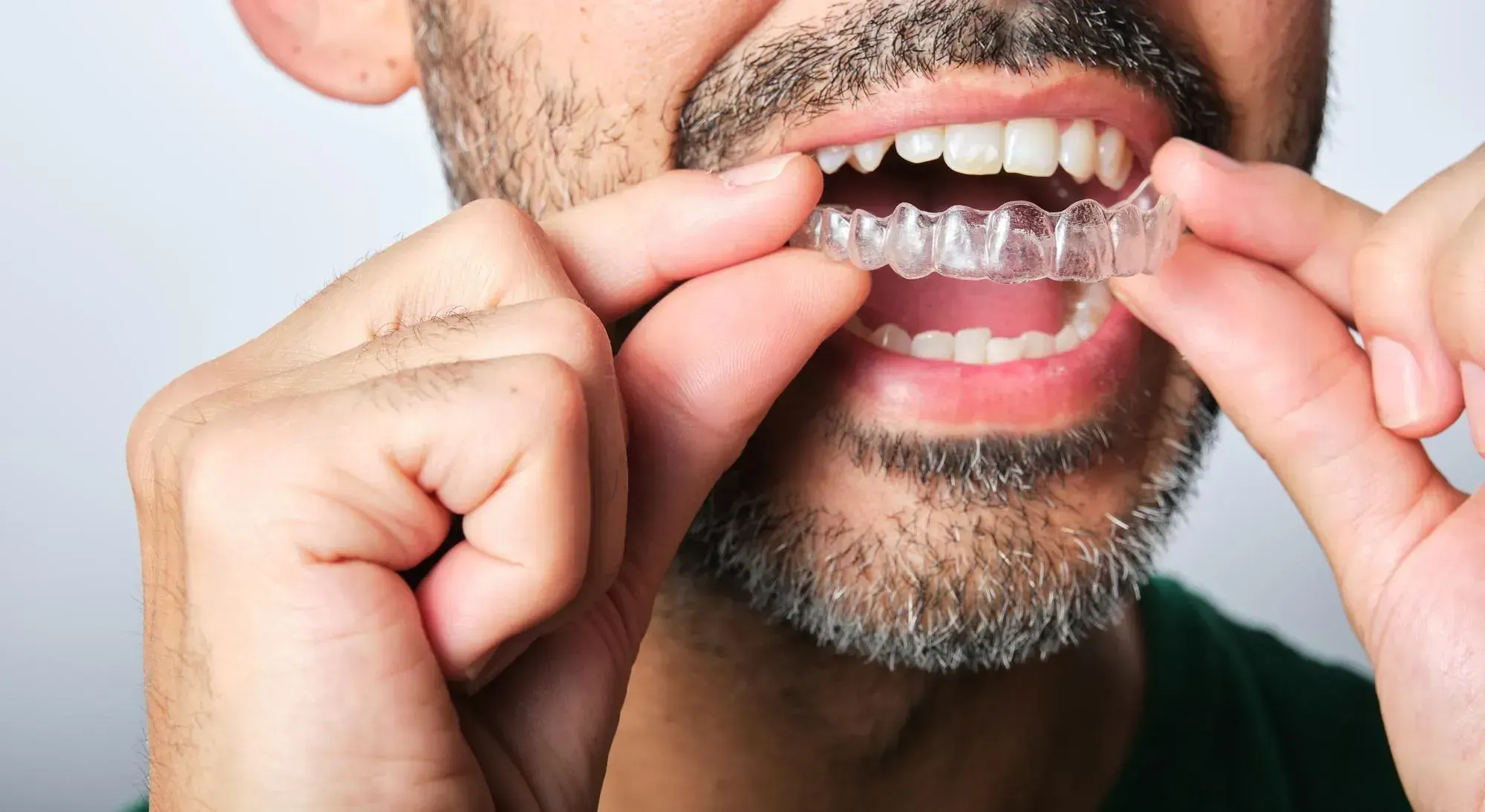
If teeth are crowded or rotated, straighten them first. Aligning teeth with Invisalign clear aligners means far less enamel has to be removed for any porcelain that follows, and often the alignment alone achieves what the patient actually wanted. In many cases straightening with Invisalign reduces or removes the need for veneers altogether. Skipping this step forces aggressive preparation, which is a poor trade for the tooth.
If the tooth is structurally damaged, a crown is the correct restoration, not a veneer. A veneer covers the front surface and relies on the tooth beneath for strength. Where a cusp has fractured or the tooth is root-treated, dental crowns for structurally damaged teeth are what hold it together.
Veneers vs Crowns vs Bonding vs Whitening
| Treatment | Changes | Enamel Removed | Typical Lifespan | Best For |
|---|---|---|---|---|
| Porcelain Veneers | Shape, shade, spacing | 0.3 to 0.7 mm | 10-15 years | Several concerns at once on sound teeth |
| Composite Bonding | Small shape defects | Minimal | 3-7 years | One chip or a small edge repair |
| Dental Crowns | Whole tooth structure | 1 to 2 mm all round | 10-20 years | Structurally compromised teeth |
| Take-Home Whitening | Shade only | None | 1-3 years | Yellow-toned staining, good tooth shape |
Where several of these apply at once, sequencing them properly matters more than any individual choice, which is what a full smile makeover plan is for.
What to Expect: The Two-Visit Process
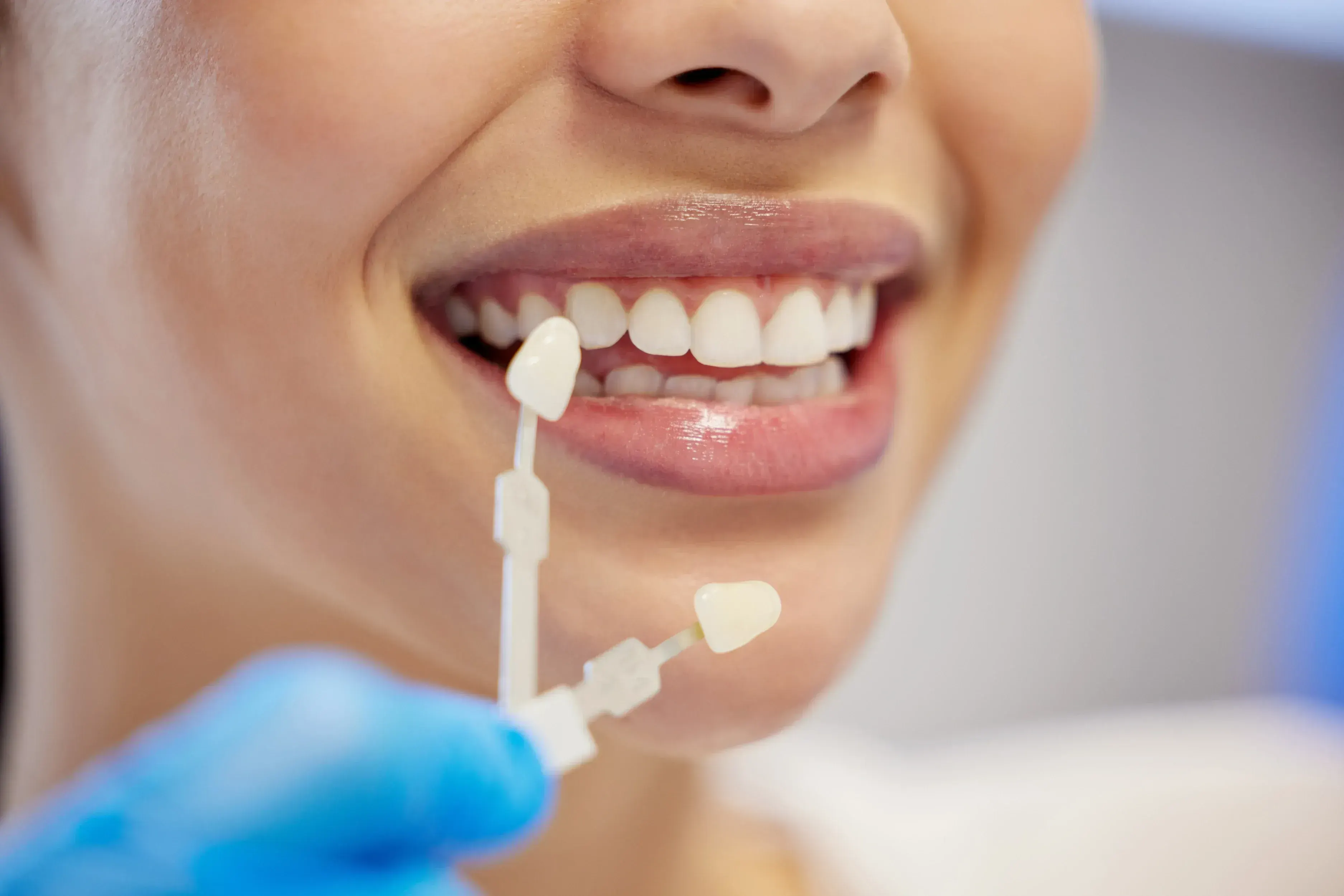
Veneers are planned before they are made. Photographs and a digital scan produce a diagnostic wax-up, and a trial smile lets you wear a version of the proposed result before any enamel is touched. That approval step is where changes to length, shape and shade cost nothing but time.
At the preparation visit, a fraction of a millimetre of enamel is reshaped, the teeth are scanned and provisional veneers are fitted for two to three weeks. At the bonding visit each veneer is tried in, checked for shade and fit, then bonded and the bite refined.
Shade is chosen against your own teeth in natural light. If whitening is part of your plan it happens first, because porcelain does not lighten later. Getting that order wrong is one of the more common and least reversible mistakes in cosmetic dentistry.
Are Veneers Worth It? An Honest Cost-Over-Time View
Veneers commonly cost $1,200 to $2,500 per tooth nationally, and most cosmetic cases involve six to ten teeth. Spread across a twelve-year lifespan, the annual cost of a well-maintained set is not trivial but is more comparable to other long-term investments than the headline figure suggests.
The honest caveat is that preparation is irreversible. Once enamel is reshaped, that tooth will always need a covering of some kind. That is the real decision, more than the money: you are committing to maintaining restorations on those teeth for the rest of your life. For patients whose concerns genuinely require veneers, it is a reasonable trade. For patients who need whitening and one bonding repair, it is not.
Frequently Asked Questions About Veneer Longevity
How long do veneers last?
Porcelain veneers typically last ten to fifteen years, with clinical studies reporting high survival at ten years. Composite veneers last three to seven. Grinding, biting habits, gum recession and bonding quality determine where in that range you land, more than the brand of ceramic used.
Are veneers worth it?
They are when the concern is genuinely multiple: shape and shade and spacing together, or intrinsic staining that will not bleach. They are poor value when the only issue is colour, or a single small chip, because simpler treatments solve those without removing enamel permanently.
What is the difference between veneers and crowns?
A veneer covers only the front surface and preserves most of the tooth. A crown covers the tooth entirely and is used when the tooth is structurally weak, heavily filled or root-treated. Veneers are a cosmetic solution on sound teeth; crowns are a structural solution on compromised ones.
Veneers or bonding, which should I choose?
Bonding for one small chip, veneers for several teeth needing shape and shade changed together. Bonding is cheaper, quicker and more conservative but stains at the margins and lasts three to seven years. Veneers cost more, remove enamel permanently and last considerably longer.
Should I whiten my teeth instead of getting veneers?
If shade is your only concern, yes. Whitening removes no enamel, costs a fraction as much and is reversible in the sense that nothing has been altered. It will not help intrinsic tetracycline banding or a single dark tooth after trauma, where veneers become the realistic option.
Do veneers ruin your natural teeth?
They do not damage the tooth, but preparation is irreversible. Once enamel is reshaped, that tooth will always need a covering. That is why we recommend whitening, bonding or Invisalign first whenever those would achieve what you want.
What happens when veneers need replacing?
Individual units are usually replaced rather than the whole set. The old veneer is removed, the preparation refreshed and a new one bonded. Because enamel was already reduced, replacement generally removes little or no additional tooth structure.
Can I get veneers if I grind my teeth?
Usually yes, with a night guard, and often after addressing the grinding itself. Bruxism is the leading cause of veneer fracture, so we assess for it before planning. Where jaw pain or heavy clenching is present, TMJ treatment comes first.
Book a Free Smile Consultation in Brookline, MA
Cosmetic consultations with Dr. Sara Stock, DDS at Smile Brookline are complimentary. We photograph your smile, tell you honestly whether veneers are the right treatment or whether something simpler would achieve the same result, and show you a wax-up before anything is prepared. Call (617) 731-3364, see dental veneers in Brookline, MA, or browse real before and after results from our patients. Discoloration questions are covered on our treatment for stained and yellow teeth page.
External resources: the American Dental Association patient guide to veneers, the American Academy of Cosmetic Dentistry, and a systematic review of long-term survival and complication rates of porcelain laminate veneers (PMID: 33807504).