
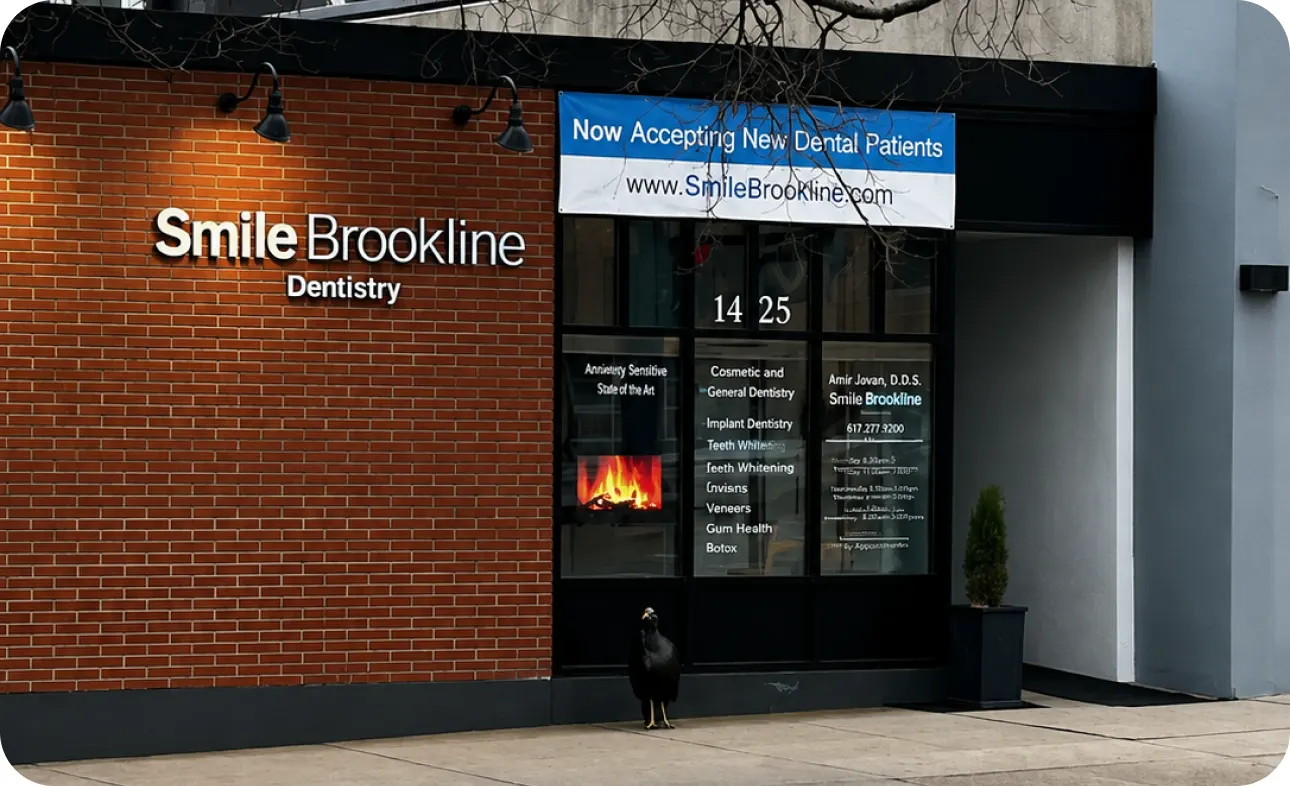
Scaling and Root Planing in Brookline, MA
- Treatment Time:
- 2 visits
- Anaesthetic:
- Local, included
- Downtime:
- 1-2 days
- Re-Evaluation:
- 6-8 weeks
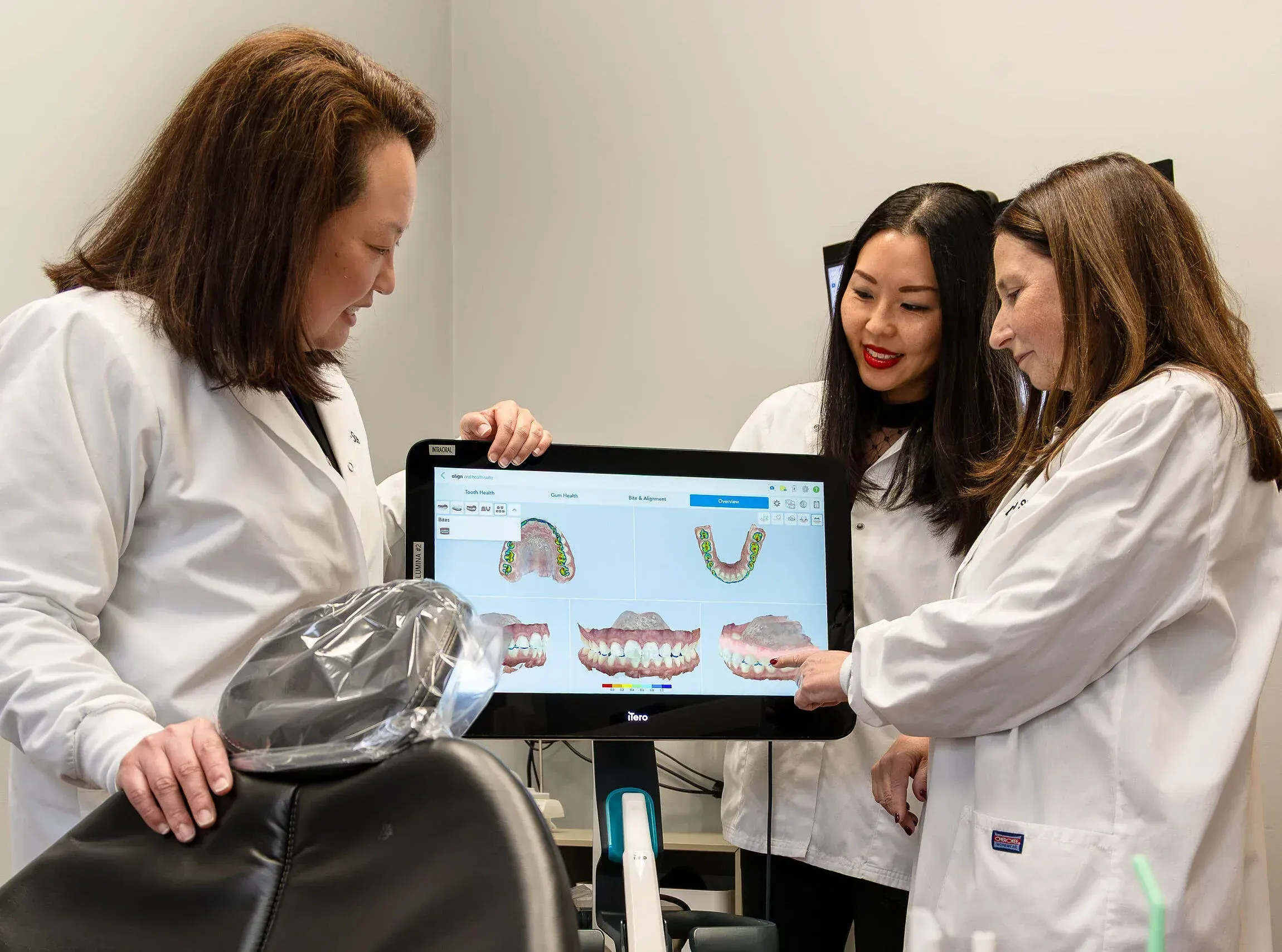
Deep Cleaning
Scaling and root planing in Brookline, MA is the deep cleaning that treats periodontal disease, removing bacterial deposits from the root surfaces inside the pocket where a routine cleaning cannot reach. We treat patients from Coolidge Corner, Brookline Village, Chestnut Hill, Newton, Allston and Brighton, usually across two appointments.
Dr. Yumi Ogata, our board-certified periodontist, oversees deep cleaning protocols at Smile Brookline alongside Dr. Sara Stock, DDS. The procedure is performed under local anaesthetic by hygienists trained specifically in subgingival instrumentation, and results are measured objectively at re-evaluation rather than assumed.
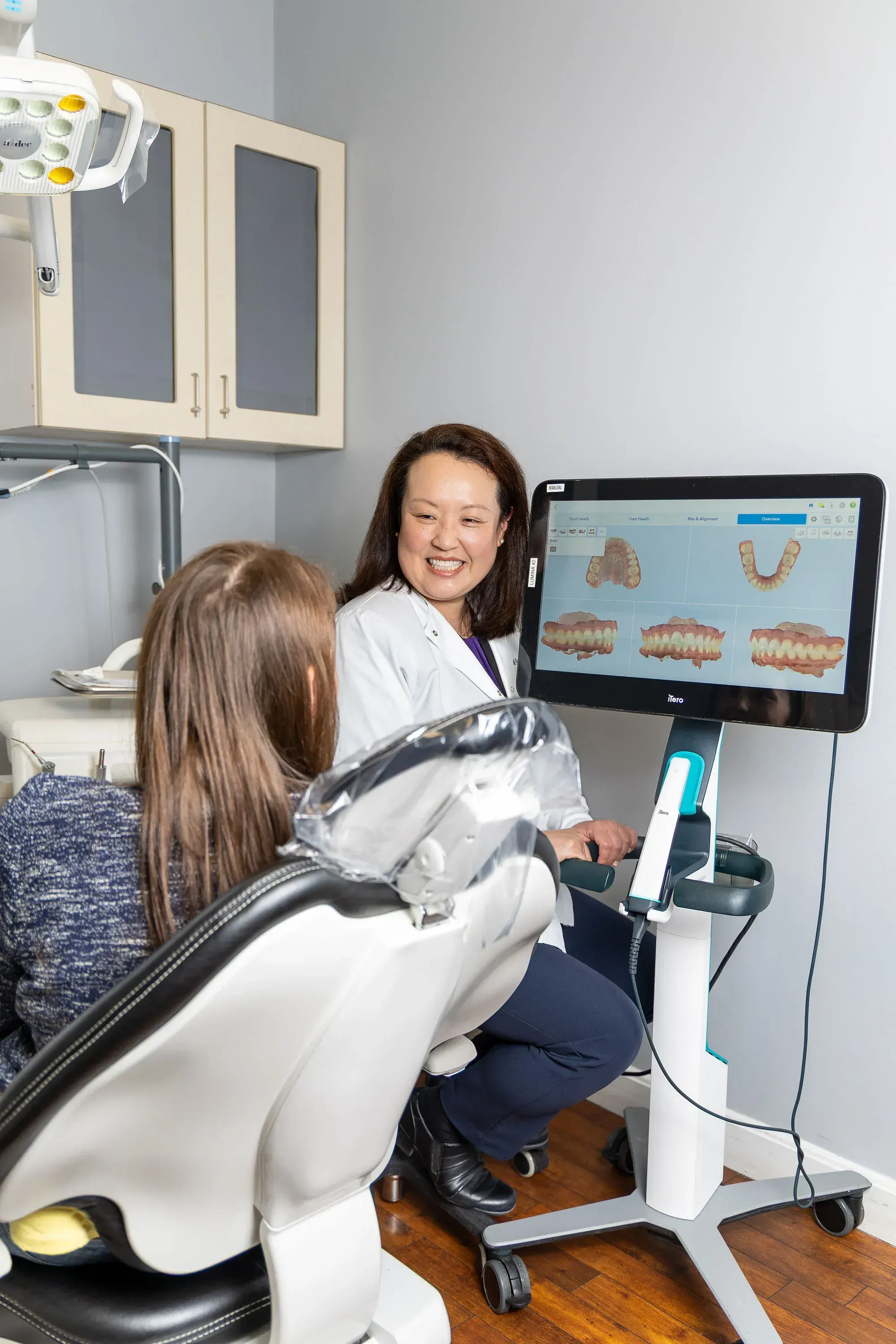
The Challenge
Why Scaling and Root Planing Is Not a Regular Cleaning
Understanding Pocket Depth
Understanding Your Treatment
What Is Scaling and Root Planing?
The Science of Subgingival Debridement
Scaling and root planing, often called deep cleaning or SRP, is the non-surgical treatment for periodontitis. Scaling removes plaque and calculus from the tooth and root surfaces below the gumline. Root planing smooths the root so that bacterial biofilm has less to adhere to and the gum tissue can reattach.
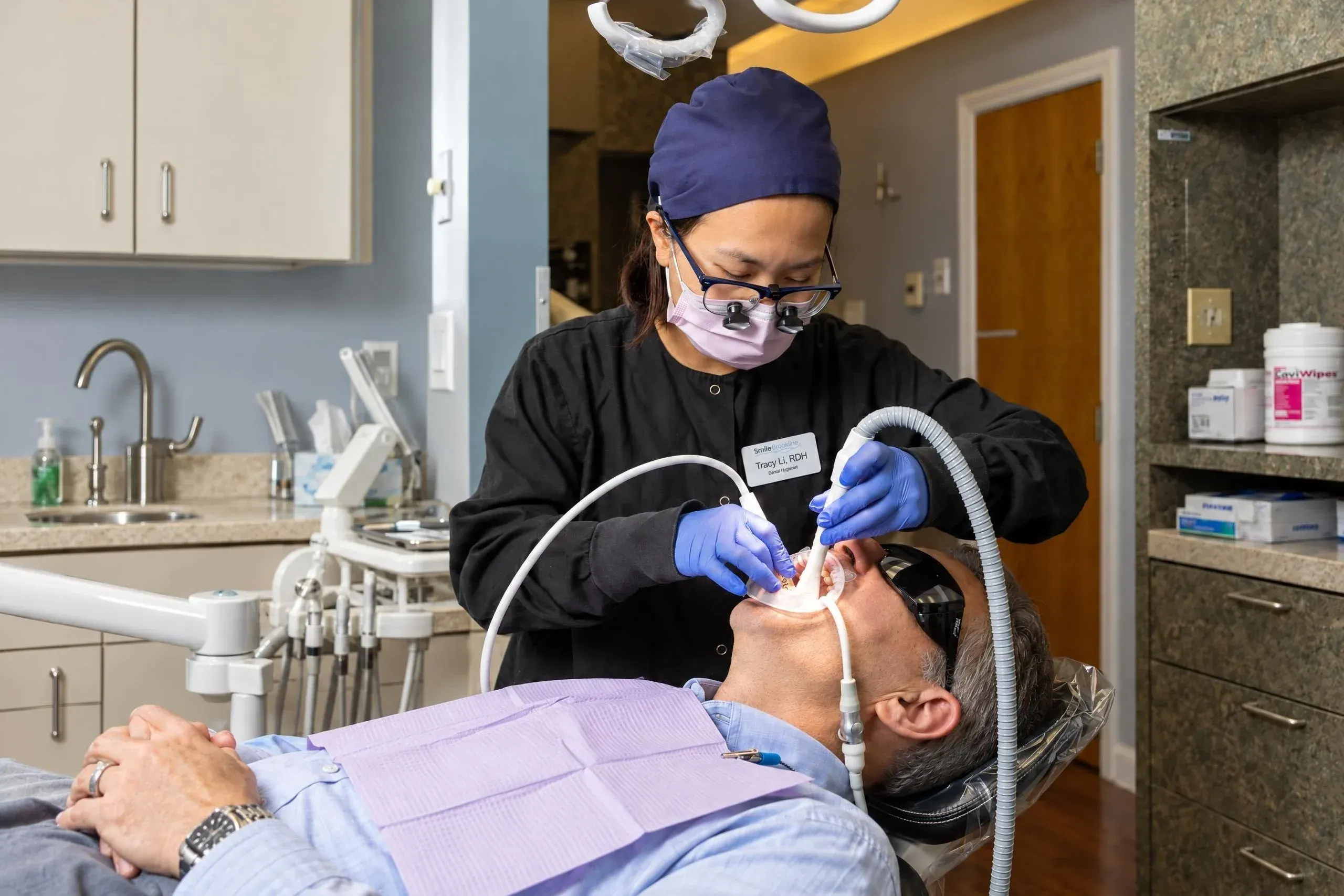
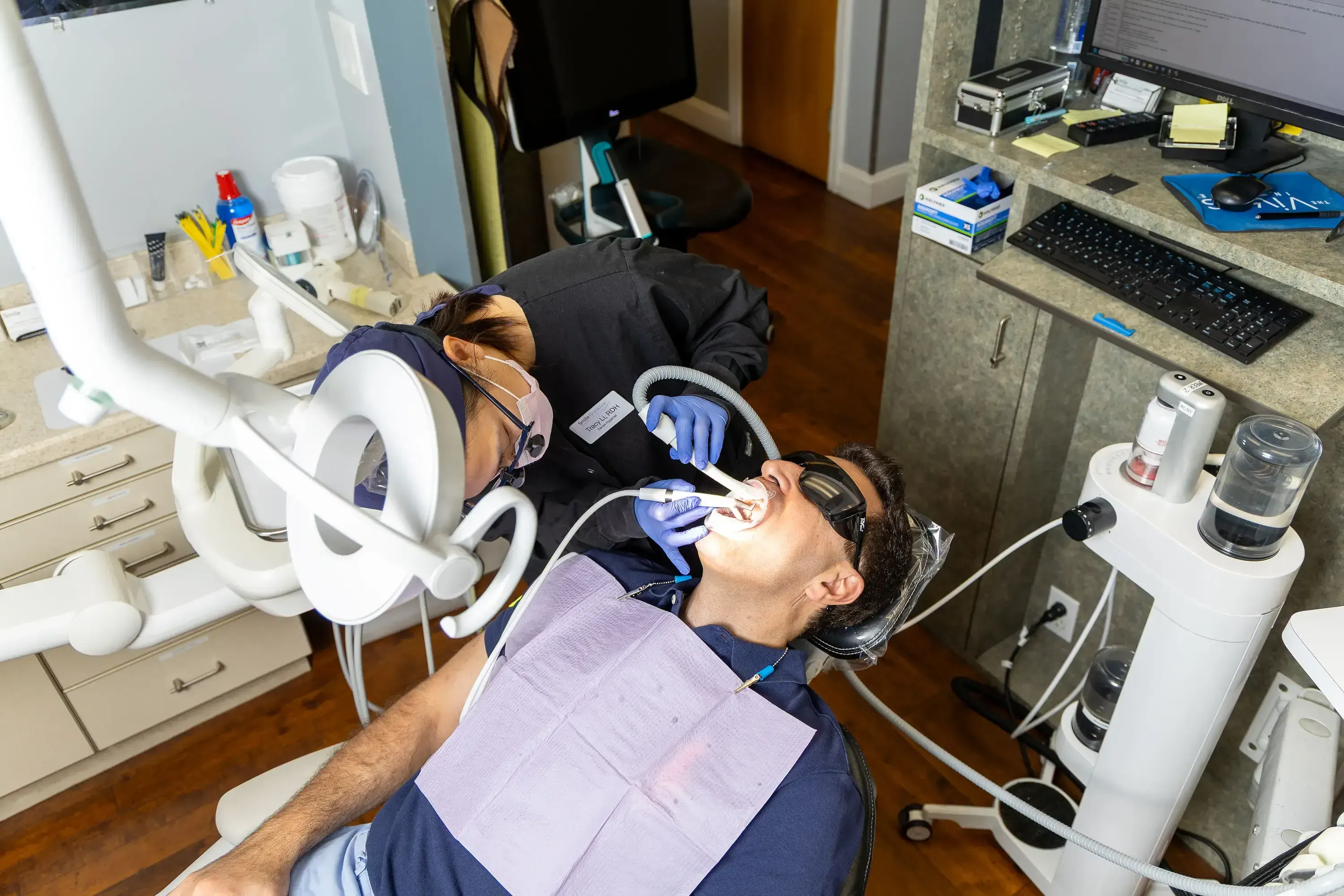
It is performed under local anaesthetic, usually treating one half or one quadrant of the mouth per appointment. Ultrasonic instruments break up deposits with vibration and irrigation, and fine hand curettes finish the root surface by feel. Pocket depths are re-measured six to eight weeks later to confirm the tissue has responded before deciding what comes next.
Treatment Timeline:
- Treatment Time:
- 60 to 90 minutes per half
- First Signs:
- 1 to 2 weeks
- Full Effect:
- 6 to 8 weeks
- Recovery:
- 1 to 2 days
What We Treat
Scaling and Root Planing Treatment Areas
What Deep Cleaning Reaches
- Periodontal Pockets
- Cleans root surfaces inside pockets of four millimetres or deeper
- Subgingival Calculus
- Removes hardened deposits a routine cleaning cannot reach
- Bleeding on Probing
- Resolves the inflammation that makes pockets bleed when measured
- Early Bone Loss
- Halts progression before surgical treatment becomes necessary
- Furcation Areas
- Addresses deposits between the roots of multi-rooted molars
- Persistent Halitosis
- Clears the anaerobic bacteria producing the odour in deep pockets
Benefits of Scaling and Root Planing
Non-surgical, and usually enough
Scaling and Root Planing vs. Alternatives
The right level of cleaning depends on pocket depth. Deep cleaning treats diagnosed disease, not general tartar buildup.
| Treatment | Mechanism | Time | Results | Duration | Downtime | Best For |
|---|---|---|---|---|---|---|
| Scaling and Root Planing | Subgingival debridement | 2 visits | 2-6 weeks | 3-4 months per cycle | 1-2 days | Pockets of 4mm or more with bone loss |
| Routine Dental Cleaning | Above-gumline prophylaxis | 45-60 min | Immediate | About 6 months | None | Healthy gums with no attachment loss |
| Periodontal Maintenance | Ongoing subgingival upkeep | 45-60 min | Immediate | 3-4 months | None | Treated patients holding a stable result |
| Periodontal Surgery | Access flap and recontouring | 60-90 min | 6-8 weeks | Long term | 5-10 days | Deep pockets remaining after SRP |
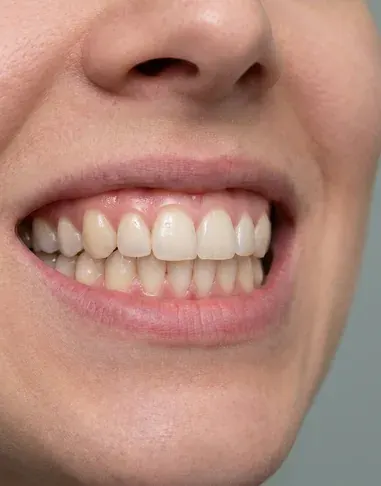




Is This Right for You
Who Is a Good Candidate for Scaling and Root Planing?
Reading the Periodontal Chart
Deep cleaning is indicated by measurements, not by appearance. If your pockets are within normal limits, you do not need it, and we will tell you so.
Ideal Candidates for Scaling and Root Planing
- Patients with pockets of four millimetres or deeper on the periodontal chart
- Anyone with radiographic bone loss around one or more teeth
- Patients with bleeding on probing across multiple sites
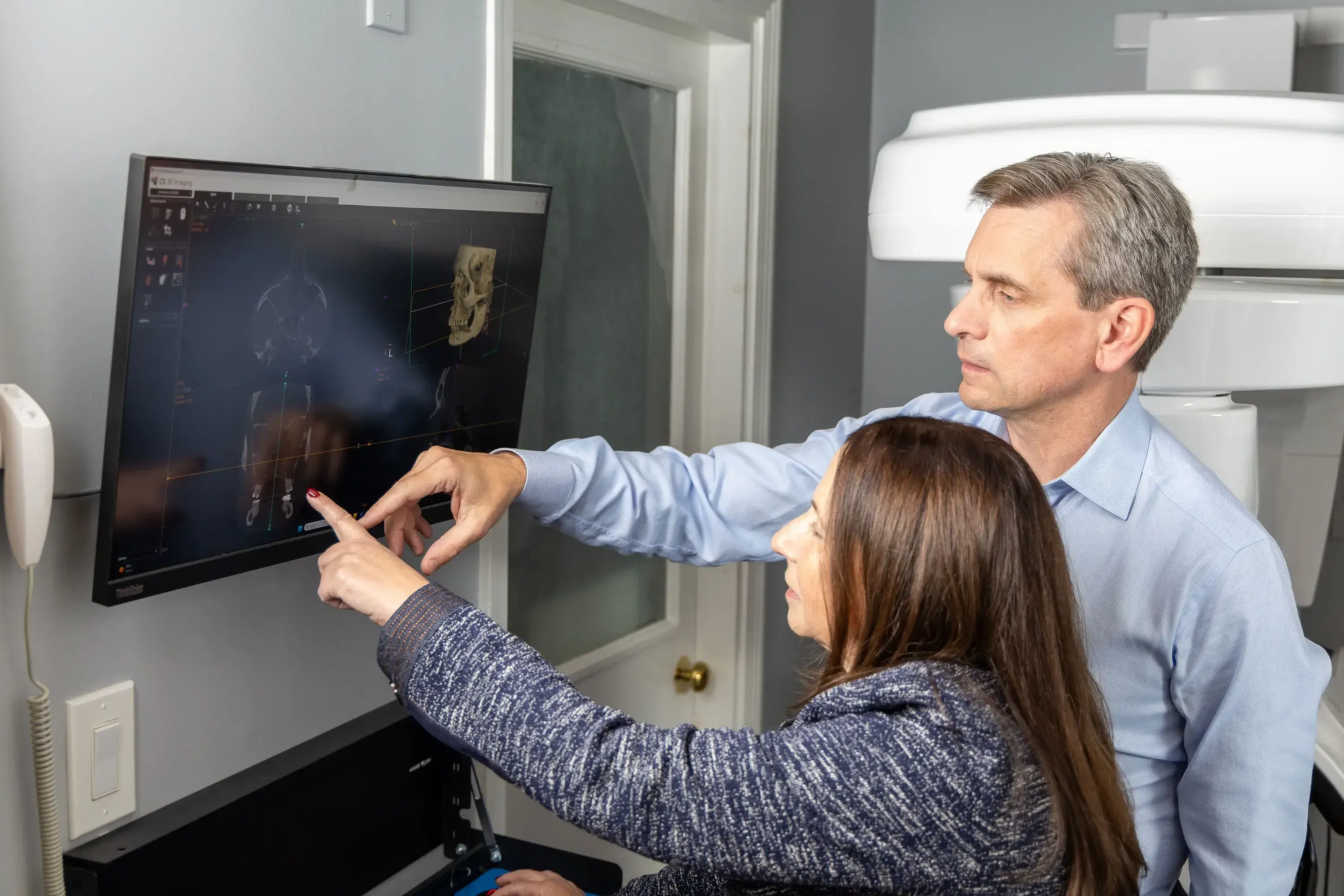
- People with visible subgingival calculus on X-ray
- Patients who have been away from dental care long enough for deposits to accumulate below the gumline
Who Does Not Need Deep Cleaning
- Patients with pockets of three millimetres or less and no bone loss, who need a routine dental cleaning instead
- Anyone with gingivitis alone, where inflammation exists without attachment loss
- Patients already stable on periodontal maintenance, unless new pockets appear
Who Needs Additional Planning
- Patients on anticoagulants or with bleeding disorders
- Anyone with specific cardiac or joint history requiring antibiotic premedication
- Patients with uncontrolled diabetes, where the response to treatment is reduced
Where pockets persist after treatment, surgical periodontal treatment is the next step. Patient information on deep cleaning is published by the National Institute of Dental and Craniofacial Research.
Your Experience
What Happens During Scaling and Root Planing Treatment
Step-by-Step Process
Charting
Six measurements per tooth confirm which sites need treatment and establish a baseline.
Anaesthetic
Local anaesthetic numbs the quadrant so instrumentation reaches the pocket base comfortably.
Scaling
Ultrasonic instruments break up subgingival calculus with vibration and irrigation.
Root Planing
Fine hand curettes smooth the root surface by feel so tissue can reattach.
Re-Evaluation
Pockets are re-measured at six to eight weeks and the maintenance interval is set.
Risks and Side Effects
What to Know
Common Deep Cleaning Side Effects
Gum tenderness for one to two days and cold sensitivity for up to two weeks are the usual experiences. Sensitivity occurs because deposits insulating exposed root surfaces have been removed, and it settles as the surface remineralises. Minor bleeding on the first evening is normal.
Expected Changes Patients Notice
As inflamed tissue tightens and shrinks to its true position, existing recession becomes more visible and small spaces can open between teeth. This is a sign of healing rather than damage, though it surprises patients who were not warned. Temporary increases in tooth mobility during early healing are also common and generally improve.
Safety and Medical History
Transient bacteraemia occurs during subgingival instrumentation and is clinically insignificant for most people, though patients with specific cardiac or prosthetic joint history need antibiotic premedication. Tell us about anticoagulants, diabetes, immunosuppression and pregnancy. Guidance on deep cleaning is published by the National Institute of Dental and Craniofacial Research.
Investment
Scaling and Root Planing Cost in Brookline
Pricing and Payment Options
How Much Does Scaling and Root Planing Cost in Brookline?
Deep cleaning is priced by quadrant, and most patients need two, three or four quadrants depending on how widespread the disease is. Nationally, scaling and root planing commonly runs $200 to $450 per quadrant. Local anaesthetic is included, and the re-evaluation appointment at six to eight weeks is part of the treatment rather than an extra. You receive a written plan after charting.
Insurance and Flexible Payment Options
Because deep cleaning treats a diagnosed disease, most dental plans cover a substantial share, usually with documentation of pocket depths and bone levels. We submit the charting with the claim to all major commercial carriers.
- Cherry - monthly payment plans, apply at pay.withcherry.com/smilebrookline
- HSA and FSA funds - accepted for periodontal therapy and maintenance
The Smile Brookline Difference
Why Choose Smile Brookline for Scaling and Root Planing in Brookline
Beacon Street Since 1992
Deep cleaning here is diagnosed from a full six-point periodontal chart and supervised by Dr. Yumi Ogata, a board-certified periodontist who teaches periodontology at Tufts. If pockets do not respond, the specialist who reviews the result already knows your case rather than starting from scratch.
Charted, Not Assumed
Six-point measurements justify the diagnosis before treatment
Periodontist Oversight
Dr. Ogata reviews cases and handles any surgical escalation
Objective Re-Evaluation
Pockets re-measured at six to eight weeks to confirm response
Comfort Prioritised
Local anaesthetic as standard, with time allowed per quadrant
Air-Polishing Available
Guided Biofilm Therapy offered where scraping feels harsh
Maintenance Recall
Three to four month reviews that hold the result long term

Explore More
Gum Disease Treatment
Stop bleeding, swelling and bone loss before you lose a tooth.
- Stops Bone Loss
- Bleeding Resolves
- Fresher Breath
Explore More
Gum Grafting
Restore receding gums and protect exposed tooth roots.
- Sensitivity Relief
- Stops Progression
- Protects the Root
Explore More
Dental Cleaning
Comfortable hygiene visits built around prevention rather than repair.
- Stops Gum Disease Early
- Fewer Fillings
- Immediate Freshness
Explore More
Guided Biofilm Therapy
Pain-free airflow cleaning that removes plaque and stains without scraping.
- Noticeably Gentler
- Safe on Restorations
- You See the Plaque
Common Questions
Frequently Asked Questions About Scaling and Root Planing
How much does scaling and root planing cost in Brookline, MA?
How long does scaling and root planing take?
Does deep cleaning hurt?
When will I see results?
How often do I need deep cleaning?
What is the difference between deep cleaning and a regular cleaning?
Can men and women of any age have deep cleaning?
Do I really need it, or is this an upsell?
Will my gums recede after deep cleaning?
What happens if deep cleaning does not work?
Get Started
Book Your Periodontal Exam
References
- Teughels W et al., J Clin Periodontol. (2020). Adjunctive effect of systemic antimicrobials in periodontitis therapy: A systematic review and meta-analysis. PMID: 31994207.
- Carvalho R et al., J Clin Periodontol. (2021). Predictors of tooth loss during long-term periodontal maintenance: An updated systematic review. PMID: 33998031.
- Heitz-Mayfield LJ et al., J Clin Periodontol. (2002). A systematic review of the effect of surgical debridement vs non-surgical debridement for the treatment of chronic periodontitis. PMID: 12787211.
- National Institute of Dental and Craniofacial Research. (2024). Detailed patient information on deep cleaning below the gumline and periodontal maintenance.