
Loose Teeth Treatment in Brookline, MA
- Common In:
- Adults 40+
- Primary Causes:
- Periodontitis, bite force
- Treatment Time:
- 1-2 visits
- Results:
- 2-8 weeks
Introduction
Find out what can still be saved

Understanding Mobility
What Causes Loose Teeth in Adults?
Recognising the Signs
Tooth mobility in an adult means the attachment holding the tooth has been compromised. A healthy tooth sits in bone, suspended by the periodontal ligament, with only a fraction of a millimetre of physiological movement that you would never notice.
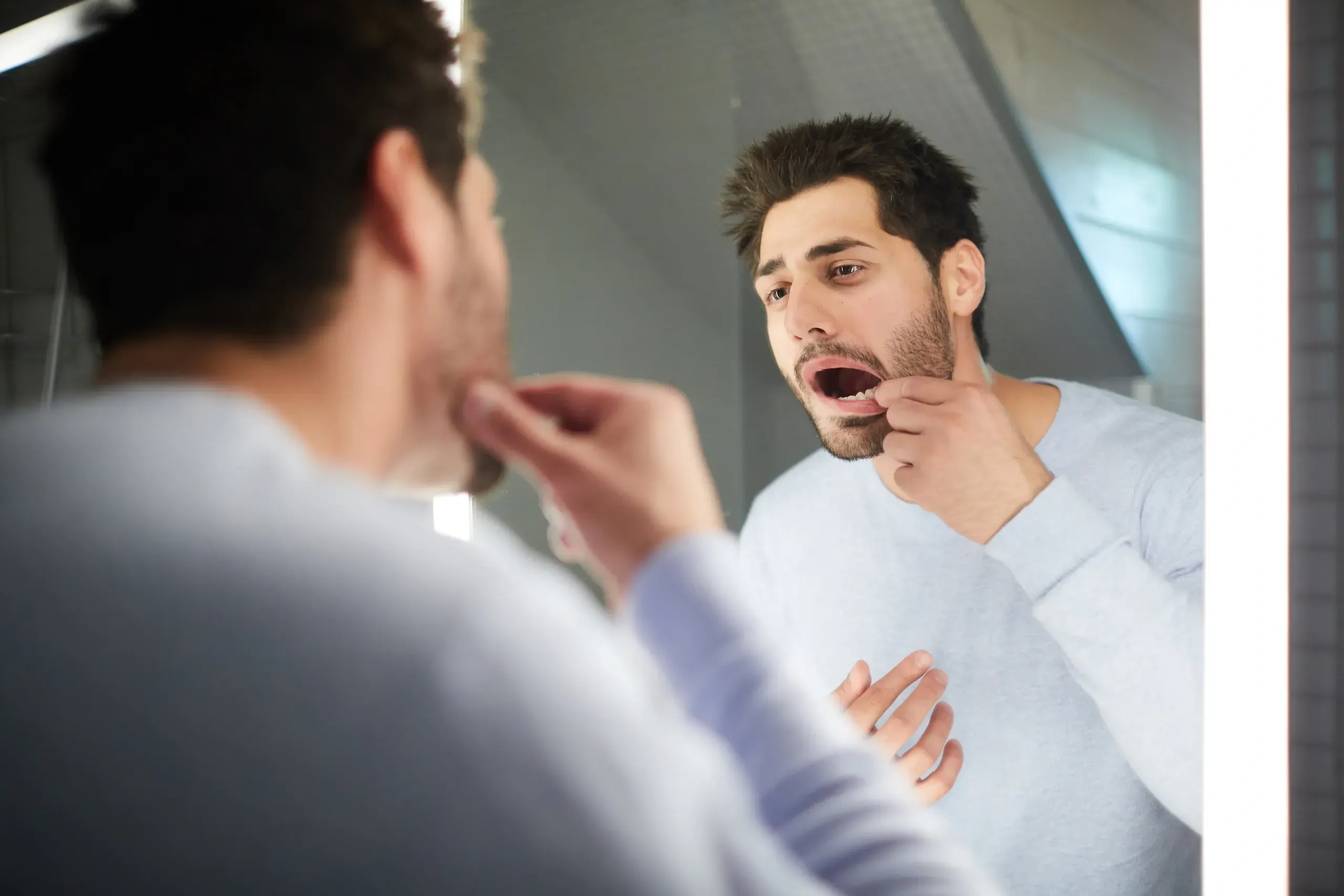
What patients notice is subtler than a wobble at first. A tooth that moves when you press it with your tongue. A bite that feels slightly different on one side. Food packing where it never used to, or a tooth that has drifted a fraction out of line.
Adult teeth do not loosen without a reason, and the reason is usually treatable if caught early enough. What is not treatable is the bone already lost, which is why the interval between noticing and being assessed matters so much.
Why Adult Teeth Become Loose
Understanding the Root Causes
01The Science
The dominant cause is periodontitis. Bacterial biofilm below the gumline provokes a chronic immune response, and that response destroys the periodontal ligament and the alveolar bone anchoring the tooth. Mobility appears once a substantial proportion of that support has already gone, which is why it is a late sign rather than an early one.
Occlusal trauma is the second mechanism. Excessive force from grinding, clenching or a high restoration widens the ligament space and increases mobility. On its own this is often reversible once the force is corrected. Combined with periodontitis, it accelerates the loss considerably.
Less commonly, mobility follows an abscess, a root fracture, or recent trauma. Prognostic frameworks used in periodontology weigh attachment loss, mobility and furcation involvement together, and gum disease treatment is where assessment begins.
02Deeper Understanding
What Determines Whether a Tooth Can Be Saved
How Prognosis Is Assessed
Prognosis depends on how much attachment remains, not on how loose the tooth feels. A tooth with sixty percent bone loss can be stable for years once the infection is controlled, while a tooth with a vertical root fracture is lost regardless of how solid it seems today.
Furcation involvement, where bone loss reaches the point at which a molar root divides, worsens the outlook because the area cannot be cleaned reliably. Long-term studies of periodontal maintenance identify which factors predict tooth loss over decades, and consistent maintenance is among the strongest protective ones.
Mobility caused purely by occlusal force behaves differently and often improves once the force is redistributed, which may involve adjusting a high contact or fitting a night guard. Distinguishing the two is the point of the examination.
Contributing Factors
What Accelerates Tooth Mobility?
Identifying Your Triggers
Several factors speed up the loss of attachment, and patients with more than one tend to progress faster than those with a single risk factor.
- Untreated Periodontitis
- Chronic infection below the gumline destroys the bone and ligament that anchor each tooth.
- Smoking
- Reduced blood flow masks bleeding, worsens attachment loss and blunts the response to treatment.
- Uncontrolled Diabetes
- Poor glycaemic control amplifies the inflammatory response and accelerates periodontal breakdown.
- Grinding and Clenching
- Excessive occlusal force widens the ligament space and compounds existing attachment loss.
- Missed Maintenance
- Long gaps between periodontal appointments allow pockets to reinfect and progress unnoticed.
- Hormonal Changes
- Pregnancy and menopause alter the inflammatory response and can worsen existing gum disease.
Is This You?
You May Be Experiencing Loose Teeth If...
Mobility is a late sign, so any of these warrant prompt assessment rather than watchful waiting.
Movement When Pressed
A tooth shifts noticeably when you push it with your tongue or finger.
A Changed Bite
Your teeth meet slightly differently, or one tooth now contacts before the others.
Gaps Opening Up
Spaces have appeared between teeth that were previously in contact.
Bleeding and Swelling
Gums bleed when brushing and look red or puffy around the mobile tooth.
A Drifting Tooth
A front tooth has moved out of alignment or flared forward over recent months.
Discomfort on Biting
Pressure on that tooth is uncomfortable in a way that has developed gradually.
Treatment Options Comparison
Compare the treatments we offer for loose teeth, from controlling the infection to planning replacement where a tooth cannot be saved.
| Treatment | Best For | Session Time | Results Timeline | Maintenance |
|---|---|---|---|---|
| Scaling and Root Planing | Moderate pockets and early mobility | 2 visits | 2-6 weeks | Every 3-4 months |
| Gum Disease Treatment | Advanced bone loss and deep pockets | 1-2 visits | 6-8 weeks | Every 3-4 months |
| Tooth Extractions | Teeth beyond saving | 20-60 min | Immediate | One-time procedure |
| Dental Implants | Replacing teeth that were lost | 3-6 months | Staged | Reviewed at recalls |
Why Smile Brookline
Why Choose Smile Brookline for Loose Teeth Care in Brookline, MA
Expert Care in Brookline
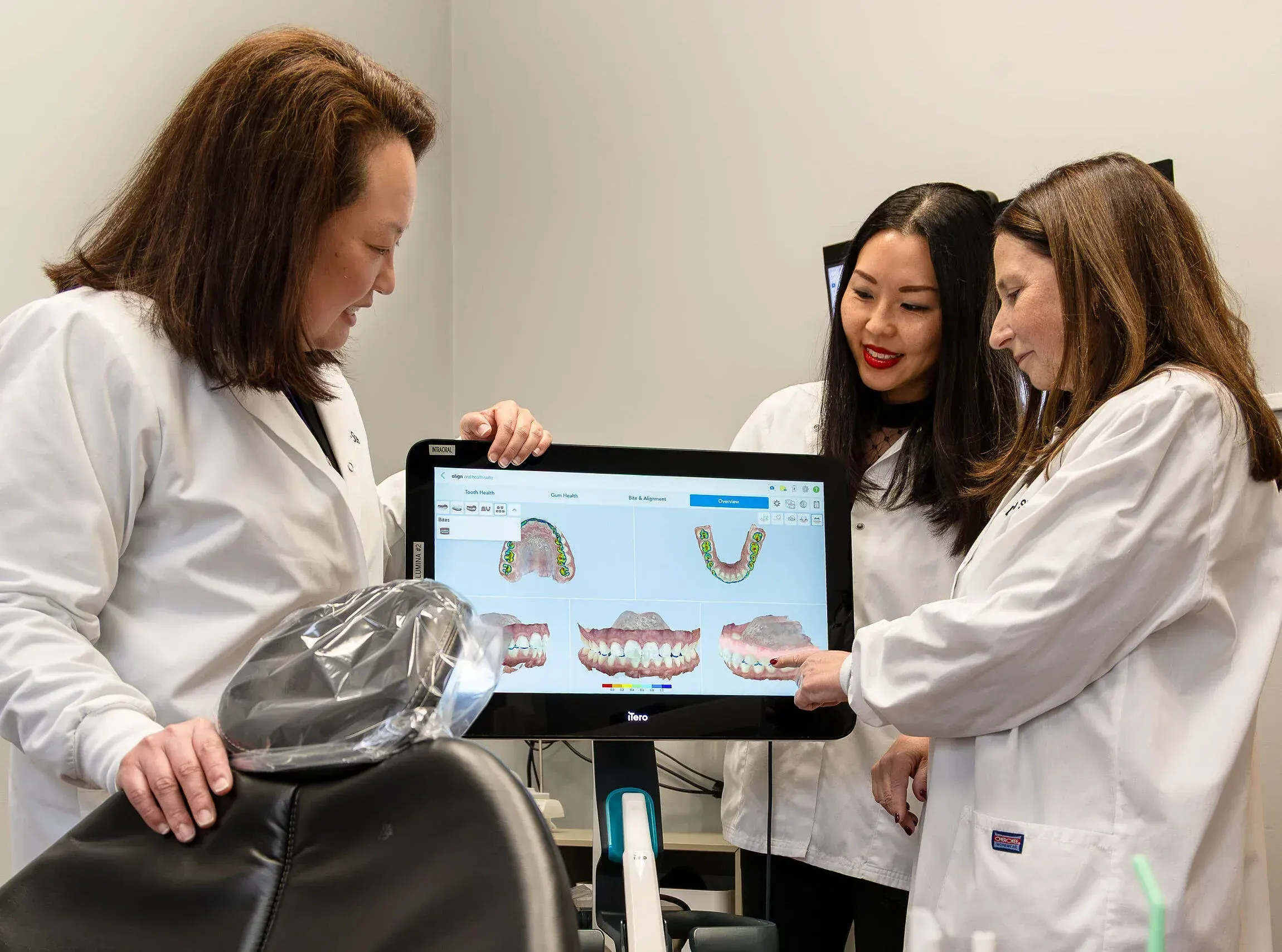
At Smile Brookline, mobility is assessed by Dr. Yumi Ogata, a board-certified periodontist and associate professor of periodontology at Tufts, who gives you a prognosis based on measurements rather than an impression.
Specialist Prognosis
A board-certified periodontist assesses attachment, furcation and mobility tooth by tooth.
Measured, Not Guessed
Six-point charting and radiographs establish exactly how much support remains.
Both Causes Checked
Infection and occlusal force are distinguished, since they need different treatment.
Honest Answers
We tell you which teeth are savable and which are not, rather than treating everything.
Grafting Done Here
Bone and connective tissue grafting are carried out in this practice, not referred out.
Seen Urgently
A tooth that loosens suddenly is given an emergency slot rather than a waiting list.


Explore More
Gum Disease Treatment
Stop bleeding, swelling and bone loss before you lose a tooth.
- Stops Bone Loss
- Bleeding Resolves
- Fresher Breath
Explore More
Scaling and Root Planing
Deep cleaning that reaches below the gumline to stop infection.
- Avoids Surgery
- Measurable Result
- Stops Attachment Loss
Explore More
Gum Grafting
Restore receding gums and protect exposed tooth roots.
- Sensitivity Relief
- Stops Progression
- Protects the Root
Explore More
Implant-Supported Dentures
Secure dentures that stay put without adhesive.
- No Adhesive Needed
- Stronger Bite
- Preserves Jawbone
Your Questions
Frequently Asked Questions
Can a loose tooth tighten up again?
How do I know which treatment is right for me?
How quickly should I be seen?
Is it normal for teeth to loosen with age?
Can grinding make my teeth loose?
What can I do at home?
Can multiple treatments be combined?
When should I worry that I will lose the tooth?
Get Started
Schedule Your Periodontal Consultation
Scientific References
- Orishko A et al., Periodontol 2000. (2024). Tooth- and implant-related prognostic factors in treatment planning. PMID: 39234949.
- Carvalho R et al., J Clin Periodontol. (2021). Predictors of tooth loss during long-term periodontal maintenance: An updated systematic review. PMID: 33998031.
- Suvan J et al., J Clin Periodontol. (2020). Subgingival instrumentation for treatment of periodontitis. A systematic review. PMID: 31889320.
- National Institute of Dental and Craniofacial Research. (2024). Overview of periodontitis, the leading cause of adult tooth mobility and tooth loss.