Children’s Sleep Apnea Treatment in Brookline, MA
Airway treatment improves your child's sleep quality and overall health!
- Ages Treated:
- 3 to 12
- Treatment Time:
- 12-24 months
- CPAP Needed:
- No
- Exam Fee:
- $195
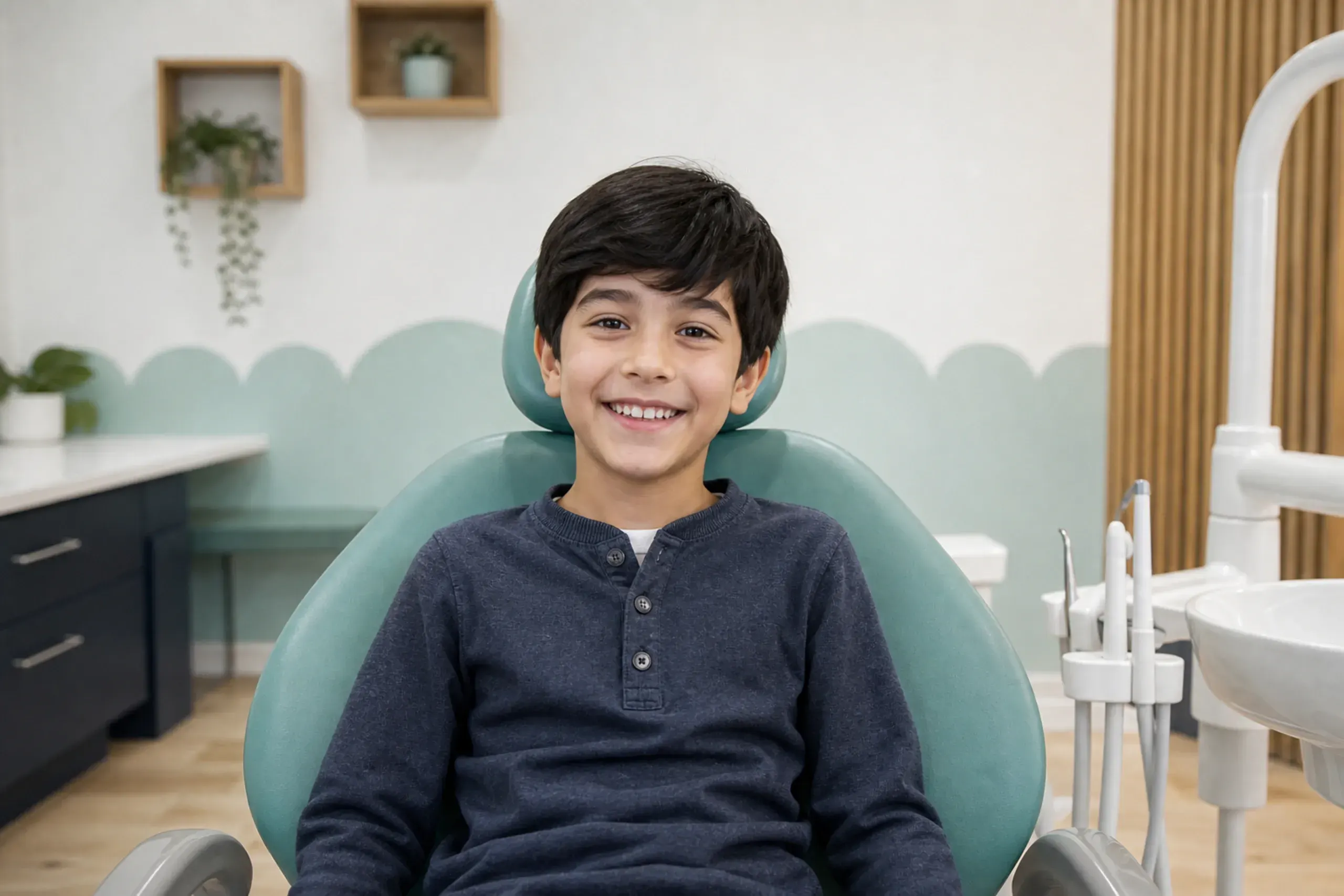
Children Ages 3 to 12
A pediatric airway dentist in Brookline, MA looks for the reason a child snores, mouth breathes or sleeps restlessly, then treats the underdeveloped jaw and narrow airway causing it rather than managing the symptoms. Families come to us from Coolidge Corner, Brookline Village, Chestnut Hill, Newton, Allston, Brighton and across Boston.
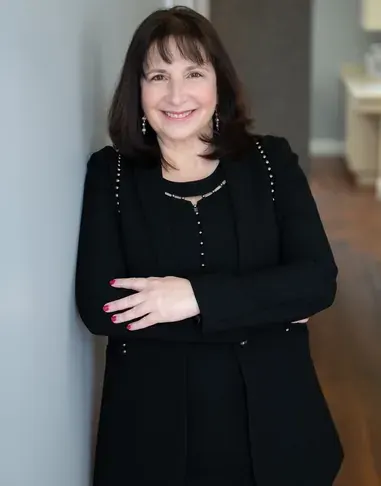
Dr. Sara Stock, DDS is a certified Vivos provider for children aged 3 to 12 and has made pediatric airway the focus of her practice. Many of the families who reach us have already been told their child is simply a restless sleeper, or have been offered a diagnosis that does not explain the dark circles, the bedwetting or the behaviour at school.

What Parents Notice
Child Breathing Problems at Night and the Airway Link
Understanding Pediatric Airway
Many parents don't realize sleep-disordered breathing and sleep apnea affects children as well as adults. In fact, even two-year-olds have been diagnosed with this troublesome sleep disorder. Left untreated, sleep-disordered breathing can impair your child's physical development and well-being.
What is Child Sleep Apnea?
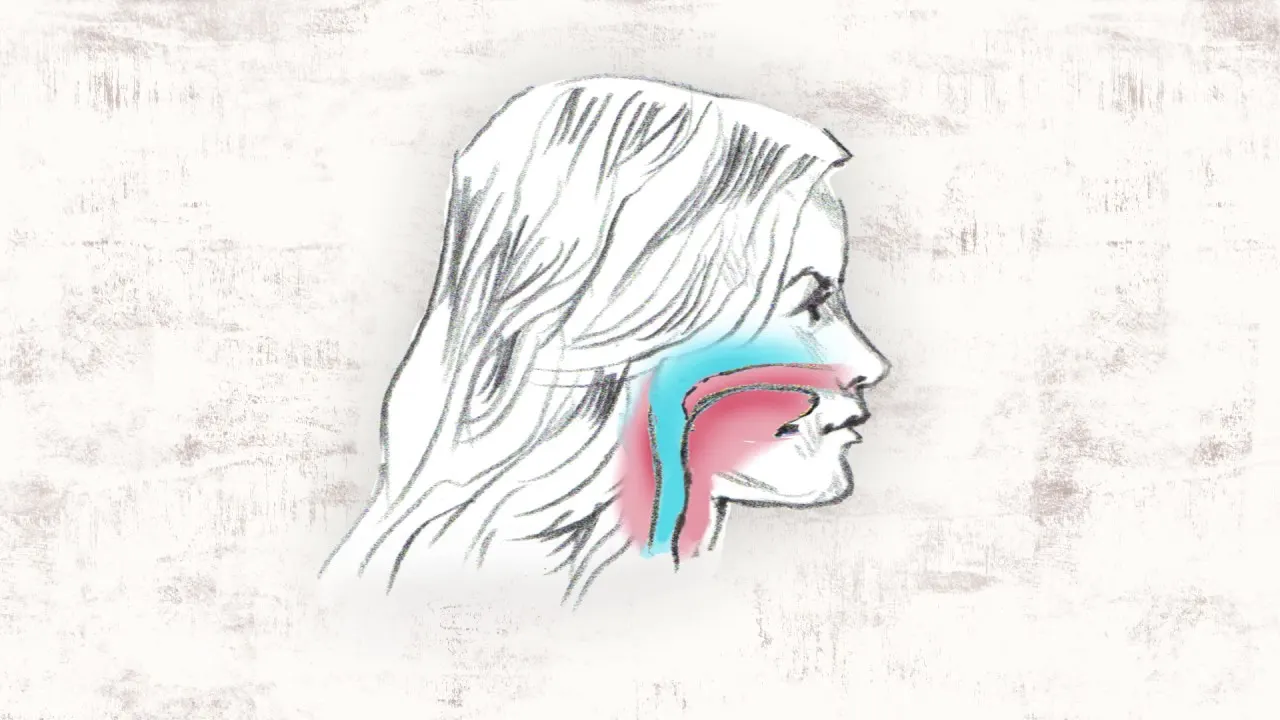
Sleep apnea refers to pauses in breathing during sleep due to a blocked airway. A child with sleep apnea could stop breathing repeatedly for seconds, as often as 20 to 30 times per hour. In severe cases, this occurs thirty times or more an hour. The brain responds by rousing the child to breathe. These continuous sleep interruptions lower your child's oxygen to unhealthy levels with negative health impacts that can carry forward into adulthood.
What is the underlying cause of sleep apnea? You may be surprised to learn it is your child's underdeveloped jaws/arches/airway that plays a major role in this condition.
Read the transcript
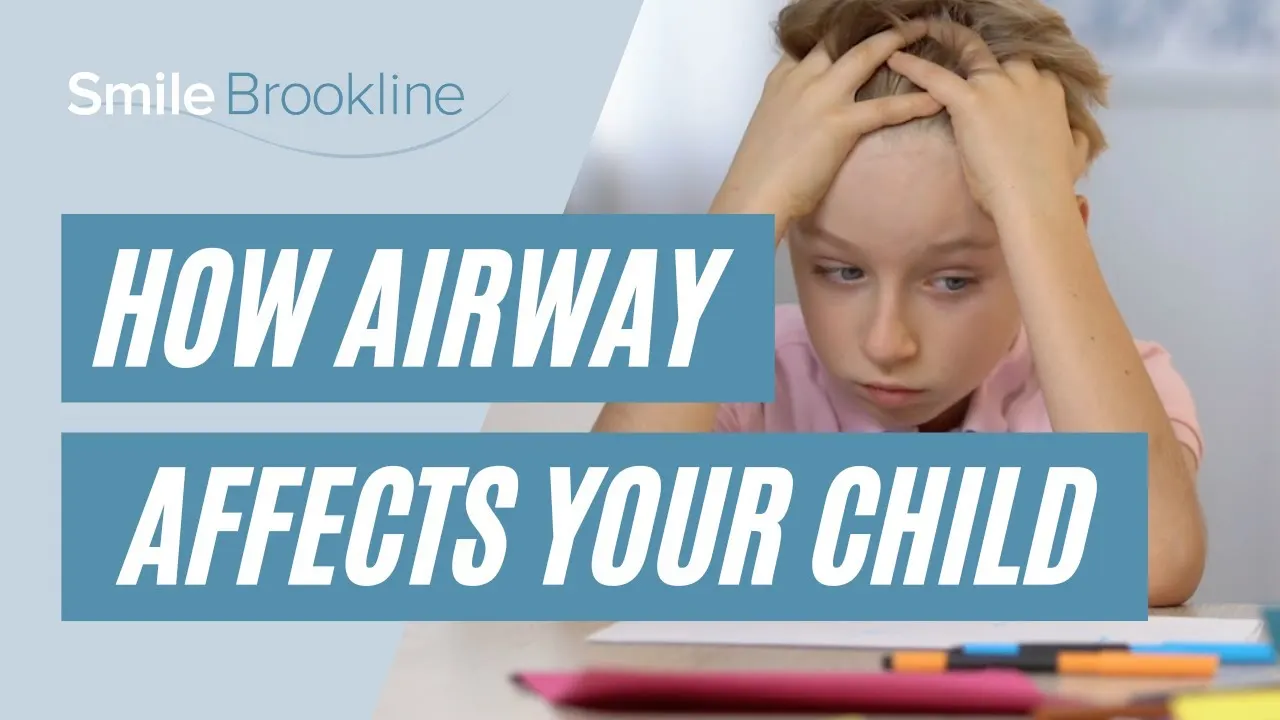
How does airway disorder present in children? What you may observe in your child is an undeveloped jaw. They may have dark circles underneath their eyes. You may get reports from the school saying they're falling asleep at the desk, that they're not performing up to their potential. They can have behavioural issues - they're just tired. And it affects the whole family.
Again, you're not talking about one or two nights of not sleeping well; you're talking about years. There might be "musical beds" in the house - I think that's a term a lot of parents can understand: the kid comes into your room and then you go to that bed, and it's because they're not sleeping well.
There might also be problems with bedwetting. If you are in a deep sleep and you're having an episode of apnea where you have stopped breathing, as an adult you may wake up and have to go to the bathroom - your body wakes you up. As a kid, it's like an emergency crisis, and so they might urinate in bed to get the child to wake up and breathe.
Read the transcript
Interviewer: Thomas, you've got an interesting story that I think backs up why you and your practice are now involved in sleep apnea - you encountered it personally with your son. Tell me a little bit about this story.
Thomas: A couple of years ago, before Covid hit, I started getting those phone calls from the school: your child's not performing up to his potential, he's being disruptive in school, he's not interacting appropriately with the other kids. And you're saying to yourself, that's not my kid. I know my kid - my kid is loving, he's sweet, he gets along with everybody. And then they say you should have your child evaluated, and you know what's coming next: your child has ADD, your child has ADHD. And you know what's coming after that - they want to put them on medications so that your child can perform up to their full potential.
Interviewer: Can I ask how old your son was when this started?
Thomas: My son's now eight. The phone calls started coming in at around age six. You want the best for them, so you follow the recommendations, but in the back of your head something's not right. What they've told you and what's happening is a disconnect from the child you know and love. But you don't know what to do, and of course you don't want your child on pharmaceuticals.
Interviewer: So that was an occurrence. What happened after that?
Thomas: About four months ago, Dr. Stock asked me to look at a video about airway and Vivos, and it was like a light went off in my head. They described my child. They talked about how children with ADD and ADHD are behaviourally identical to kids who are sleep-deprived - you put them in a room and you can't tell who's who. I went: that's my child. I wanted to talk to Dr. Stock afterwards - we've got to do this for my son.
We did the sleep test, and it was identified that he had mild sleep apnea. We digitally imaged him, so we actually see his bite in 3D. After going through the parent instructional video, it meant a couple of things. One is that his jaw was not developing, so there wasn't space for his tongue in his mouth. When he's sleeping, there's no space for the tongue, it's going backwards and he's not breathing. Because he's not getting enough oxygen, his mouth is gaping open and he's having apnea sessions - he stops breathing at night, and he's a heavy breather.
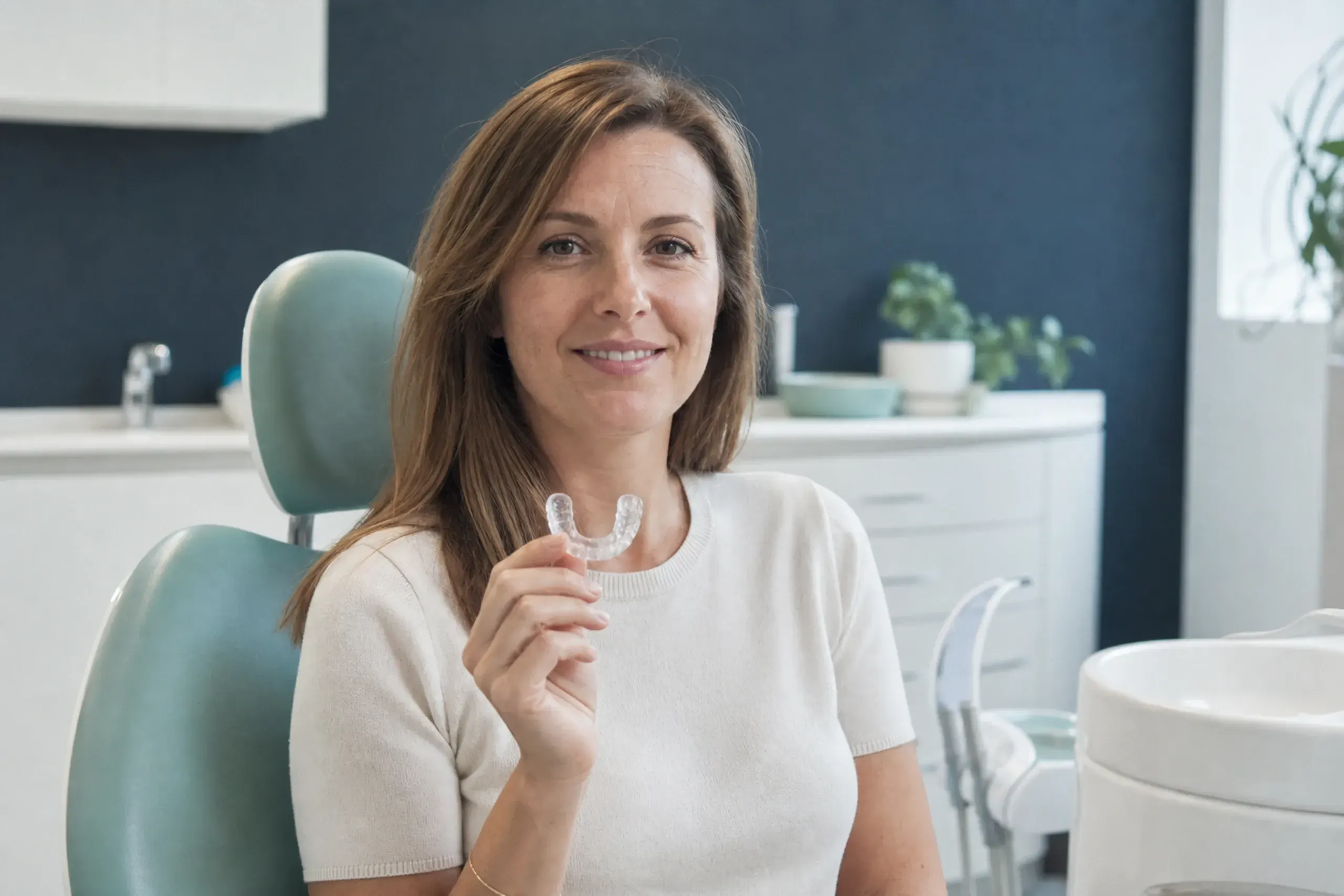
We decided to move forward with treatment, and step one was a trainer. Before you go to the sleep appliance they want you to get used to it, so your child's sleeping through the night. I told my son - I'm doing Invisalign, and prior to that for about a decade I had a night guard - "you're going to get a night guard like Daddy." He totally knew what that was, that's big-boy stuff, so he was all on board.
Interviewer: I get this picture of a football mouthpiece.
Thomas: No - it has to be big enough to help move and train the teeth, but small enough that you get your lips wrapped around it to get that seal, because you want them to be a nose breather. The first couple of nights it would go in, he'd fall asleep and it would pop out, and I'd check on him. By night seven he was sealing his lips and holding it the whole night. He adapted, in my opinion, very quickly.
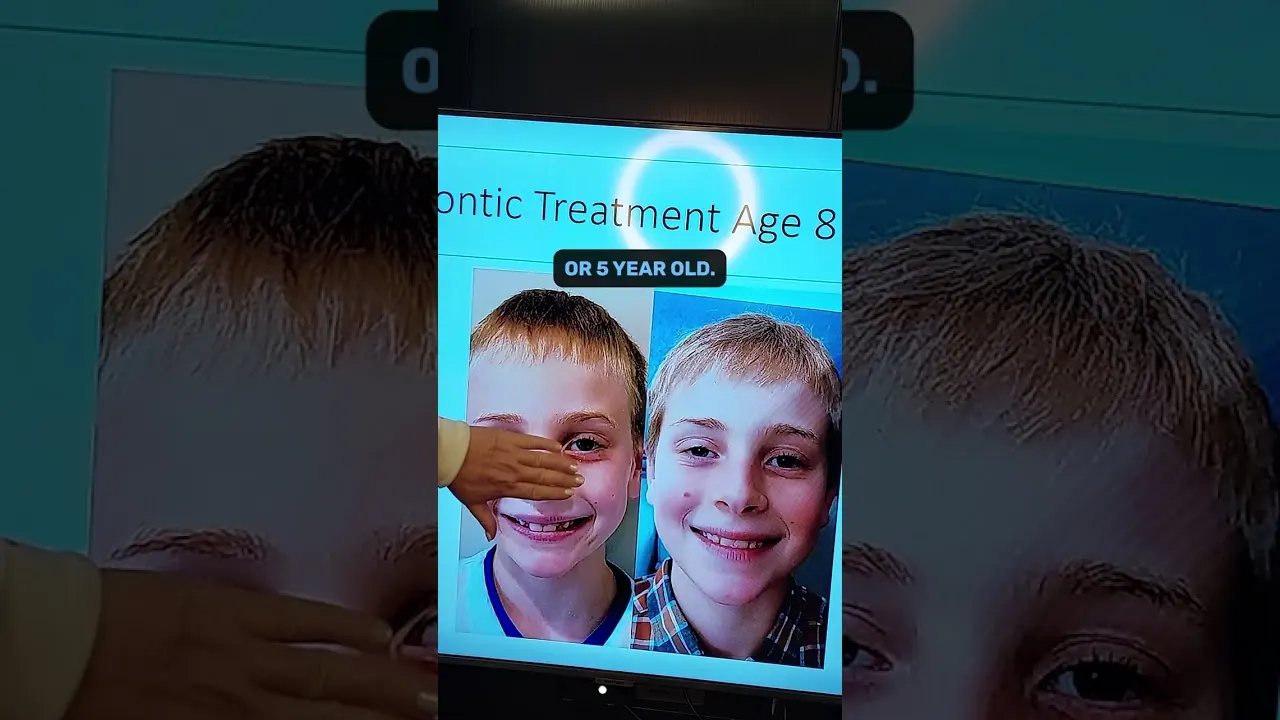
On day nine he went back into the office and Dr. Stock and her team did another scan, and we were able to see the difference in the strike points of his teeth. Before treatment there were all these spots that were red - all I can tell you is red's bad. After nine days of treatment the number of red spots where the teeth were hitting was reduced by half. That's only nine days with a trainer. Trainers are usually about three months, and we're capping out at that point, so now he's getting ready for his first appliance.
Interviewer: Now that you're involved in dentistry and in sleep apnea, what are you hoping to achieve with your own son?
Thomas: One of the benefits I'm hoping for - it's not a guarantee, but I'm very optimistic - is that maybe he'll be able to come off the medication. That would be a personal win for him and for me. The big thing is, if you're having apnea and you're not sleeping deeply at night, you're not storing information, and if you're not storing information you're not learning. I want my son to flourish, to perform well, to be a superstar in school - friends, teachers, relationships, academically. None of that can be achieved without quality sleep.
Interviewer: If you're half asleep, you're not at your best anywhere in life.
Thomas: Sleep - airway, quality sleep - is a chronic problem in this country, and the good news is it's solvable.
Interviewer: Tell me about other symptoms. Say I'm a parent - what am I going to see?
Thomas: Obviously dark circles. Allergies. Adenoids and tonsils. You take your child to the pediatrician for the annual exam - ears, nose, throat - and they say little Jimmy's or little Sally's adenoids or tonsils are inflamed, we need to monitor that, or maybe they need to come out because they're impacting the airway. But why is that happening? It's because the mouth is open, the air is not being filtered, it's going down the throat and inflaming it, which also causes problems with allergies. Dry, cracked lips would be another indicator. Falling asleep during the day. School performance - not performing up to their potential.
Another one, which I find fascinating and is sort of the unspoken fact, is bedwetting. I'm not talking about two- or three-year-olds learning to manage themselves - I'm talking about eight-, nine-, ten-, eleven-, twelve-year-olds wetting the bed. While the child is sleeping they're having a sleep apnea event: they're not breathing, and the body's saying wake up, alarm bells are going off, but the child's not breathing. So what does the body do? It urinates as a way to stimulate them, to wake them up so they can get that breath of air. It's a survival tactic.
There's a whole slew of things - anxiety, depression - that all get triggered by airway: restorative sleep, deep sleep, quality sleep.
Interviewer: Even for us - how do you deal with life when you have insufficient sleep? You're more easily triggered, anxiety, stress, general tension. Everything you're saying makes sense.
Thomas: If you're not getting enough sleep, how do you manage and regulate your own emotions? You don't have the capacity, because you're struggling moment to moment just being awake. If you don't have that restorative sleep at night, you're not waking up refreshed with good control over all the elements of your body, including your emotions. So how can you deal with the world around you and be master and commander of your own life, if your life is controlling you?
Interviewer: Best wishes and luck on this treatment. It sounds like you've found some gold here. I'm very interested to hear the results - we'll have another discussion later on.
Thomas: I'm very excited about the results also.
What is Sleep Disordered Breathing?
Sleep disordered breathing is an umbrella term for conditions that negatively impact your child's ability to breathe while asleep. One of the most common types of disordered breathing is sleep apnea, in which your child will abruptly stop breathing repeatedly throughout the night. This interferes with their sleep because their body feels as though it is suffocating, causing them to wake up many times during the night to get air.
Because your child is not getting enough deep, restful sleep that their growing body needs, they can start to develop physical and emotional troubles such as:
- Exhaustion during the day
- Trouble focusing on schoolwork
- Headaches in the morning
- Irritability, anxiety or depression
- Sudden mood swings
- Behavioral problems similar to ADHD, such as hyperactivity, rebelliousness and impulsiveness
- Delayed physical growth
Read the transcript
Interviewer: I hear they've done studies now that show that with some kids who have been diagnosed with ADD and ADHD, there are links showing this might not only or solely be the case - it might be nutrition, and now sleep apnea. Tell me about the sleep apnea part.
Dr. Stock: In children it's called sleep-disordered breathing. If they are not sleeping well and they're not breathing well, they're not having the restorative sleep they need to be able to go to school and function well. There have been studies that put children who have ADD and children who are sleep-deprived in the same room, and they can't tell the kids apart - the symptoms are the same. That's not to say that every kid with ADD has sleep-disordered breathing. But there have also been studies that show, as you improve their airway and they're sleeping better, they are functioning better, and some kids are able to be weaned off the medication.
Interviewer: That's a big deal, because if you're then medicating a child for those things, and that's not the problem, the problem isn't going away.
Dr. Stock: Exactly.
Western Diet and the Effects on Narrow Jaws and Airways
Modern soft, processed diets ask far less of a child's jaws than the foods we evolved to chew, and jaws that are not worked do not grow to their full width. The video below explains how diet shapes jaw development, and why narrower jaws mean narrower airways.

Read the transcript
Interviewer: Dr. Stock, you mentioned that this underdeveloped-jaw situation - resulting in a narrow jaw, resulting in sleep apnea because you're not getting enough air and there's not enough room for the tongue - that the cause goes back to a Western diet. Touch on this a bit.
Dr. Stock: Some of the first solid foods we give are strained peas and mush, and so the child isn't working their muscles the way they would if they were eating beef jerky or hard foods. It's the muscles that make the jaw grow, and the majority of that growth is happening before age eight. So it's a really important issue.
Interviewer: Because of that there's a lack of stimulation for natural development. So now we're stuck in a situation where we have a narrow jaw. Is Vivos treatment for kids, is it for adults - when do you do it, how do you do it?
Dr. Stock: There are two appliances. You have the DNA appliance, which is for adults, though you can use it for teens. Then you have the Guides, which are for children. The Guides are removable appliances that the child wears at night, and over time they're monitored, so they get a bigger and bigger appliance and we're able to guide their growth - so that either they don't need braces, or they need less time in braces. We're starting earlier: ideally you're starting at four or five and you're trying to guide this growth.
If a child has a really deep overbite, they may have large tonsils, they're breathing through their mouth, they're not sleeping well - they might have sleep-disordered breathing. A child who snores is an adult who snores. A child who grinds is an adult who grinds, and the grinding is your body fighting to breathe. That's one of the signs.
Understanding Your Treatment
What Is Pediatric Airway Treatment?
The Science of Guided Development
Pediatric airway treatment addresses sleep-disordered breathing in children, a spectrum that runs from habitual snoring to obstructive sleep apnea in toddlers and older children. Rather than managing symptoms nightly, it targets the underlying anatomy: a narrow upper arch, a low tongue posture, restricted nasal breathing and jaws that have not developed to their full width. It is the pediatric side of airway dentistry at Smile Brookline.
Vivos oral appliance therapy for children aged 3 to 12 guides the growing upper jaw wider using a removable appliance worn mainly at night. As the arch develops, the nasal airway and the space available to the tongue increase. Because it works with growth rather than against it, this window in childhood does not stay open indefinitely.
Treatment Timeline:
- Treatment Time:
- 12 to 24 months
- First Signs:
- 2 to 3 months
- Full Effect:
- End of treatment
- Recovery:
- None
Dr. Sara Stock DDS and her Airway & Sleep Dental Team treat mild-to-moderate sleep apnea, snoring, and sleep-disordered breathing using Vivos oral appliance therapy (OAT) in both adults and children. OAT addresses the root cause of sleep-disordered breathing, narrow dental arches and/or underdeveloped jaws. Archway (jaw) expansion increase airway and sinus capacity, which improves your sleep quality, as well as your overall health and wellness.
Dr. Sara Stock and her Airway & Sleep Dental Team work with children who struggle to breathe when they sleep by using a system of orthodontic appliances and therapies. These treatments will help the upper and lower jaws to develop and reshape the oral cavity to its naturally intended state and size. As these areas develop the child's airway will widen and expand, allowing the child to breathe better, and some of these symptoms may lessen or disappear. When children can breathe properly, they can begin to grow, learn, and flourish into their full potential.
Prevention with Vivos Guides
The Vivos® System includes specific preventative treatment protocols for children who demonstrate early signs such as crooked or crowded teeth using a series of Vivos Guides.
The Vivos® Guides are made to work with your child's natural growth cycles, guiding and promoting their growth in the right direction. This leads to better development of their jaws, airway, and facial symmetry. The Vivos® Guides are registered with the FDA as Class I devices for orthodontic tooth positioning.
With Dr. Stock's guidance, your child can start to address the underlying causes of sleep disordered breathing with the Vivos oral appliance. This revolutionary treatment method is a non-invasive, non-surgical solution to address issues like snoring and sleep apnea. The Vivos appliance can help your child:
- Get better quality sleep
- Improve their physical health
- Be able to focus better in school
- Improve their emotional wellbeing
At your child's examination, Dr. Stock will get the full picture of their oral health with diagnostic imaging. This will help her to see the shape and positions of your child's jawbones and teeth. If the Vivos appliance can address your child's needs, Dr. Stock will create a customized treatment plan to reduce their disordered breathing symptoms. When you help your child follow their treatment plan, as directed, you can help them improve their quality of sleep and overall health.
Oral appliance therapy enables:
- Deeper sleep
- Better tooth eruption patterns
- Easier swallowing
- A wider airway for breathing
What We Treat
Pediatric Airway Treatment Areas
Signs Parents Bring Us
- Snoring in Children
- Addresses habitual snoring that is not normal at any age
- Mouth Breathing
- Treats the narrow arch that keeps a child breathing through the mouth
- Restless Sleep
- Reduces the tossing, sweating and unusual sleeping positions
- Crowded Teeth
- Creates arch width so adult teeth have somewhere to erupt
- Daytime Behaviour
- Supports focus and mood that fragmented sleep undermines
- Tongue-Tie
- Evaluated in house as part of the airway and growth assessment
Conditions related to Sleep Apnea in Children
Child sleep apnea and their related symptoms and conditions can be confusing to sort out:
- Crowded or crooked teeth
- Dark circles under their eyes
- Snoring - see snoring treatment for children and adults
- Wetting the bed
- Mouth-breathing when awake and/or asleep
- Pauses in breathing during sleep
- Gasping during sleep
- Restless sleep
- Nightmares
- Trouble waking up in the morning
- Daytime fatigue/or sleepiness
- Underweight or stunted growth
- ADD/ADHD
- Poor or confused reasoning
- Behavioral problems/or aggression
- Trouble at school
- Poor scholastic performance
- Weight issues
- Severe allergies
- Swollen tonsils and adenoids
- Frequent headaches
- Chronically ill
Benefits of Pediatric Airway Treatment
Treating cause, not symptom
Child CPAP Alternatives: Exploring Effective Solutions
Parents are usually offered surgery, a CPAP machine, or watchful waiting. Guided development is a fourth option worth understanding.
| Treatment | Mechanism | Time | Results | Duration | Downtime | Best For |
|---|---|---|---|---|---|---|
| Vivos Oral Appliance Therapy | Guides jaw and arch development | 12-24 months | 2-3 months | Aims to be lasting | None | Children aged 3 to 12 with a narrow arch |
| Pediatric CPAP Machine | Pressurised airflow via a mask | Ongoing nightly | First nights | While worn | None | Moderate to severe apnea, often post-surgical |
| Adenotonsillectomy | Surgical removal of tissue | Single surgery | 2-4 weeks | Often lasting | 1-2 weeks | Enlarged tonsils or adenoids obstructing the airway |
| Watchful Waiting | Monitoring without treatment | Ongoing | None | Not applicable | None | Mild, non-progressive cases under review |
Is This Right for Your Child
Which Children Benefit From Pediatric Airway Treatment?
Recognising the Signs at Home
The children who benefit most are the ones whose sleep is disturbed and whose jaws are still growing. Age matters, because guided development works with growth that is still happening.
Book an Airway Exam If Your Child
- Snores habitually, at any age, including toddlers and babies
- Sleeps with an open mouth or has visibly dry lips in the morning
- Is restless at night, sweats heavily or sleeps in unusual positions
- Has dark circles under the eyes, wets the bed, or wakes unrefreshed
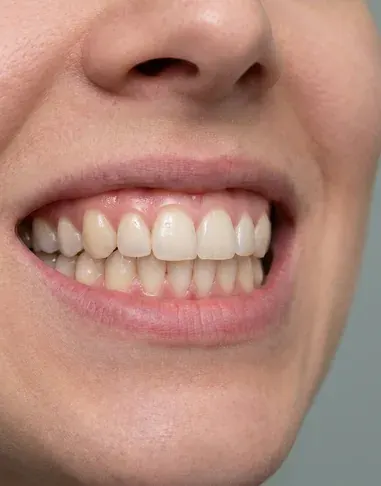
- Has crowded teeth, a narrow upper arch or a recessed lower jaw
- Has been described as inattentive, irritable or hyperactive at school
When Another Route Comes First
- Children with markedly enlarged tonsils or adenoids, who need an ENT assessment first
- Any child with witnessed pauses in breathing, who needs a medical sleep evaluation
- Children with craniofacial syndromes or neuromuscular conditions, managed with their specialist team
- Adults, who are treated through our adult sleep apnea treatment pathway
Tongue-Tie Evaluation
Myofunctional Therapy by Referral
Retraining tongue posture and nasal breathing is what makes structural change hold. We refer to MyoSync, a Vivos-aligned telehealth service, so families can complete the exercises from home rather than adding another weekly appointment.
Parent guidance on children's airway, ear, nose and throat conditions is published by the American Academy of Pediatrics. Note that child sleep studies are no longer offered at this practice.
Signs of Problems in Oral-Facial Health
-
While your child is sitting (watching TV or in the car) does he or she:
- Put things in his mouth?
- Suck her lips?
- Have an open mouth, even if only a little?
- Have his tongue between his teeth?
- Rest her face on her hand?
- Breathe through his mouth?
- Have a hard time sitting still?
-
While your child is sleeping does he or she:
- Sleep with her mouth open?
- Snore?
- Wet the bed?
- Toss and turn?
- Stretch his head backwards?
- Wake up frequently?
- Have nightmares?
- Grind their teeth?
- Have trouble waking up?
- Have dark circles under their eyes?
- Wake up drooling or with dry saliva on their face?
-
While your child eats does he or she:
- Eat with an open mouth?
- Stop to breathe through the mouth between mouthfuls?
- Stick her tongue out when swallowing?
- Stick his tongue out when drinking?
- Drink a lot of liquids with their food?
- Make a lot of noise when chewing?
- Take a breath when drinking?
- Tighten his lips when swallowing?
- Wrinkle her chin when swallowing?
- Tilt his head when swallowing?
-
While your child speaks does he or she:
- Talk too fast?
- Talk too slowly?
- Lisp?
- Do the lips only rarely come in contact during speech?
Note: ideally, lips should touch between each word.
Your Experience
What Happens During Pediatric Airway Treatment
Step-by-Step Process
Airway Exam
Dr. Stock assesses arch width, tongue posture, nasal breathing, tonsils and bite in a $195 exam.
Discussion
We go through what you have observed at home and how it connects to the anatomy we found.
Appliance Fitting
A Vivos appliance is scanned and fitted, with wear instructions given to child and parent.
Guided Development
The arch develops over twelve to twenty-four months with reviews every few months.
Myofunctional Support
MyoSync telehealth therapy retrains tongue posture and nasal breathing alongside treatment.
Risks and Side Effects
What to Know
Common Side Effects in Children
Mild tooth or jaw soreness in the first week of appliance wear is normal, along with increased salivation and a period of getting used to speaking with the appliance in. Most children adapt within one to two weeks.
What Treatment Cannot Do
Guided arch development does not remove enlarged tonsils or adenoids, and where those are the primary obstruction, an ENT assessment is the correct first step. Appliance therapy depends entirely on consistent wear, and results are limited when a child will not tolerate it. Bite changes during treatment are expected and monitored, and occasionally further orthodontic work is needed afterwards.
Safety and Medical Coordination
Sleep-disordered breathing in children is a medical issue as well as a dental one. Any child with witnessed pauses in breathing should have a medical sleep evaluation, and we coordinate with your pediatrician or ENT rather than working around them. Child sleep studies are not offered here. Parent guidance is published by the American Academy of Pediatrics.
Patient Stories
Real Results, in Parents' Own Words
-
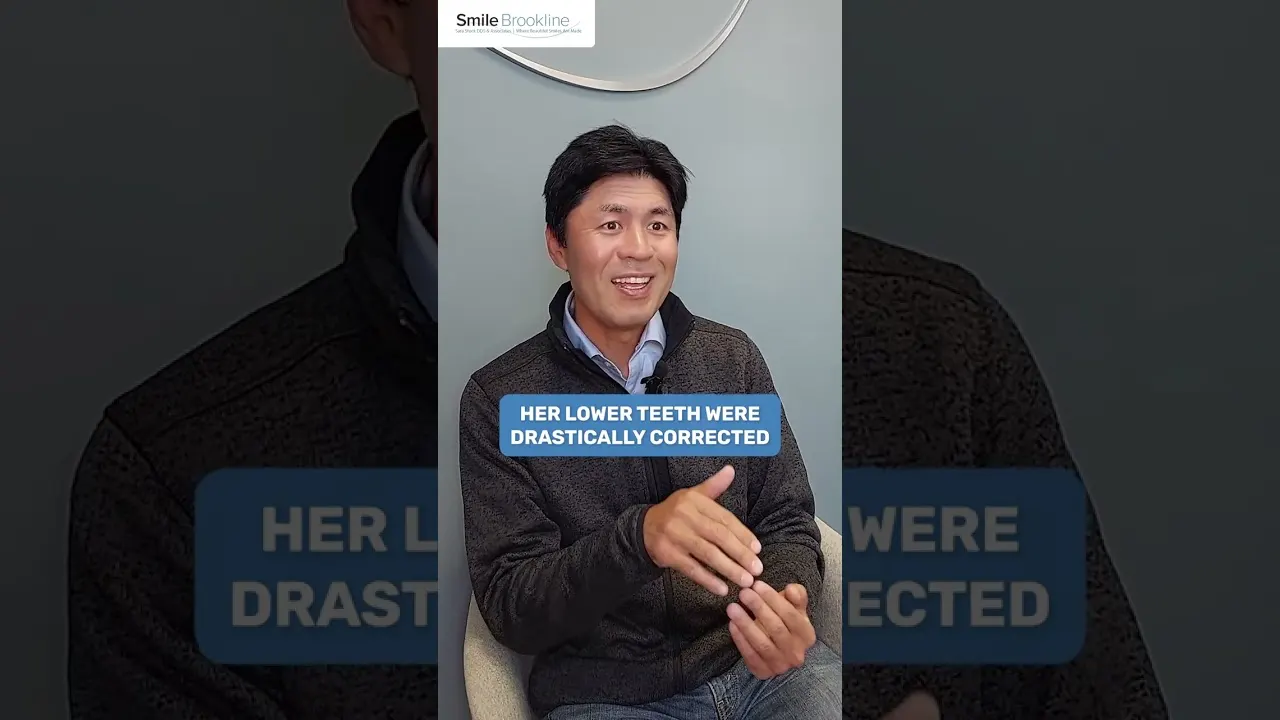
How Smile Brookline Helped Shozo's Daughter Breathe and Smile Better
Worried that braces might impact his 10-year-old daughter's confidence, Shozo turned to Smile Brookline for an alternative. In this touching testimonial, he shares how Dr. Stock recommended a discreet oral sleep appliance that corrected her airway and alignment issues, without anyone knowing she was in treatment. After just 8 months, her breathing improved, and her smile is now perfectly natural. A story of care, confidence, and quiet transformation.
-
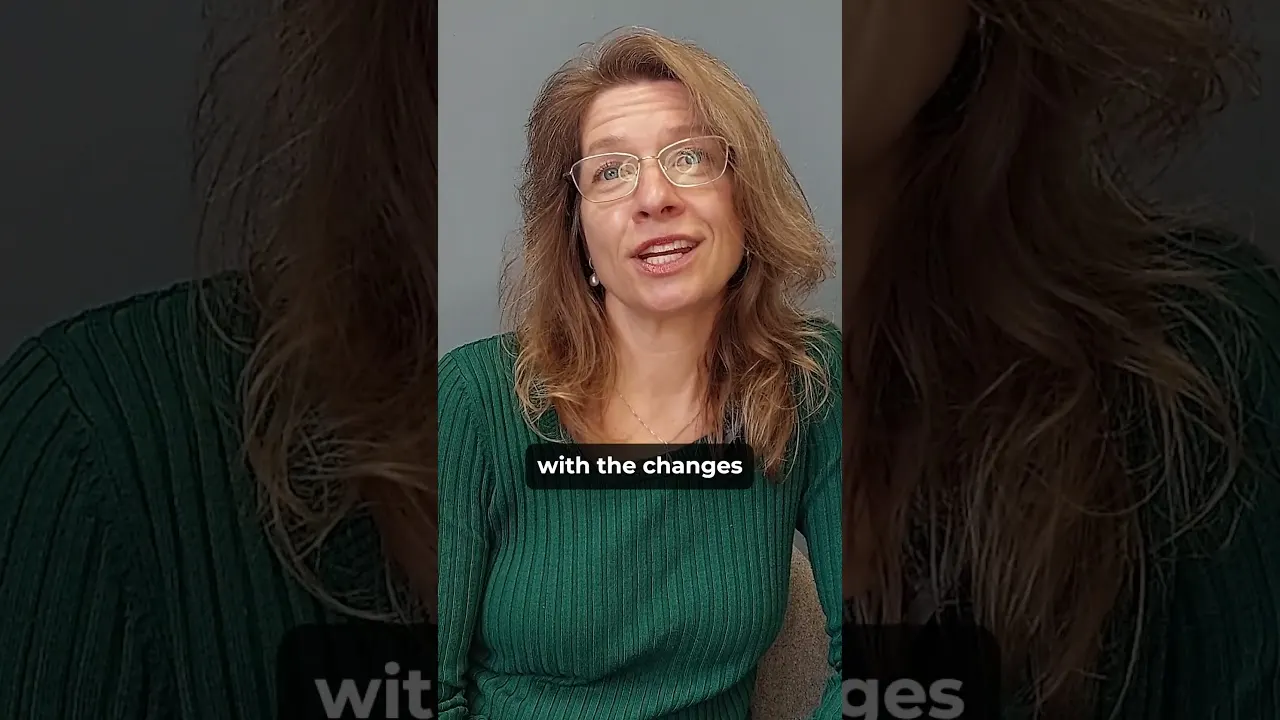
What Is Vivos and How Can It Help With Sleep Apnea in Children?
Kristen, a concerned mom, shares her success story using Vivos therapy to treat her son's sleep apnea. The video showcases the positive impact a good night's sleep can have on a child's well-being. Kristen reports her son now sleeps better throughout the night, wakes up feeling more rested, and even the telltale dark circles under his eyes have disappeared! With renewed energy and a more positive outlook, Kristen credits Vivos therapy for helping her son thrive. Watch Kristen's testimonial to learn how Vivos treatment can improve your child's sleep and quality of life.
Investment
Pediatric Airway Treatment Cost in Brookline
Pricing and Payment Options
How Much Does Pediatric Airway Treatment Cost in Brookline?
Assessment begins with the $195 sleep and airway exam, which applies to children as well as adults and is a full clinical evaluation rather than a free consultation. Vivos therapy is quoted afterwards as a course of treatment, including the appliance, the review appointments across twelve to twenty-four months and coordination with myofunctional therapy. You receive the full figure before treatment starts.
Insurance and Flexible Payment Options
Coverage varies. Some medical plans contribute where sleep-disordered breathing is documented, and orthodontic benefits sometimes apply to arch development. We provide the documentation needed to submit and tell you what to expect in advance.
- Cherry - monthly payment plans, apply at pay.withcherry.com/smilebrookline
- HSA and FSA funds - generally eligible where treatment addresses a documented condition
The Smile Brookline Difference
Why Choose Smile Brookline as Your Pediatric Airway Dentist in Brookline
Beacon Street Since 1992
Dr. Sara Stock, DDS built this practice around child airway development, and it is the work she is known for across the Boston metro. Families arrive after years of being told their child will grow out of it. We look at the jaw, the tongue, the nose and the sleep together, because they are one system.
Certified Vivos Provider
Vivos therapy and Vivos Guides for children aged 3 to 12
Parent Education Meetings
Group sessions explaining airway development to families
Tongue-Tie Evaluation
Assessed in house as part of the airway and growth exam
Referral Network
Myofunctional therapy and release procedures coordinated for you
Known for This Work
Families travel from across the Boston metro for airway care
Sleep and School Reviewed
We ask about focus, behaviour and rest, not only teeth
Parent Educational Presentation
Please contact us today to request the parent educational presentation to learn more about how these symptoms may be affecting people of all ages. Ready to learn about treating these symptoms?
Do you know someone who is struggling with any of these conditions? They could all be linked to one root cause: underdeveloped jaws and a compromised airway! Call Dr. Sara Stock today at 617-731-3364 and sign up for a parent education meeting! There is a solution and it begins with a $195 airway exam.


Explore More
Sleep Apnea Treatment
A comfortable alternative to CPAP that treats the airway itself.
- No Mask or Hose
- Genuinely Portable
- Higher Adherence
Explore More
Night Guards
Custom occlusal splints that protect your teeth and ease jaw tension while you sleep.
- Precise Fit
- Protects Investment
- Thin and Comfortable
Explore More
Invisalign
Clear aligners that straighten your teeth without metal brackets.
- Virtually Invisible
- Removable for Meals
- Easier Hygiene
Explore More
Smile Makeover
A complete plan that combines treatments into one coordinated result.
- One Coherent Result
- Correct Sequence
- Preview First
Common Questions
Frequently Asked Questions About Pediatric Airway Treatment
How much does pediatric airway treatment cost in Brookline, MA?
Can toddlers and babies have sleep apnea?
Is a CPAP machine the only treatment for children?
How does CPAP for children compare with an oral appliance?
What natural treatment options exist for sleep apnea in children?
When will I see results?
What age should treatment start?
Do you offer child sleep studies?
Does my child need a tongue-tie release?
Will this help my child's crowded teeth?
What are Parent Education Meetings?
How do I know if my child's night breathing is a problem?
Get Started
Book Your Child's Airway Exam
References
- Yu M et al., Sleep Med Rev. (2023). Orthodontic appliances for the treatment of pediatric obstructive sleep apnea: A systematic review and network meta-analysis. PMID: 37820534.
- Cozzi-Machado C et al., Sleep Sci. (2023). Mandibular Advancement Appliances in Pediatric Obstructive Sleep Apnea: An Umbrella Review. PMID: 38197023.
- Vaishnavi P et al., Eur Arch Otorhinolaryngol. (2026). Association between mouth breathing and pediatric obstructive sleep apnea: a systematic review. PMID: 41524934.
- American Academy of Pediatrics HealthyChildren. (2025). Parent guidance on airway, ear, nose and throat conditions that disrupt children's breathing and sleep.