Sleep Apnea Treatment in Brookline, MA
- Treatment Time:
- 2-3 visits
- Downtime:
- None
- CPAP Needed:
- No
- Exam Fee:
- $195

CPAP Alternative
Sleep apnea treatment in Brookline, MA uses custom oral appliance therapy to hold the airway open during sleep, offering an alternative for adults with mild to moderate obstructive sleep apnea or those who cannot tolerate CPAP. We treat patients from Coolidge Corner, Brookline Village, Chestnut Hill, Newton, Allston and Brighton.
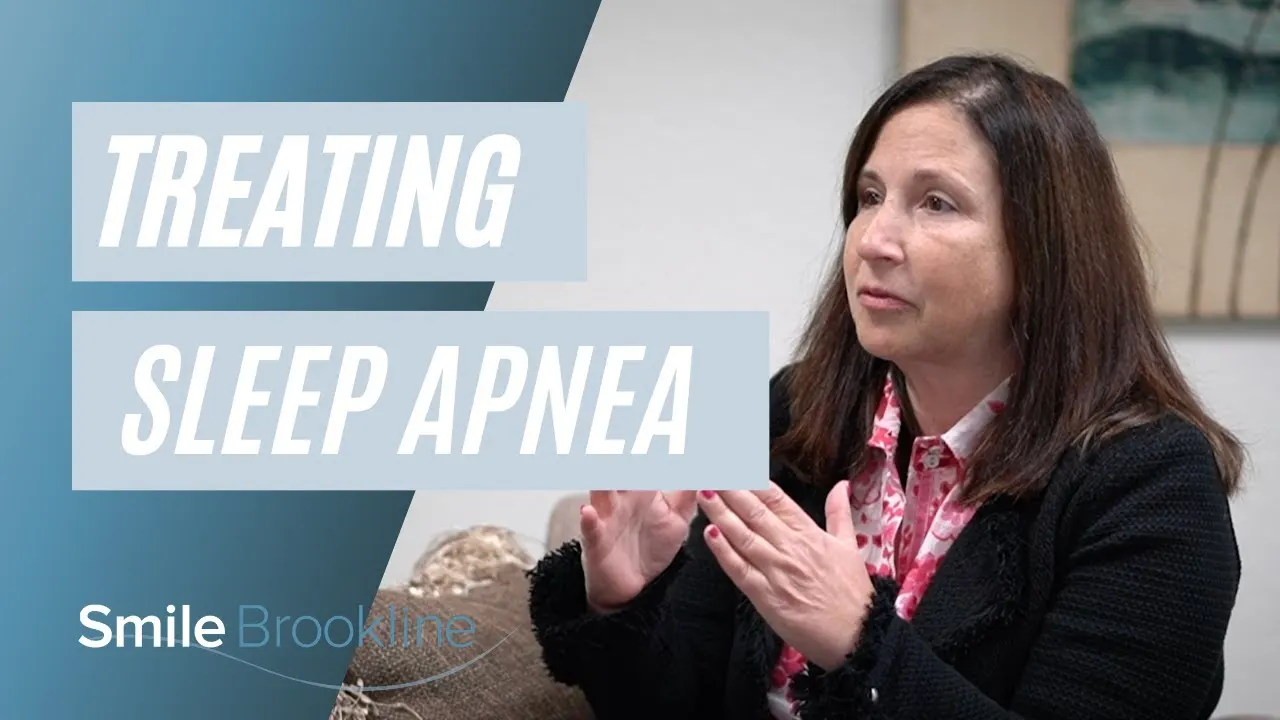
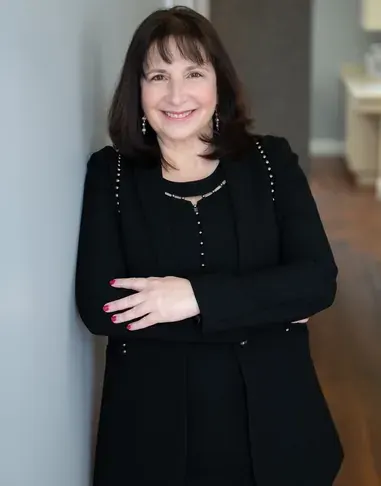
Dr. Sara Stock, DDS is a certified Vivos provider and has built this practice around the connection between breathing, sleep and dental development. Airway dentistry is not a sideline here: it is the reason patients travel across the Boston metro, and it shapes how every other treatment in the office is planned.

Two Appliance Routes
Vivos and Mandibular Advancement Devices for Sleep Apnea
Understanding Your Options
Understanding Your Treatment
What Is Sleep Apnea Treatment?
The Science of Airway Support
Obstructive sleep apnea occurs when the soft tissues of the throat collapse during sleep, repeatedly blocking airflow. Each event fragments sleep and drops blood oxygen, which is why patients wake unrefreshed and why untreated apnea is associated with cardiovascular risk. Dental sleep medicine treats it by keeping the airway physically open.
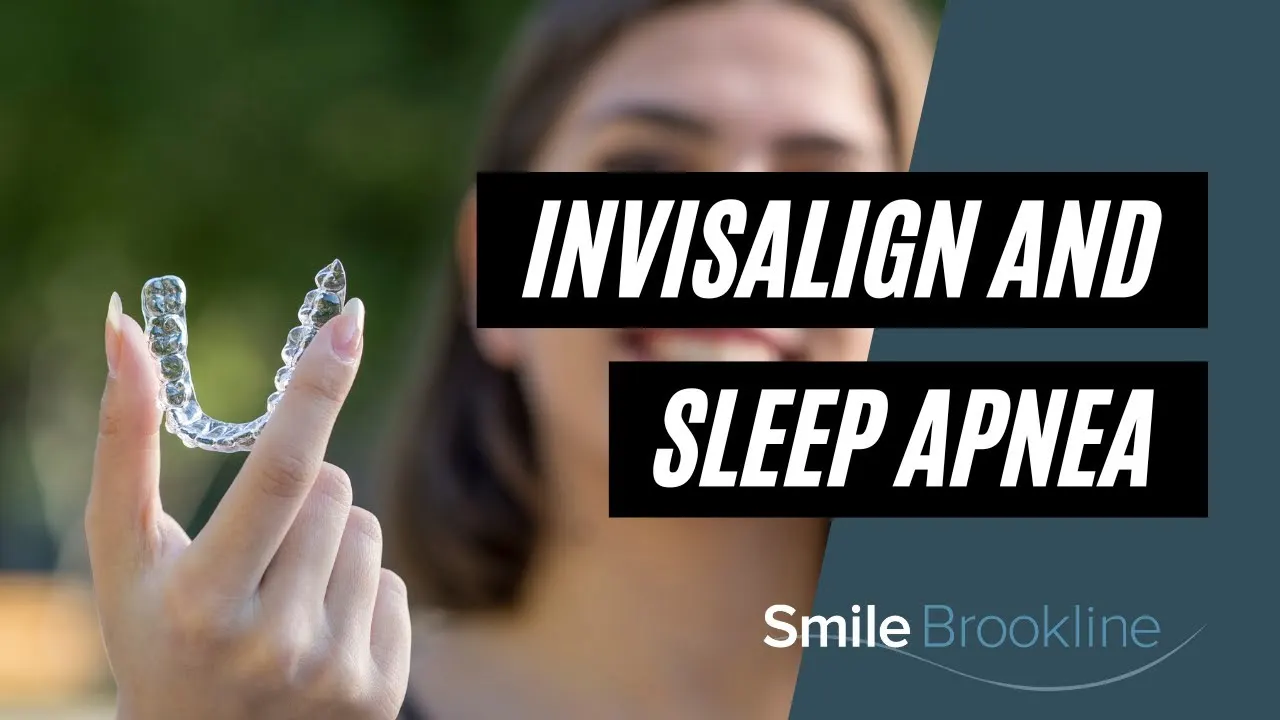
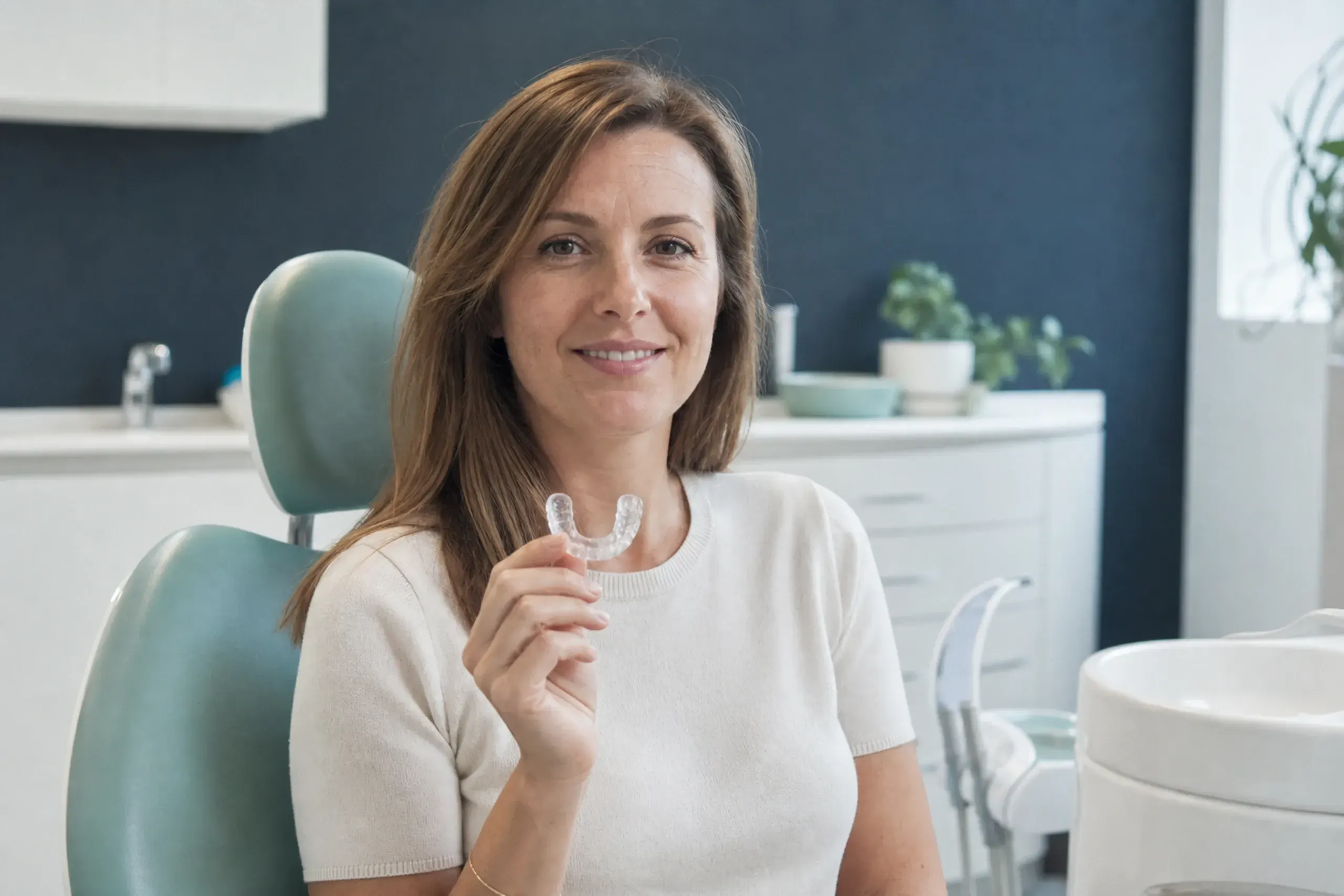
Oral appliance therapy uses a custom device worn only during sleep. A mandibular advancement device holds the lower jaw forward to open the airway behind the tongue, while Vivos therapy works on arch development to increase the available space. Treatment requires a diagnosis from a sleep study, and we can arrange VivoScore home testing for adults.
Treatment Timeline:
- Treatment Time:
- 2 to 3 visits
- First Signs:
- 1 to 2 weeks
- Full Effect:
- 2 to 3 months
- Recovery:
- None
What We Treat
Sleep Apnea Treatment Areas
Symptoms Patients Bring Us
- Loud Snoring
- Reduces the vibration caused by a partially collapsing airway
- Witnessed Apnea
- Addresses the pauses in breathing a partner notices at night
- Daytime Fatigue
- Improves sleep continuity so mornings stop feeling like a struggle
- CPAP Intolerance
- Offers an alternative for patients who cannot wear a mask
- Morning Headaches
- Reduces the headaches linked to overnight oxygen dips
- Nighttime Grinding
- Addresses clenching that can be an airway-reopening reflex
Benefits of Oral Appliance Sleep Apnea Treatment
Treatment you will actually use
Sleep Apnea Treatment vs. Alternatives
CPAP remains the reference treatment for severe apnea. Oral appliances are the recognised alternative for mild to moderate cases and CPAP intolerance.
| Treatment | Mechanism | Time | Results | Duration | Downtime | Best For |
|---|---|---|---|---|---|---|
| Vivos Oral Appliance Therapy | Guides arch development | 12-24 months | 2-3 months | Aims to be lasting | None | Adults with a narrow arch and mild to moderate apnea |
| Mandibular Advancement Device | Holds lower jaw forward | 2-3 visits | 1-2 weeks | Nightly wear | None | Mild to moderate apnea and CPAP intolerance |
| CPAP Therapy | Pressurised airflow via mask | Ongoing | First night | Nightly wear | None | Severe apnea and reference standard treatment |
| Positional Therapy | Prevents supine sleeping | Ongoing | Immediate | Nightly use | None | Position-dependent apnea as an adjunct |
Is This Right for You
Who Is a Good Candidate for Oral Appliance Sleep Apnea Treatment?
Matching Treatment to Severity
Oral appliance therapy requires a diagnosis, healthy teeth to anchor the device and a jaw joint that tolerates advancement. Severity matters: appliances are best supported in mild to moderate apnea and in patients who cannot use CPAP.
Ideal Candidates for Oral Appliance Therapy
- Adults with diagnosed mild to moderate obstructive sleep apnea
- Patients with severe apnea who cannot tolerate or will not use CPAP
- Anyone whose snoring disrupts a partner and who has been screened for apnea
- Frequent travellers who need portable treatment without a machine
- Patients with enough healthy teeth to retain and support an appliance
Who Should Consider Something Else First
- Anyone without a diagnosis, who needs a sleep study before treatment
- Patients with severe apnea who tolerate CPAP well, since it remains the reference standard
- Anyone with active temporomandibular joint pain, where TMJ treatment in Brookline, MA comes first
- Patients with advanced periodontal disease or too few teeth to retain the appliance
- Children, who are assessed through our pediatric airway pathway instead
The National Heart, Lung, and Blood Institute lists oral appliances among recommended treatments for obstructive sleep apnea. Sleep apnea is a medical condition, and we work alongside your physician or sleep specialist rather than around them.
Your Experience
What Happens During Sleep Apnea Treatment
Step-by-Step Process
Airway Exam
Dr. Stock assesses arch width, tongue position, nasal breathing and bite in a $195 exam.
Sleep Study
A diagnosis is confirmed, with VivoScore home testing arranged for adults where needed.
Appliance Selection
Vivos therapy or a mandibular advancement device is chosen with you and scanned.
Fitting
The appliance is fitted and adjusted, and you are shown how to insert and clean it.
Titration and Review
Advancement is increased gradually and effectiveness confirmed with follow-up testing.
Risks and Side Effects
What to Know
Common Oral Appliance Side Effects
Increased salivation, dry mouth, mild jaw or tooth tenderness on waking, and a temporarily unfamiliar bite in the morning are all common in the first two to three weeks. Most resolve as you adapt, and morning exercises help the bite settle more quickly.
Less Common Complications
Long-term appliance wear can produce small changes in tooth position and bite relationship, which is why we monitor occlusion at every review. Temporomandibular joint discomfort occurs in a minority of patients and is usually managed by reducing advancement. An appliance that is not effective can give false reassurance, which is precisely why a follow-up sleep study matters rather than relying on symptoms alone.
Safety and Medical Coordination
Obstructive sleep apnea is a medical diagnosis with cardiovascular consequences, and oral appliance therapy is not appropriate for every patient. CPAP remains the reference standard for severe disease. We work with your physician or sleep specialist, and treatment guidance is published by the National Heart, Lung, and Blood Institute.
Investment
Sleep Apnea Treatment Cost in Brookline
Pricing and Payment Options
How Much Does Sleep Apnea Treatment Cost in Brookline?
Assessment begins with the $195 sleep and airway exam, which is a fee rather than a free consultation because it is a full clinical evaluation. Appliance therapy is quoted afterwards and varies with the device: a mandibular advancement device is a single custom appliance, while Vivos therapy is a course of treatment over many months with reviews included. Nationally, custom oral appliance therapy commonly ranges from about $2,000 to $4,000, with Vivos courses quoted individually.
Insurance and Flexible Payment Options
Oral appliance therapy for diagnosed obstructive sleep apnea is often a medical rather than a dental benefit, and coverage depends on your medical plan and documented diagnosis. We provide the documentation needed to submit.
- Cherry - monthly payment plans, apply at pay.withcherry.com/smilebrookline
- HSA and FSA funds - generally eligible for diagnosed sleep apnea treatment
The Smile Brookline Difference
Why Choose Smile Brookline for Sleep Apnea Treatment in Brookline
Beacon Street Since 1992
Dr. Sara Stock, DDS is a certified Vivos provider for adults and children, and airway is the organising idea of this practice rather than an added service. Grinding, jaw pain, crowded arches and disrupted sleep are assessed as one connected system, which is why patients travel here from across the Boston metro.
Certified Vivos Provider
Dr. Stock is trained in Vivos therapy for adults and children
Both Appliance Types
Vivos and mandibular advancement devices offered side by side
Home Sleep Testing
VivoScore at-home study available to adults for diagnosis
Whole-System View
Grinding, TMJ and arch development assessed together
Boston Metro Referrals
Patients travel here from across the Boston area for this
Children Treated Too
Vivos therapy for ages 3 to 12 as well as for adults
Explore More
Pediatric Airway
Airway treatment improves your child's sleep quality and overall health!
- Works With Growth
- No Mask at Night
- Nasal Breathing Restored
Explore More
Night Guards
Custom occlusal splints that protect your teeth and ease jaw tension while you sleep.
- Precise Fit
- Protects Investment
- Thin and Comfortable
Explore More
Night Guards
Custom occlusal splints that protect your teeth and ease jaw tension while you sleep.
- Precise Fit
- Protects Investment
- Thin and Comfortable
Explore More
Botox for TMJ
Relax overworked jaw muscles to stop clenching and grinding.
- Treats the Cause
- Protects Restorations
- Fewer Headaches
Common Questions
Frequently Asked Questions About Sleep Apnea Treatment
How much does sleep apnea treatment cost in Brookline, MA?
How long does treatment take to work?
Does an oral appliance hurt?
Is an oral appliance as effective as CPAP?
How often do I wear it?
What is the difference between Vivos and a mandibular advancement device?
Can men and women of any age have this treatment?
Do I need a sleep study first?
Will it help my snoring?
Can sleep apnea cause teeth grinding?
Get Started
Book Your Sleep and Airway Exam
References
- Ou YH et al., J Am Coll Cardiol. (2024). Mandibular Advancement vs CPAP for Blood Pressure Reduction in Patients With Obstructive Sleep Apnea. PMID: 38588926.
- Colpani JT et al., J Dent Res. (2026). Mandibular Advancement Device versus CPAP in Severe Obstructive Sleep Apnea. PMID: 40888163.
- Randerath W et al., Eur Respir Rev. (2021). European Respiratory Society guideline on non-CPAP therapies for obstructive sleep apnoea. PMID: 34853097.
- National Heart, Lung, and Blood Institute. (2024). Federal treatment overview listing oral appliances among recommended therapies for obstructive sleep apnea.