
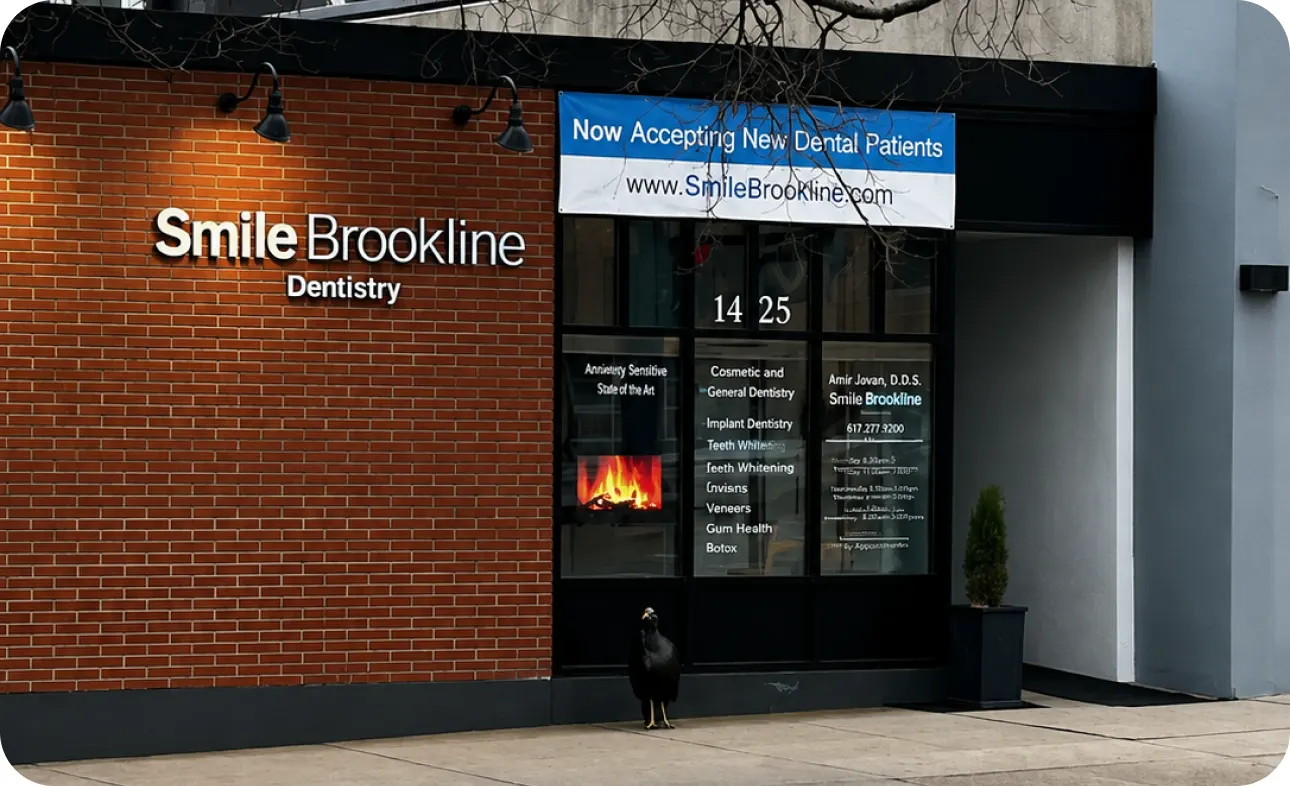
Dental Cleaning in Brookline, MA
- Visit Length:
- 45-60 minutes
- Recommended:
- Every 6 months
- Downtime:
- None
- Results:
- Immediate
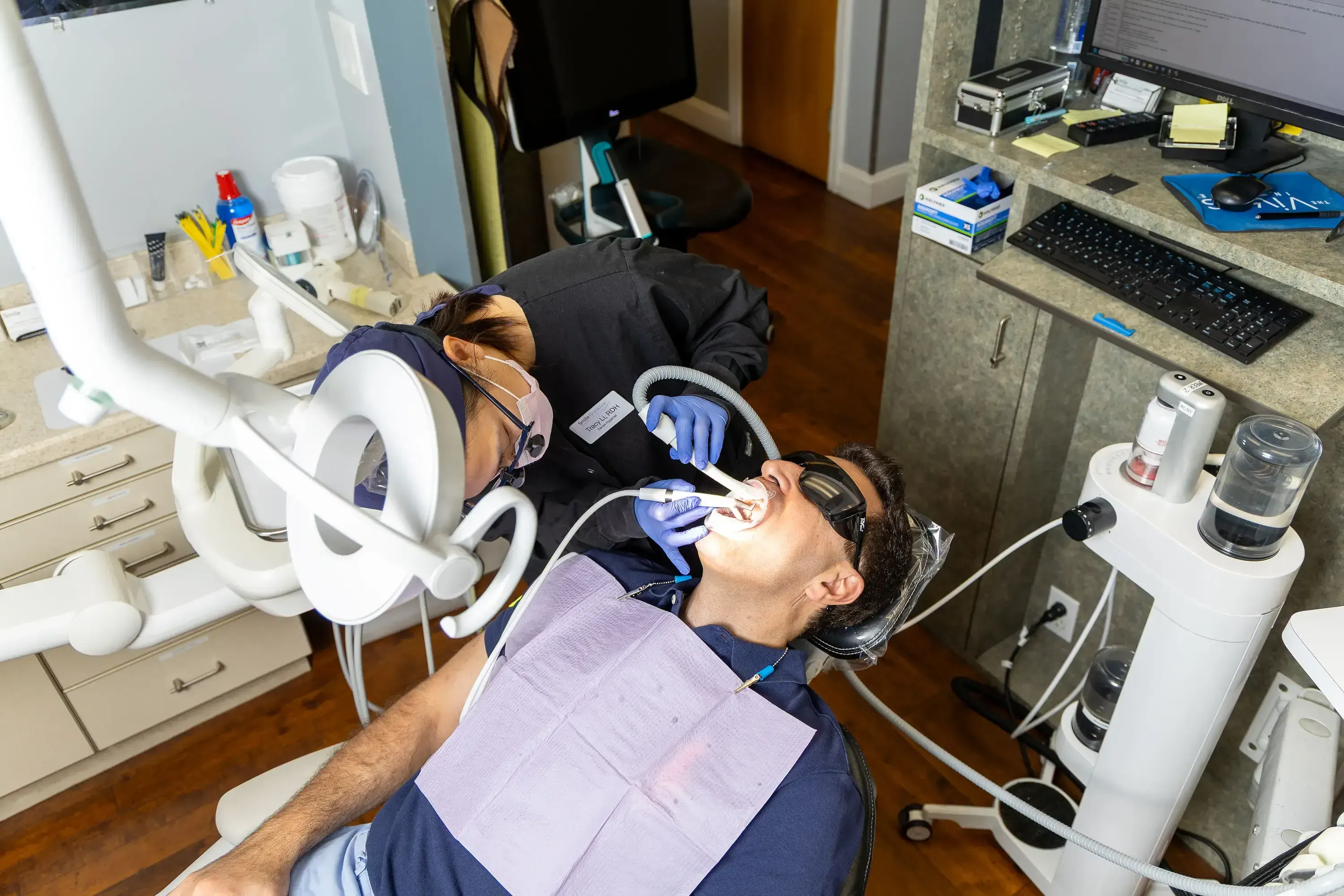
Preventive Care
A dental cleaning in Brookline, MA removes the plaque and hardened tartar that brushing cannot reach, then polishes the tooth surface so bacteria have less to hold onto. We see patients from Brookline, Coolidge Corner, Brookline Village, Chestnut Hill, Newton, Allston and Brighton. If past cleanings left you sore, this one does not have to.
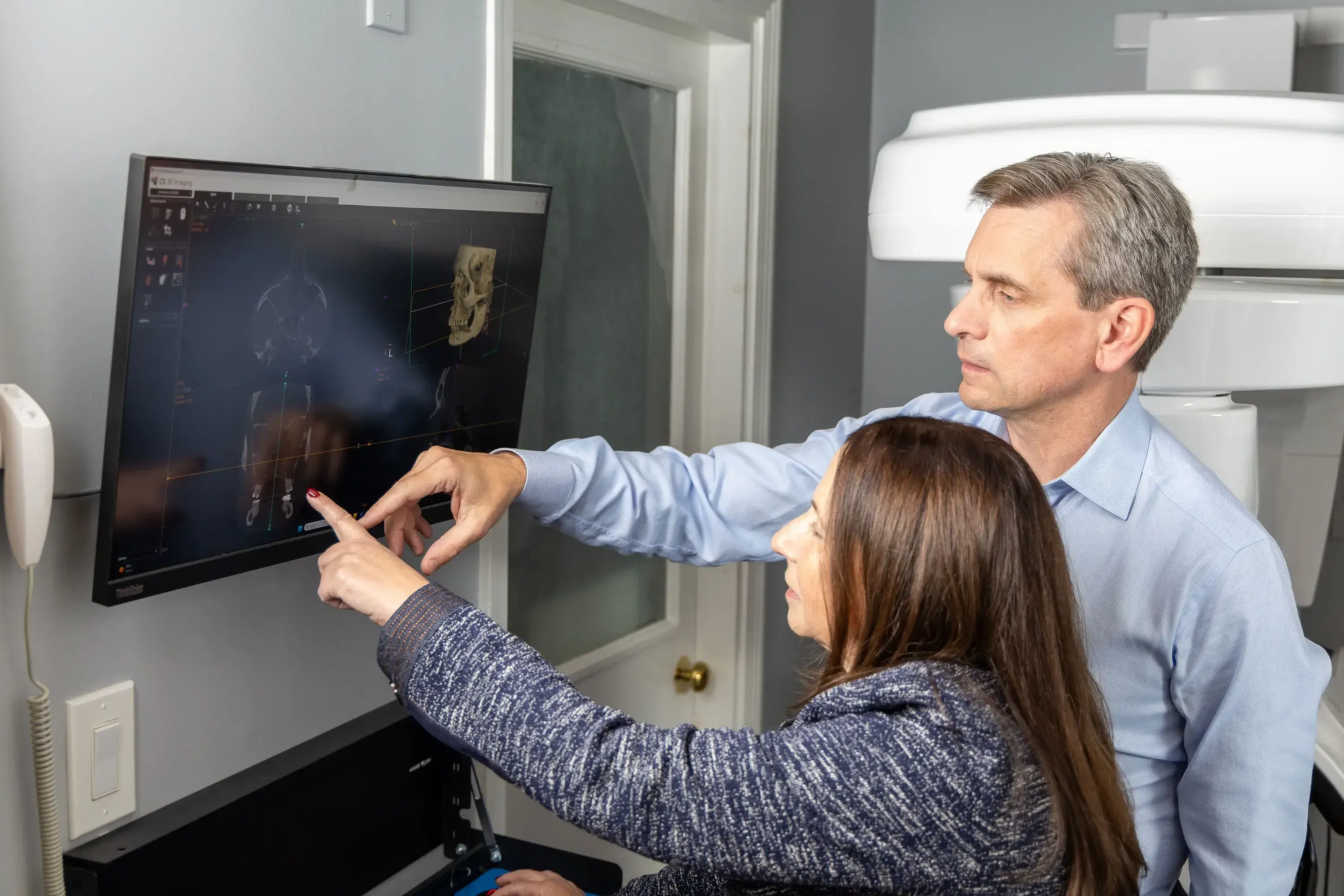
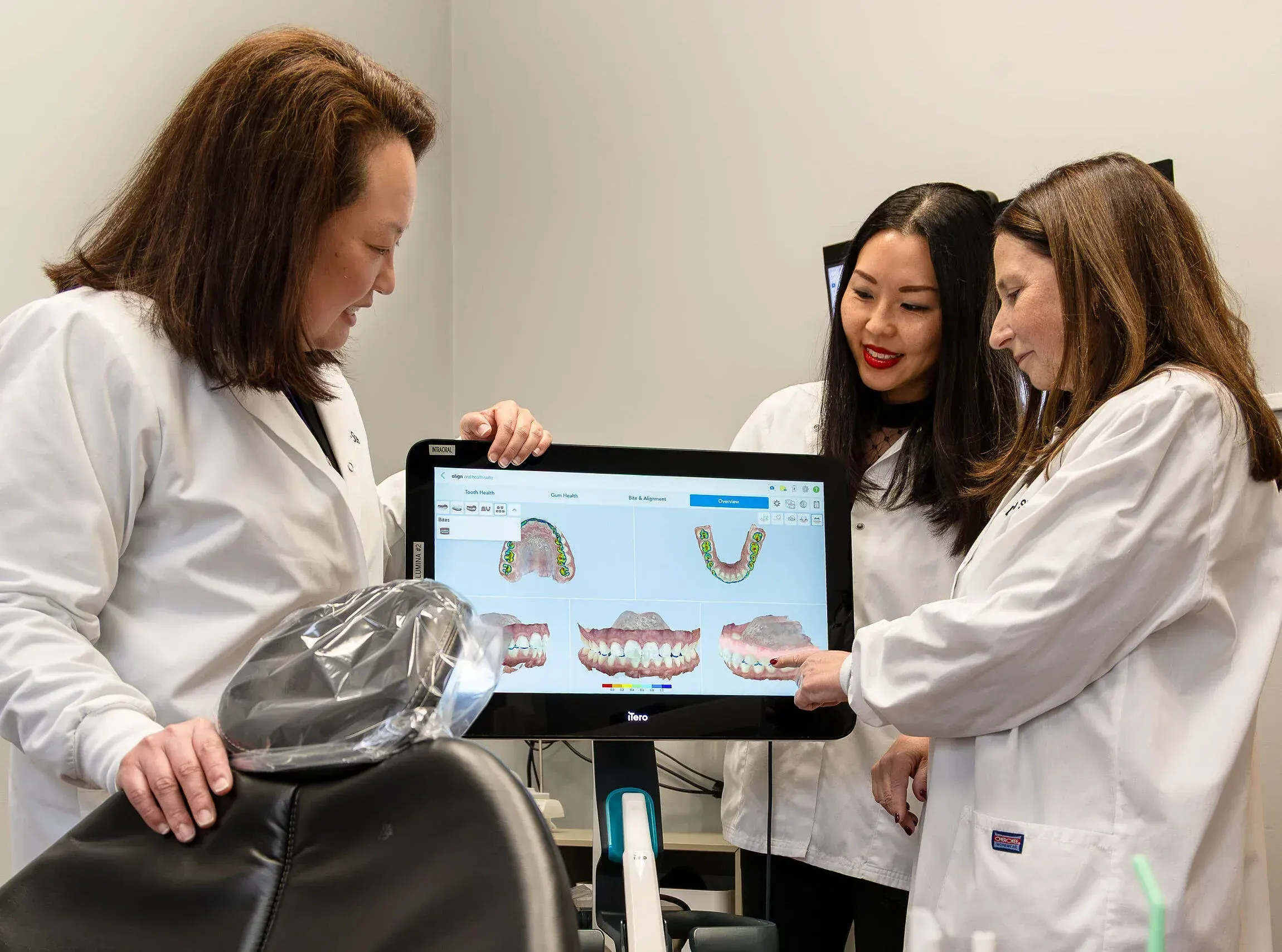
Dr. Sara Stock, DDS opened this Beacon Street practice in 1992 and has built the hygiene program around comfort and time. Our hygienists are given the appointment length they need, so nobody is rushed through a scaler. Every cleaning also doubles as a screening for gum inflammation, worn enamel and the airway signs Dr. Stock looks for.
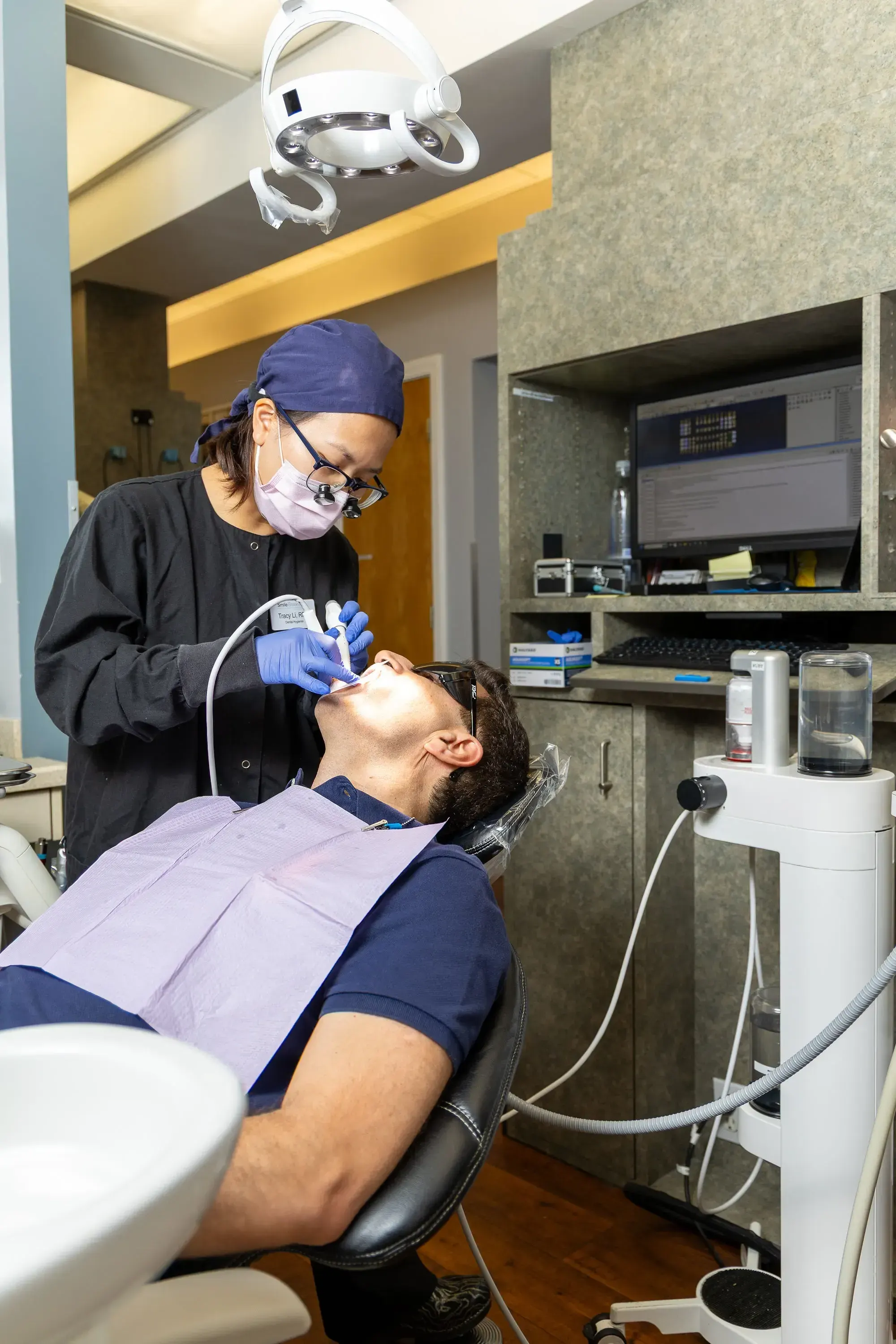
Why It Matters
When Brushing Is Not Enough for a Dental Cleaning
Understanding Plaque and Tartar
Understanding Your Treatment
What Is a Dental Cleaning?
The Science of Plaque Control
A dental cleaning, clinically a prophylaxis, removes plaque, tartar and surface stain from the teeth and from just beneath the gumline. Plaque is a living bacterial film that hardens into tartar within days, and tartar irritates gum tissue into the inflammation that becomes gum disease.
Your hygienist works around each tooth with an ultrasonic scaler, which uses fine vibration and water to break deposits loose rather than force them off, then polishes away stain and flosses the contacts. Because every surface is examined as we go, early decay or a failing filling gets caught while it is still small.
Treatment Timeline:
- Treatment Time:
- 45 to 60 minutes
- First Signs:
- Immediately
- Full Effect:
- 3 to 7 days
- Recovery:
- None
What We Treat
Dental Cleaning Treatment Areas
Comprehensive Preventive Care
- Plaque Buildup
- Removes the bacterial film that daily brushing leaves behind
- Hardened Tartar
- Lifts mineralised deposits off enamel and just below the gumline
- Bleeding Gums
- Settles early gingivitis so gums stop bleeding when you brush
- Surface Staining
- Polishes away coffee, tea, red wine and tobacco discoloration
- Persistent Bad Breath
- Clears the bacteria between teeth that cause most mouth odour
- Early Decay
- Catches soft spots and failing margins while repair is still small
Benefits of a Professional Dental Cleaning
Prevention that pays for itself
Dental Cleaning vs. Other Options
A routine cleaning treats healthy or mildly inflamed gums. Deeper infection needs a different procedure, and the exam tells us which you need.
| Treatment | Mechanism | Time | Results | Duration | Downtime | Best For |
|---|---|---|---|---|---|---|
| Dental Cleaning | Scaler plus polish | 45-60 min | Immediate | About 6 months | None | Healthy or mildly inflamed gums |
| Guided Biofilm Therapy | Erythritol air-polishing | 45-60 min | Immediate | About 6 months | None | Sensitive teeth, braces, implants |
| Scaling and Root Planing | Deep cleaning below gumline | 2 visits | 2-6 weeks | 3-4 months | 1-2 days | Diagnosed periodontitis |
| Home Care Only | Brushing and flossing | Daily | Maintains only | Ongoing | None | Between professional visits |
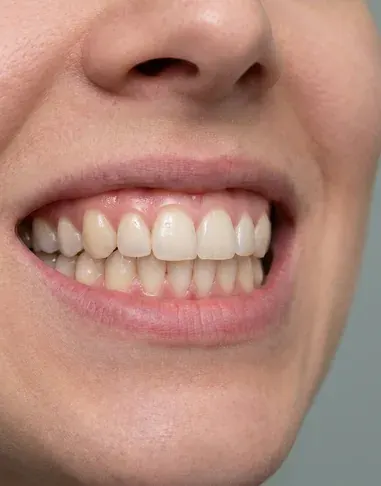



Is This Right for You
Who Is a Good Candidate for a Dental Cleaning?
Finding Your Best Interval
Almost everyone benefits from a professional cleaning, and for most healthy adults the right rhythm is every six months. The exam decides whether you stay on that schedule or need something more.
Ideal Candidates for a Dental Cleaning
- Adults and children due for a routine six-month hygiene visit
- Patients with healthy gums or early, reversible gingivitis
- Anyone with visible surface stain from coffee, tea, wine or tobacco
- Patients with crowns, veneers, implants or aligners that need maintenance upkeep
- People who have been away from the dentist and want to restart without judgement
Who Should Wait or Choose Another Option
- Patients with deep pockets, bone loss or diagnosed periodontitis, who need scaling and root planing first
- Anyone with an active dental abscess or facial swelling, which is treated as an emergency
- Patients recovering from recent oral surgery, until the site has healed
- Anyone advised by a physician to delay elective dental care during acute illness
If you have a heart valve replacement, a recent joint replacement or an immune condition, tell us before the appointment so we can confirm whether antibiotic premedication applies to you.
Your Experience
What Happens During a Dental Cleaning
Step-by-Step Process
Review
Your hygienist checks gum measurements and asks what has changed since your last visit.
Scaling
Plaque and tartar come off with an ultrasonic scaler and fine hand instruments, quadrant by quadrant.
Polishing
A soft rubber cup and prophy paste lift surface stain and leave the enamel smooth.
Floss and Fluoride
Contacts are flossed and a fluoride varnish is offered to strengthen enamel.
Exam
Dr. Stock or your dentist reviews the findings with you and flags anything worth watching.
Risks and Side Effects
What to Know
Common Dental Cleaning Side Effects
Mild gum tenderness and bleeding for 24 to 48 hours is the usual experience, particularly at a first visit after a long gap. Short-lived cold sensitivity can follow the removal of tartar that had been insulating an exposed root surface. Both typically settle within a few days.
Less Common Effects
Occasionally a small amount of previously hidden recession becomes noticeable once heavy deposits are removed. Patients on blood thinners may bleed a little longer. The National Institute of Dental and Craniofacial Research notes that bacteraemia after cleaning is transient and clinically insignificant for most people, though a small group with specific cardiac or joint history needs antibiotic premedication.
Safety and Who Should Tell Us First
Let us know about heart valve repair or replacement, infective endocarditis history, recent joint replacement, immunosuppression, pregnancy or any bleeding disorder. Our hygienists work under Dr. Sara Stock, DDS, and we adjust technique, instrument choice and premedication to the medical history in front of us.
Investment
Dental Cleaning Cost in Brookline
Pricing and Payment Options
How Much Does a Dental Cleaning Cost in Brookline?
The fee depends on whether this is a routine prophylaxis or a more involved visit, how long it has been since your last cleaning, and whether X-rays, fluoride or a periodontal evaluation are included. New patients most often start with our comprehensive exam package, which covers the examination, full-mouth X-rays, an oral health scan and an oral cancer screening for $295. Exact pricing for your cleaning is confirmed at that visit, before anything is scheduled.
Insurance and Flexible Payment Options
Smile Brookline is a fee-for-service practice, which means treatment decisions are not limited by an insurance contract. We submit claims to all major commercial dental insurance carriers on your behalf, and preventive visits are the benefit most plans cover best.
- Cherry - apply online for monthly payment plans at pay.withcherry.com/smilebrookline
- Major credit cards and HSA or FSA funds - accepted for all preventive and restorative care
The Smile Brookline Difference
Why Choose Smile Brookline for Dental Cleaning in Brookline
Beacon Street Since 1992
Dr. Sara Stock, DDS has practiced restorative and preventive dentistry since 1989 and runs this office the way a good hotel runs its front desk: nobody is rushed, nothing is a surprise. Our hygienists are scheduled with enough time to work gently, and every cleaning includes a whole-health look at your gums, bite and breathing.
Unhurried Appointments
Hygiene visits are scheduled long enough to work gently
Air-Polishing Option
Guided Biofilm Therapy is available when scraping feels harsh
Airway-Aware Exams
We check for grinding, mouth breathing and worn enamel too
One Team, One Record
Hygiene, restorative and surgical care share the same chart
Saturday Appointments
Open Saturday mornings from 7:30am for working patients
Since 1992
Dr. Stock has run preventive care on Beacon Street for 30 years

Explore More
Guided Biofilm Therapy
Pain-free airflow cleaning that removes plaque and stains without scraping.
- Noticeably Gentler
- Safe on Restorations
- You See the Plaque
Explore More
Scaling and Root Planing
Deep cleaning that reaches below the gumline to stop infection.
- Avoids Surgery
- Measurable Result
- Stops Attachment Loss
Explore More
Gum Disease Treatment
Stop bleeding, swelling and bone loss before you lose a tooth.
- Stops Bone Loss
- Bleeding Resolves
- Fresher Breath
Explore More
Scaling and Root Planing
Deep cleaning that reaches below the gumline to stop infection.
- Avoids Surgery
- Measurable Result
- Stops Attachment Loss
Common Questions
Frequently Asked Questions About Dental Cleaning
How much does a dental cleaning cost in Brookline, MA?
How long does a dental cleaning take?
Does a dental cleaning hurt?
How often should I get my teeth cleaned?
When will I see results after a cleaning?
What is the difference between a dental cleaning and a deep cleaning?
Can children get a dental cleaning here?
Do I still need a cleaning if my teeth feel fine?
Is air-polishing better than traditional scaling?
Will a cleaning whiten my teeth?
Get Started
Schedule Your Cleaning
References
- Chapple IL et al., J Clin Periodontol. (2015). Primary prevention of periodontitis: managing gingivitis. PMID: 25639826.
- Needleman I et al., J Clin Periodontol. (2015). Professional mechanical plaque removal for prevention of periodontal diseases in adults - systematic review update. PMID: 25495962.
- Farina R et al., J Clin Periodontol. (2026). Clinical Efficacy of Interventions Based on Professional Mechanical Plaque Removal in the Treatment of Dental Biofilm-Induced Gingivitis: A Systematic Review and Meta-Analysis. PMID: 41531192.
- National Institute of Dental and Craniofacial Research. (2024). Patient guidance confirming that regular professional cleaning and daily plaque control are the foundation of gum disease prevention.