

Bruxism Treatment in Brookline, MA
- Common In:
- Adults 25-55
- Primary Causes:
- Airway, stress, arousals
- Treatment Time:
- 2 visits
- Results:
- First night to 4 weeks
Introduction
Stop the damage while you sleep
Understanding Your Jaw
What Is Teeth Grinding?
Recognising the Signs
Teeth grinding, clinically bruxism, is repetitive jaw muscle activity involving clenching or grinding of the teeth. Sleep bruxism occurs during sleep and is classified as a sleep-related movement behaviour, while awake bruxism is a daytime clenching habit with different triggers.
You may never hear it yourself. What you notice is a jaw that aches on waking, a headache that starts at the temples before breakfast, and teeth that have gradually lost their pointed edges. A partner hears the sound, which is often how the conversation starts.
Many patients assume it is stress and leave it there. Research increasingly links sleep bruxism to sleep-disordered breathing, which changes what treatment should look like, and that distinction is the reason this page exists.
Why Teeth Grinding Happens
Understanding the Root Causes
01The Science
Sleep bruxism originates centrally rather than in the teeth. Episodes cluster with brief arousals from lighter stages of sleep, when heart rate rises and muscle tone increases, and jaw movement occurs as part of that pattern rather than as a response to how the teeth meet.
One of the strongest associations is with sleep-disordered breathing. When the airway narrows or collapses during sleep, jaw movement and tongue protrusion help reopen it, and systematic reviews have examined this relationship between bruxism and obstructive sleep apnea. In those patients, grinding is closer to a protective reflex than a habit.
Stress, anxiety, certain medications including SSRIs, caffeine, alcohol and nicotine all raise the frequency of episodes. Where clenching is daytime rather than nocturnal, the psychological drivers usually dominate, and treatment through TMJ treatment is targeted differently.
02Deeper Understanding
What Grinding Does to Enamel and Joints
How Force Accumulates Over Years
The masseter is exceptionally strong for its size, and during sleep the usual protective feedback that limits bite force is reduced. Forces well beyond normal chewing are applied repeatedly for minutes at a time, night after night, to surfaces designed for intermittent loading.
Enamel wears flat, starting at the canine tips and incisal edges. Cracks propagate through molars. Restorations fracture, and porcelain is particularly vulnerable, which is why a custom night guard is planned alongside crowns and veneers rather than after they break.
The muscles and joint absorb the rest. Chronic overload produces the morning ache, the temple headaches and, over time, the squared appearance of a hypertrophied masseter. Reviews describe overlapping relationships between bruxism, temporomandibular disorders and headache.
Contributing Factors
What Accelerates Teeth Grinding?
Identifying Your Triggers
Several factors increase how often grinding episodes occur and how forceful they are, and most patients have more than one contributing at the same time.
- Sleep-Disordered Breathing
- Airway narrowing during sleep is associated with grinding episodes that may help reopen it.
- Stress and Anxiety
- Psychological load raises muscle tone and is the dominant driver in daytime clenching.
- Sleep Arousals
- Episodes cluster with brief shifts to lighter sleep, when heart rate and muscle tone rise.
- Stimulants
- Caffeine, nicotine and alcohol all increase the frequency and intensity of grinding at night.
- Certain Medications
- Some antidepressants, including SSRIs, are associated with increased bruxism activity.
- Bite and Alignment
- Uneven contacts and crowding influence how destructive the force becomes once grinding starts.
Is This You?
You May Be Experiencing Teeth Grinding If...
Grinding is usually diagnosed from what it leaves behind rather than from the act itself. If several of these apply, an examination will show whether enamel is being lost.
Morning Jaw Soreness
Your jaw feels tired or tight on waking, as though it has been working all night.
Temple Headaches
Headaches begin at the temples before the day has started and ease as the morning goes on.
Flattened Teeth
Canine tips have lost their points and front teeth look shorter than they used to.
Chipped Enamel
Small chips appear along biting edges without any obvious injury to explain them.
A Partner Hears It
Someone tells you that you grind audibly during the night, often for minutes at a time.
Cold Sensitivity
Teeth have become sensitive as enamel thins and exposed dentine reacts to temperature.
Treatment Options Comparison
Compare the treatments we offer for bruxism, from protecting the teeth tonight to addressing what is driving the grinding.
| Treatment | Best For | Session Time | Results Timeline | Maintenance |
|---|---|---|---|---|
| Night Guards | Protecting enamel and restorations | 2 visits | First night | Replace every 3-5 years |
| TMJ Treatment | Jaw pain, clicking and muscle tension | Varies | 2-4 weeks | Reviewed periodically |
| Botox for TMJ | Reducing clenching force | 15-20 min | 5-7 days | Every 3-4 months |
| EMFACE TMJ therapy | Needle-free relief of jaw muscle tension | 20 min | 2-4 weeks | Course dependent |
| Sleep Apnea Treatment | Grinding driven by airway collapse | 2-3 visits | 1-2 weeks | Nightly wear |
Why Smile Brookline
Why Choose Smile Brookline for Teeth Grinding Care in Brookline, MA
Expert Care in Brookline
At Smile Brookline, Dr. Sara Stock, DDS assesses grinding as part of a whole-airway picture rather than treating it as a stress habit, because the treatment that follows depends entirely on which it is.
Airway Screened First
We check for the sleep-disordered breathing that frequently underlies nighttime grinding.
Full Treatment Range
Custom splints, masseter injections and airway therapy are all available in one practice.
Damage Documented
Wear facets and restorations are photographed and tracked so progression is measurable.
Cause-Led Planning
We treat what is driving the grinding rather than only protecting the teeth from it.
Splints Made To Measure
Night guards are scanned and made to fit, so they are worn rather than left in a drawer.
Children Included
Grinding in children is assessed through the same airway pathway used for adults.



Explore More
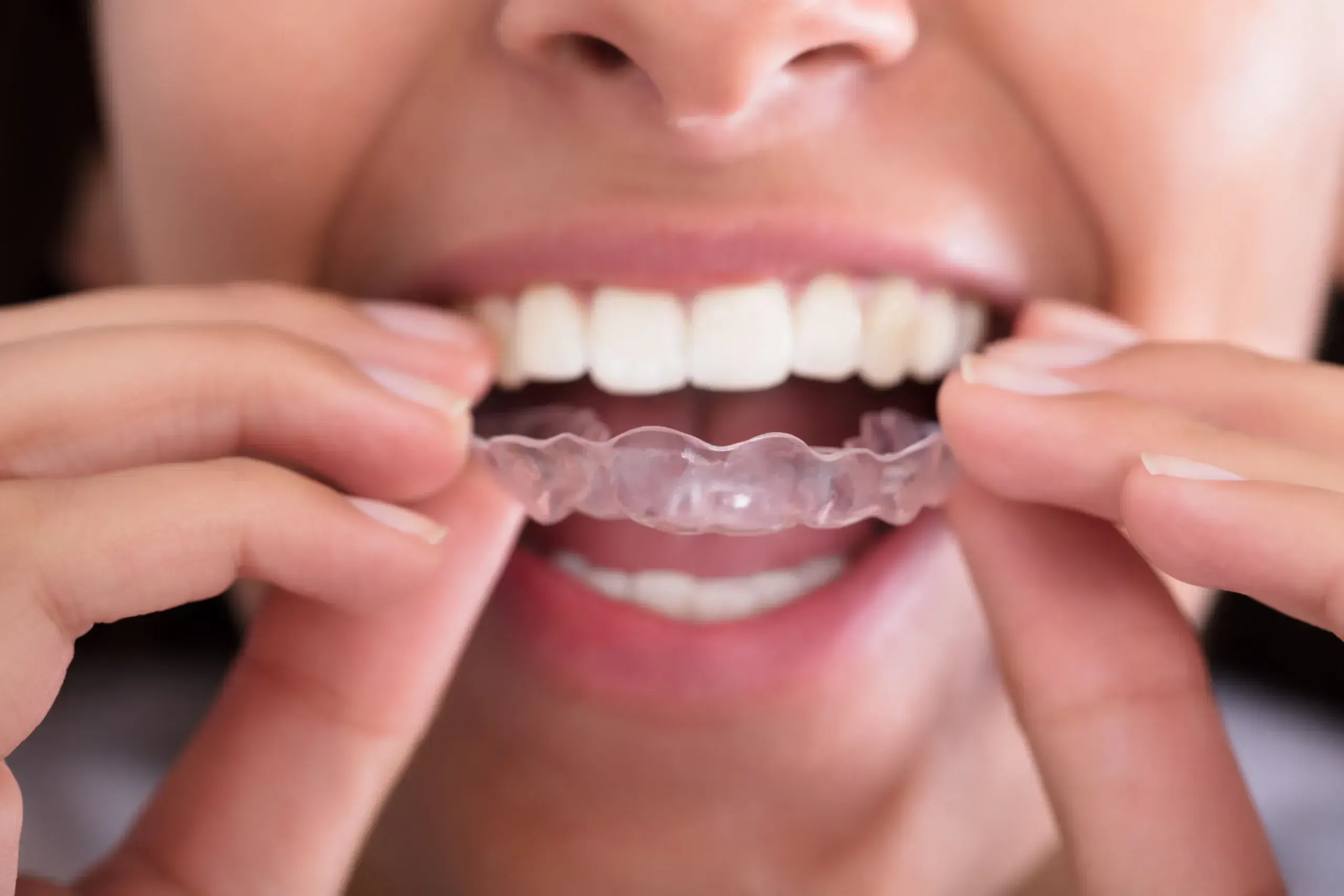
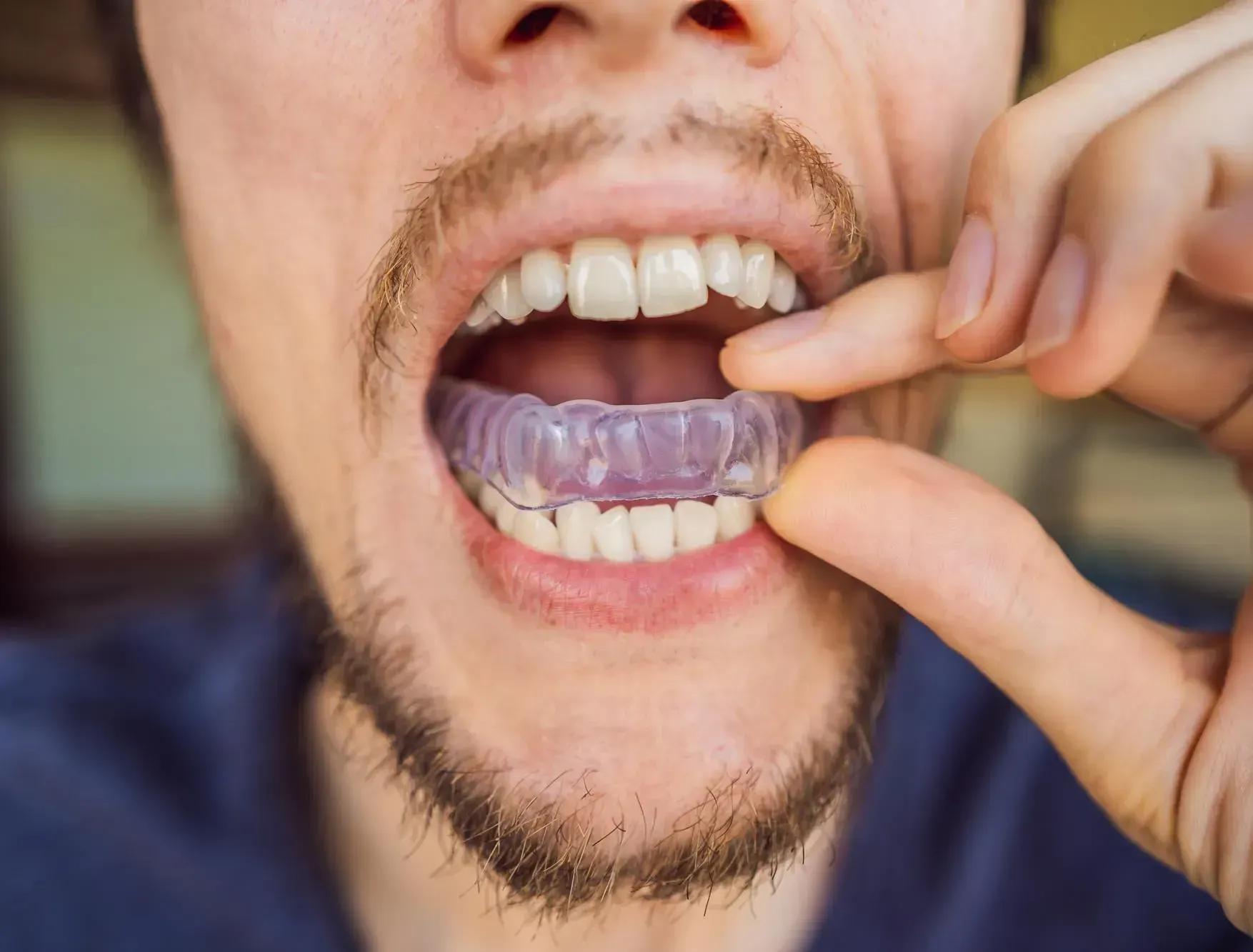
Night Guards
Custom occlusal splints that protect your teeth and ease jaw tension while you sleep.
- Precise Fit
- Protects Investment
- Thin and Comfortable
Explore More
Botox for TMJ
Relax overworked jaw muscles to stop clenching and grinding.
- Treats the Cause
- Protects Restorations
- Fewer Headaches
Explore More
Emface TMJ
Needle-free muscle therapy for jaw tension, clenching and TMJ pain.
- No Needles
- No Medication
- No Downtime
Explore More
Sleep Apnea Treatment
A comfortable alternative to CPAP that treats the airway itself.
- No Mask or Hose
- Genuinely Portable
- Higher Adherence
Your Questions
Frequently Asked Questions
Can I stop teeth grinding from getting worse?
How do I know which treatment is right for me?
How quickly will I see improvement?
Is grinding just a stress habit?
Will a night guard stop the grinding?
What can I do at home?
Can children grind their teeth for the same reason?
When should I see a dentist about grinding?
Get Started
Schedule Your Jaw and Airway Consultation
Scientific References
- Kuang B et al., Sleep Med. (2022). Associations between sleep bruxism and other sleep-related disorders in adults: a systematic review. PMID: 34879286.
- da Costa Lopes AJ et al., Sleep Breath. (2020). Is there an association between sleep bruxism and obstructive sleep apnea syndrome? A systematic review. PMID: 31628624.
- Voß LC et al., Pain. (2024). Bruxism, temporomandibular disorders, and headache: a narrative review of correlations and causalities. PMID: 38888745.
- American Dental Association MouthHealthy. (2025). Patient guidance on the signs of bruxism and why grinding damages enamel over time.