
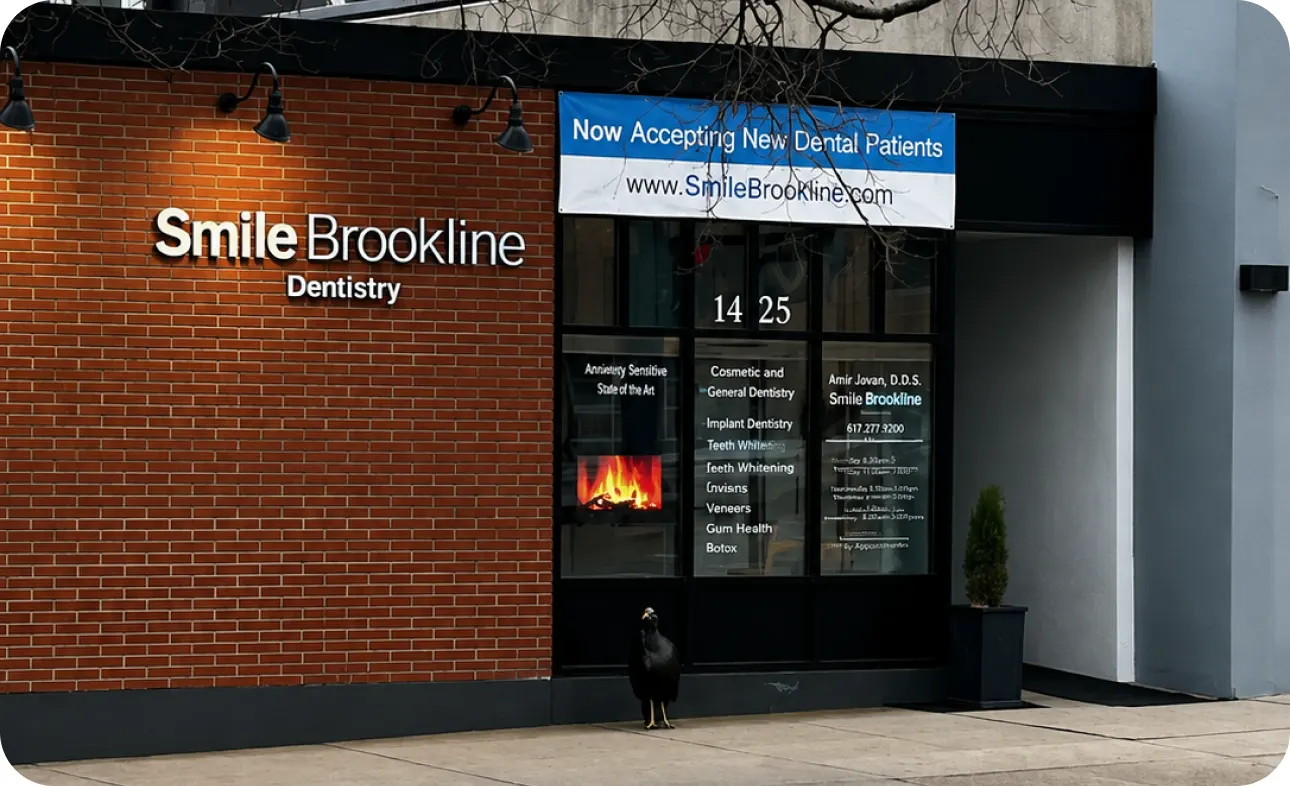
Dental Fillings in Brookline, MA
- Treatment Time:
- 20-60 minutes
- Downtime:
- None
- Results Last:
- 5-10 years
- Material:
- Metal-free
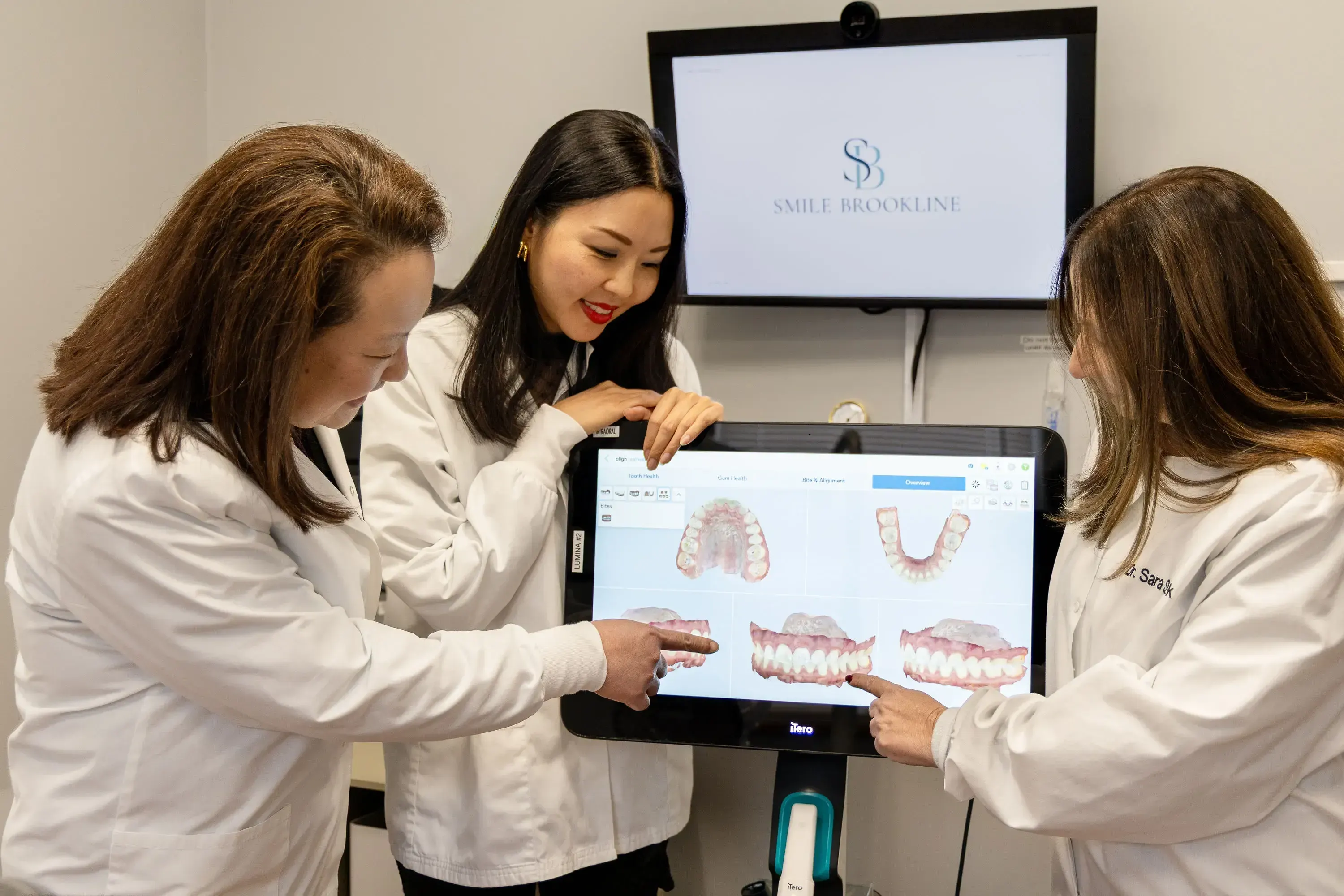
Metal-Free Repair
Dental fillings in Brookline, MA repair a tooth damaged by decay, wear or a small fracture, restoring its shape and sealing it against bacteria. We use tooth-coloured composite rather than amalgam, so the repair disappears into the tooth. Patients come to us from Coolidge Corner, Brookline Village, Chestnut Hill, Newton, Allston and Brighton.
Dr. Sara Stock, DDS has placed metal-free restorations since long before they became standard, and the practice has offered composite and ceramic alternatives to amalgam for years. Small decay caught at a hygiene visit becomes a quiet twenty-minute appointment rather than a crown, which is the entire argument for regular check-ups.
The Challenge
What Dental Fillings Repair Before It Spreads
Understanding Tooth Decay
Understanding Your Treatment
What Are Dental Fillings?
The Science of Adhesive Restoration
A dental filling restores a tooth damaged by decay, fracture or wear. Decayed tissue is removed, the cavity is cleaned, and the space is rebuilt with a material that seals the tooth. We use tooth-coloured composite resin, a blend of resin and fine glass particles that is bonded directly to enamel and dentine.
Composite is placed in thin layers, each hardened with a curing light before the next is added, which controls shrinkage and builds strength. Because it bonds adhesively rather than being wedged in mechanically, less healthy tooth needs removing to retain it. The surface is then shaped to your bite and polished so it feels like the original tooth.
Treatment Timeline:
- Treatment Time:
- 20 to 60 minutes
- First Signs:
- Same visit
- Full Effect:
- Immediately
- Recovery:
- None
What We Treat
Dental Filling Treatment Areas
Damage a Filling Can Repair
- New Cavities
- Removes decay and seals the tooth before it reaches the nerve
- Old Amalgam Fillings
- Replaces failing silver fillings with bonded tooth-coloured material
- Small Chips
- Rebuilds a chipped edge on a front or back tooth in one visit
- Worn Biting Edges
- Restores enamel lost to grinding or acid erosion over time
- Root Surface Decay
- Repairs cavities on exposed roots where gums have receded
- Gaps Between Teeth
- Closes small spaces with bonded composite where suitable
Benefits of Tooth-Colored Dental Fillings
Invisible, conservative repair
Dental Fillings vs. Alternatives
How much tooth structure remains decides the restoration. A filling is the most conservative option when the walls are still sound.
| Treatment | Mechanism | Time | Results | Duration | Downtime | Best For |
|---|---|---|---|---|---|---|
| Composite Filling | Bonded resin repair | 20-60 min | Same visit | 5-10 years | None | Small to moderate cavities |
| Amalgam Filling | Packed metal alloy | 20-60 min | Same visit | 10-15 years | None | Back teeth where appearance is irrelevant |
| Inlay or Onlay | Lab-made partial coverage | 1-2 visits | Same or 2 weeks | 10-15 years | 1-2 days | Larger cavities with strong walls |
| Dental Crown | Full-coverage cap | 1-2 visits | Same or 2 weeks | 10-20 years | 1-2 days | Fractured or heavily broken-down teeth |







Is This Right for You
Who Is a Good Candidate for Dental Fillings?
Finding Your Best Repair
A filling is the right choice when decay or damage is contained and enough sound tooth remains around it to carry the chewing load. Beyond that point, a partial or full-coverage restoration protects the tooth better.
Ideal Candidates for Dental Fillings
- Patients with small or moderate cavities found at a check-up or on X-ray
- Anyone replacing an old amalgam filling that is leaking, cracked or worn
- Small chips on front or back teeth where the edge needs rebuilding
- Root surface decay following gum recession, where the root is accessible
- Patients with healthy gums and no active infection in the tooth
Who Should Choose Another Option
- Teeth with a fractured cusp or very thin remaining walls, which need a dental crown
- Teeth where decay has reached the nerve, which need endodontic treatment first by referral
- Patients with untreated gum disease, where periodontal care comes before restorative work
- Very large cavities on molars, where an onlay distributes force better than a direct filling
The U.S. Food and Drug Administration recommends that certain groups, including pregnant patients and young children, avoid amalgam where alternatives are suitable. We use tooth-coloured materials as standard.
Your Experience
What Happens During Dental Filling Treatment
Step-by-Step Process
Numbing
Local anaesthetic is placed, and topical gel first if you prefer not to feel the injection.
Cleaning
Dr. Stock removes only the decayed tissue, leaving healthy tooth structure intact.
Bonding
The cavity is etched and primed so the composite bonds chemically to the tooth.
Layering
Composite is built in thin increments, each cured with a light before the next.
Shaping
The filling is contoured to your bite, polished smooth and checked with articulating paper.
Risks and Side Effects
What to Know
Common Dental Filling Side Effects
Cold sensitivity for a few days to two weeks is the usual experience after a deeper restoration, and it typically resolves as the nerve settles. Tenderness when biting suggests the filling is fractionally high and takes two minutes to adjust. Gum soreness where the matrix band sat also passes within a day or two.
Less Common Complications
A small number of deep cavities lie close enough to the nerve that the tooth later needs root canal treatment, which we refer to a trusted endodontist. Composite can chip under heavy grinding forces, and margins can stain or leak over years, which allows new decay underneath. Both are usually detected early at hygiene recalls.
Safety and Material Choice
We place tooth-coloured composite rather than amalgam as standard. The U.S. Food and Drug Administration advises that higher-risk groups avoid amalgam where suitable alternatives exist. Tell us about material allergies, pregnancy, dry mouth or reflux, since each changes how we plan the restoration and how long it is likely to last.
Real Results
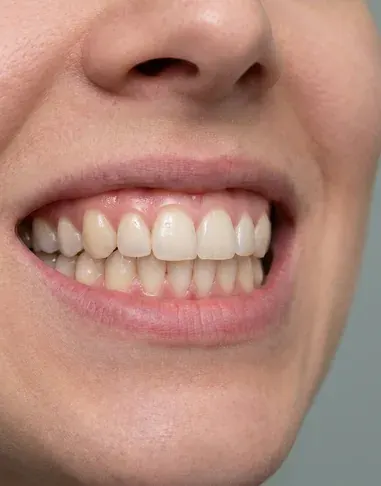
A well-matched composite is invisible the moment it is polished, and most patients cannot point to which tooth was treated a week later. Slight cold sensitivity for a few days after a deeper filling is normal and fades as the tooth settles. Composite picks up mild staining at the margins over years, which polishing usually corrects. Individual results vary.
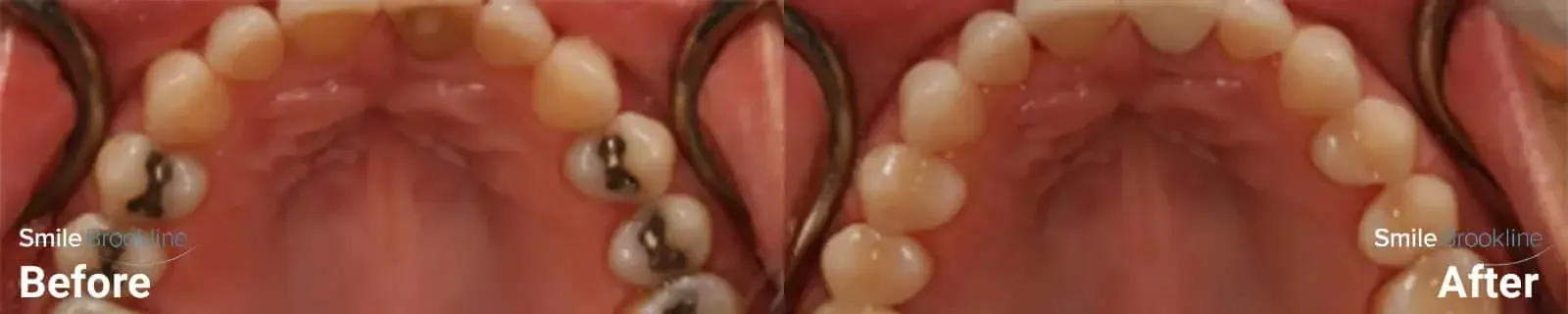
Before
After
Representative example: individual results vary.
Investment
Dental Filling Cost in Brookline
Pricing and Payment Options
How Much Does a Dental Filling Cost in Brookline?
The fee depends on how many surfaces of the tooth are involved and where the tooth sits. A single-surface composite on a front tooth is at the lower end, while a three-surface restoration on a molar takes longer and costs more. Nationally, composite fillings commonly range from roughly $150 to $450 per tooth. We give you the figure after the examination, before treatment starts.
Insurance and Flexible Payment Options
Smile Brookline is fee-for-service and submits claims to all major commercial dental insurance carriers on your behalf. Most plans cover fillings well, though some reimburse composite at the amalgam rate on back teeth, and we will tell you if that applies.
- Cherry - monthly payment plans at pay.withcherry.com/smilebrookline
- HSA and FSA funds - accepted for restorative treatment
The Smile Brookline Difference
Why Choose Smile Brookline for Dental Fillings in Brookline
Beacon Street Since 1992
Dr. Sara Stock, DDS has practiced restorative dentistry since 1989 and treats a filling as a small piece of engineering: the right isolation, the right increments, the right bite. Because hygiene, restorative and airway care sit in one practice, we also ask why the decay or wear happened rather than just patching it.
Metal-Free Materials
Tooth-coloured composite and ceramic rather than amalgam
Conservative Technique
Only decayed tissue removed, healthy structure preserved
Bite Checked Properly
Occlusion adjusted so the new filling does not sit high
Root Cause Reviewed
We look at diet, dry mouth, grinding and hygiene, not just the hole
Rubber Dam Isolation
Kept dry properly, because bonding fails on a wet surface
Saturday Appointments
Open Saturday mornings from 7:30am for working patients
Explore More
Dental Cleaning
Comfortable hygiene visits built around prevention rather than repair.
- Stops Gum Disease Early
- Fewer Fillings
- Immediate Freshness
Explore More
Guided Biofilm Therapy
Pain-free airflow cleaning that removes plaque and stains without scraping.
- Noticeably Gentler
- Safe on Restorations
- You See the Plaque
Explore More
Scaling and Root Planing
Deep cleaning that reaches below the gumline to stop infection.
- Avoids Surgery
- Measurable Result
- Stops Attachment Loss
Explore More
Dental Crowns
Durable, natural-looking crowns that protect and rebuild damaged teeth.
- Full Protection
- Natural Appearance
- Proven Longevity
Common Questions
Frequently Asked Questions About Dental Fillings
How much does a dental filling cost in Brookline, MA?
How long do dental fillings last?
Does getting a filling hurt?
When will the sensitivity go away?
How often will I need fillings replaced?
What is the difference between a filling and a crown?
Do you replace old silver amalgam fillings?
Are tooth-coloured fillings as strong as amalgam?
Can children have tooth-coloured fillings?
Can a filling fix a chipped front tooth?
Get Started
Schedule Your Filling
References
- Demarco FF et al., Dent Mater. (2012). Longevity of posterior composite restorations: not only a matter of materials. PMID: 22192253.
- Da Rosa Rodolpho PA et al., Dent Mater. (2022). Clinical performance of posterior resin composite restorations after up to 33 years. PMID: 35221128.
- Tennert C et al., Dent Mater. (2024). Longevity of posterior direct versus indirect composite restorations: A systematic review and meta-analysis. PMID: 39122602.
- U.S. Food and Drug Administration. (2024). Safety communication on dental amalgam and the populations for whom alternative filling materials are recommended.