
Yellow Teeth Treatment in Brookline, MA
- Common In:
- Adults 25+
- Primary Causes:
- Diet, ageing, enamel wear
- Treatment Time:
- 2-4 weeks
- Results:
- Immediate to 4 weeks
Introduction
Find out what is actually staining them

Understanding Discoloration
What Causes Stained Teeth?
Recognising the Signs
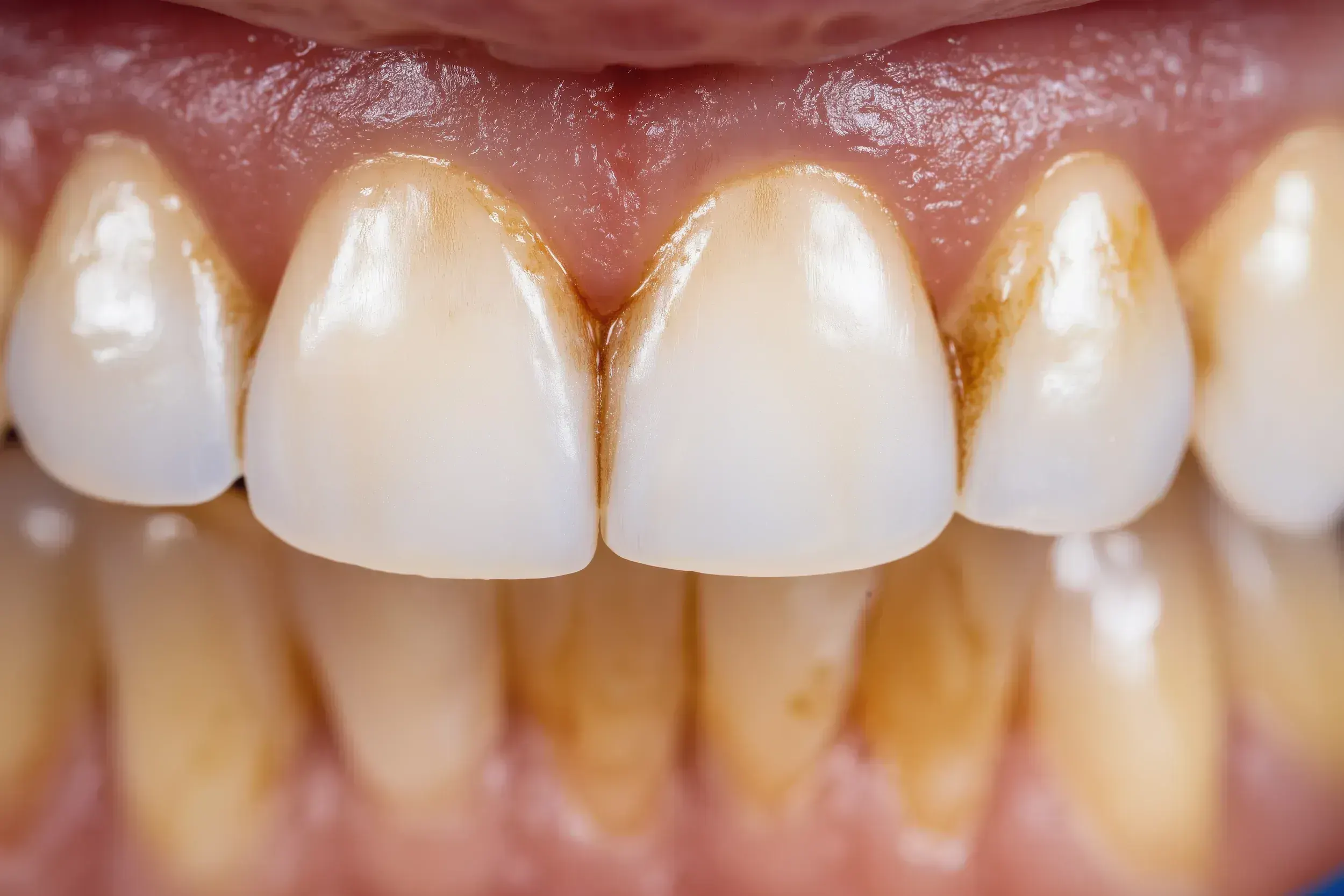
Tooth discoloration falls into two categories that behave very differently. Extrinsic staining sits on the enamel surface and comes from pigments in food, drink and tobacco. Intrinsic discoloration originates within the tooth structure and cannot be polished away.
Most people notice it gradually, then all at once in a photograph. The shade has drifted over a decade of coffee, and standing next to someone with brighter teeth makes it obvious in a way the bathroom mirror never did.
Which category you have determines whether whitening will work. Reviews of the discoloration literature describe both surface and internal mechanisms, and the two require different treatments, which is why an assessment comes before buying anything.
Why Teeth Turn Yellow
Understanding the Root Causes
01The Science
Enamel is translucent, and the dentine beneath it is naturally yellow. As enamel thins with age, acid exposure and abrasion, more of that underlying dentine shows through. This is the single largest reason teeth darken over decades, and no surface cleaning affects it.
Extrinsic staining works differently. Chromogens from coffee, tea, red wine and tobacco bind to the pellicle, the protein film covering enamel, and accumulate in the microscopic irregularities of the surface. This layer responds well to professional cleaning and to peroxide whitening.
Intrinsic discoloration is set into the tooth itself: tetracycline exposure during development, fluorosis, trauma that darkened a single tooth, or the changes that follow root canal treatment. These respond poorly or not at all to external bleaching, and dental veneers are usually the realistic answer.
02Deeper Understanding
Why Some Stains Bleach and Others Do Not
How Peroxide Actually Works
Peroxide whitening works by diffusing through enamel and breaking the double bonds in pigmented molecules held within the tooth structure. Smaller, lighter-reflecting fragments remain, so the tooth appears brighter. The process acts on organic chromogens, which is why yellow-brown staining responds best.
Grey-toned discoloration is a different problem. Tetracycline banding is incorporated into the mineral structure during development, and peroxide cannot reach or break it in the same way. Results in these cases are partial at best, and clinical decision-making reviews are clear about the limitation.
Restorations do not change at all. Crowns, veneers, bonding and composite fillings are made to a fixed shade, so whitening natural teeth around them can create a mismatch that only replacement resolves. This is why we sequence whitening before any cosmetic work rather than after.
Contributing Factors
What Accelerates Tooth Staining?
Identifying Your Triggers
Several factors darken teeth, and most patients have a combination of surface staining laid over gradual age-related change.
- Coffee, Tea and Wine
- Chromogens in these drinks bind to the protein film on enamel and build up over years.
- Tobacco and Vaping
- Tar and nicotine produce a deeper brown staining that resists ordinary brushing entirely.
- Enamel Thinning
- As enamel wears, the naturally yellow dentine underneath becomes progressively more visible.
- Acid Erosion
- Reflux, citrus and sports drinks soften and thin enamel, accelerating the same process.
- Trauma or Root Canal
- A single tooth can darken from within after injury or endodontic treatment.
- Developmental Causes
- Tetracycline exposure and fluorosis produce banding set into the structure during formation.
Is This You?
You May Be Experiencing Tooth Staining If...
The pattern of discoloration tells us a great deal about the cause, and therefore about what will actually work.
Overall Yellowing
The whole smile has drifted a few shades darker than it was in your twenties.
Stain at the Gumline
Discoloration concentrates near the gum and between teeth where brushing misses.
One Darker Tooth
A single tooth stands out, usually after trauma or root canal treatment.
Whitening Has Not Worked
Strips or kits have produced patchy or minimal change, suggesting intrinsic staining.
Bands or Mottling
Horizontal bands or white and brown mottling suggest a developmental cause.
Mismatched Restorations
An old crown or filling now looks a different shade from the teeth around it.
Treatment Options Comparison
Compare the treatments we offer for stained and yellow teeth, matched to whether the discoloration sits on the surface or within the tooth.
| Treatment | Best For | Session Time | Results Timeline | Maintenance |
|---|---|---|---|---|
| Dental Cleaning | Surface stain and buildup | 45-60 min | Immediate | Every 6 months |
| Guided Biofilm Therapy | Gentle stain removal on sensitive teeth | 45-60 min | Immediate | Every 6 months |
| Take-Home Teeth Whitening | Yellow-toned age and diet staining | 2-4 weeks | 3-5 days | Top up 1-2 times a year |
| Dental Veneers | Intrinsic staining that will not bleach | 2 visits | 2-3 weeks | Every 10-15 years |
Why Smile Brookline
Why Choose Smile Brookline for Stained Teeth Care in Brookline, MA
Expert Care in Brookline
At Smile Brookline, Dr. Sara Stock, DDS establishes what kind of discoloration you have before recommending anything, because selling whitening to a patient with tetracycline banding wastes their money.
Diagnosis First
We identify extrinsic, age-related and intrinsic staining before proposing a treatment.
Shade Documented
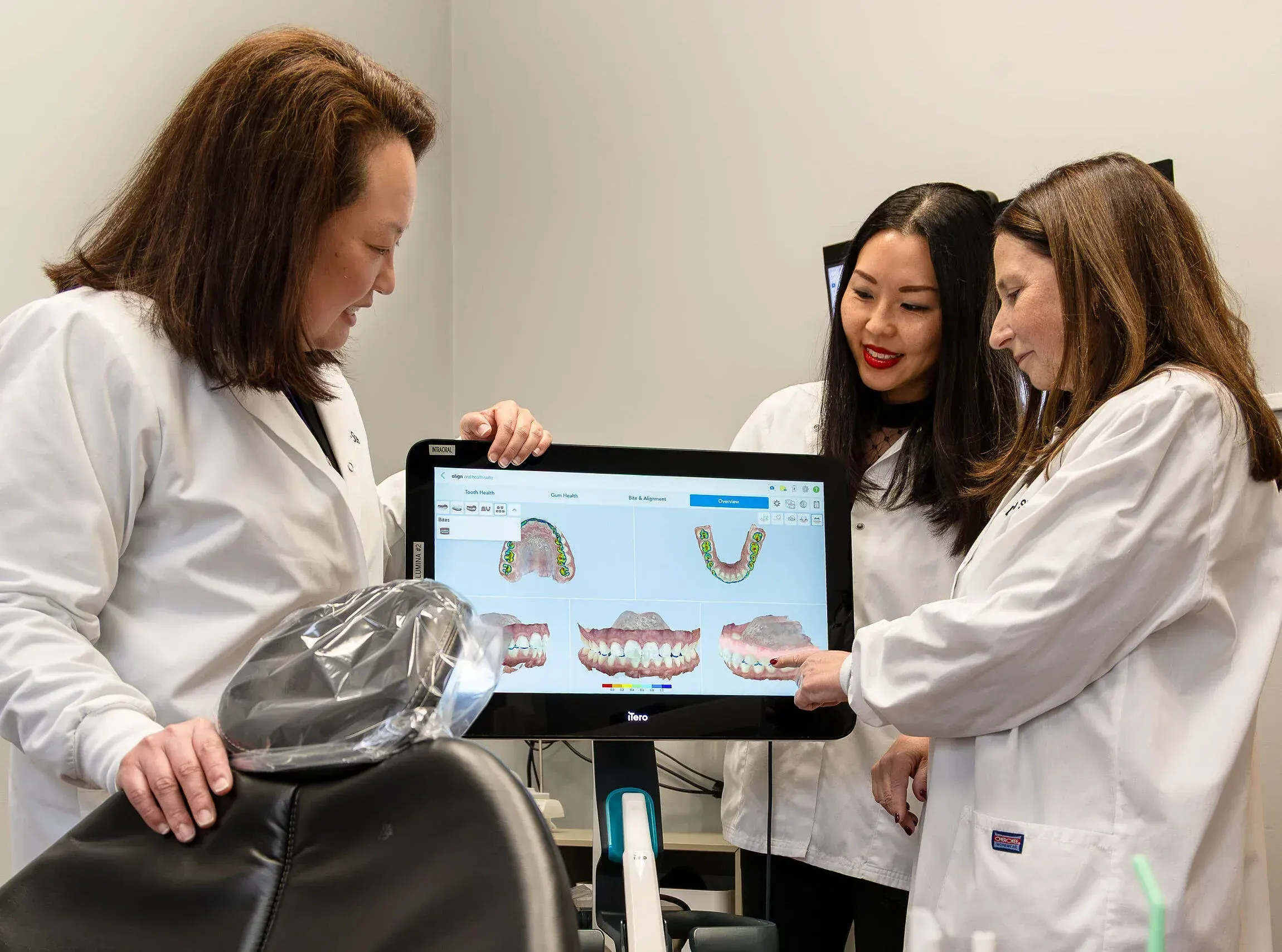
Starting shade is recorded so improvement is measured rather than remembered.
Custom Trays Only
Scan-made trays hold gel evenly and keep it off the gums, unlike generic strips.
Honest Limits
Where bleaching will not deliver, we say so and discuss veneers instead.
Cleaning Before Bleaching
Surface stain is removed with Guided Biofilm Therapy so the true shade is visible.
Veneers Planned In House
Where bleaching cannot reach, veneers and same-day crowns are made on Beacon Street.
Explore More
Dental Cleaning
Comfortable hygiene visits built around prevention rather than repair.
- Stops Gum Disease Early
- Fewer Fillings
- Immediate Freshness
Explore More
Guided Biofilm Therapy
Pain-free airflow cleaning that removes plaque and stains without scraping.
- Noticeably Gentler
- Safe on Restorations
- You See the Plaque
Explore More
Scaling and Root Planing
Deep cleaning that reaches below the gumline to stop infection.
- Avoids Surgery
- Measurable Result
- Stops Attachment Loss
Explore More
Dental Veneers
Custom porcelain veneers that correct shape, shade and spacing in two visits.
- Several Fixes at Once
- Stain Resistant
- Preview Before You Commit
Your Questions
Frequently Asked Questions
Can I prevent my teeth from staining further?
How do I know which treatment is right for me?
How quickly will my teeth look brighter?
Is yellowing normal as I age?
Can coffee and red wine really change tooth colour?
What can I do at home?
Can multiple treatments be combined?
When should I see a dentist about discoloration?
Get Started
Schedule Your Cosmetic Consultation
Scientific References
- Hattab FN et al., J Esthet Dent. (1999). Dental discoloration: an overview. PMID: 10825865.
- Kury M et al., Dent Mater. (2025). Clinical decision-making in tooth bleaching based on current evidence: A narrative review. PMID: 40082147.
- Llena C et al., J Esthet Restor Dent. (2020). Bleaching efficacy of at home 16% carbamide peroxide. A long-term clinical follow-up study. PMID: 31904193.
- American Dental Association. (2025). Evidence summary on tooth discoloration types and which stains respond to peroxide bleaching.