

Chipped Tooth Repair in Brookline, MA
- Common In:
- All ages
- Primary Causes:
- Grinding, trauma, erosion
- Treatment Time:
- 20-60 minutes
- Results:
- Same visit
Introduction
Fix it before the crack spreads

Understanding Tooth Damage
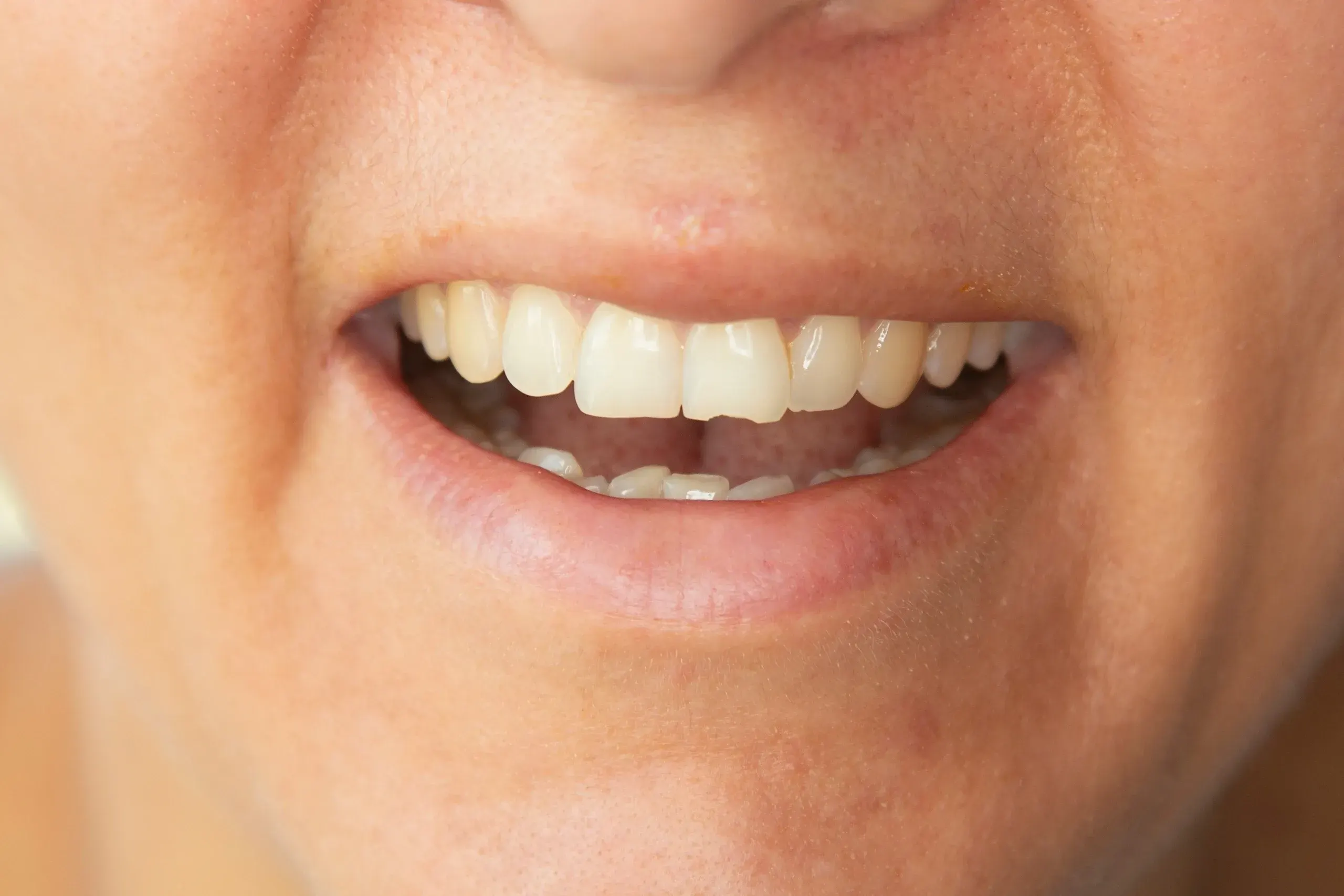
What Is a Chipped Tooth?
Recognising the Signs
A chipped tooth is an enamel or enamel-dentine fracture, a loss of hard tissue from the crown without exposure of the pulp. Larger fractures may involve dentine, and deeper ones expose the pulp, which changes the treatment entirely.
Sometimes it happens in an instant, with a fork or a fall. More often it appears without a memorable event: a corner of a front tooth catches the light differently, or your tongue finds a rough edge that was not there last week.
Patients frequently delay because it does not hurt. The problem is that a chip alters how force distributes through the tooth, and a small fracture line under load has a habit of becoming a larger one.
Why Teeth Chip and Crack
Understanding the Root Causes
01The Science
Enamel is the hardest tissue in the body but also brittle, which means it resists wear well and impact poorly. It relies on the dentine beneath for flexibility, and once that support is reduced by decay or a large restoration, the enamel above it fractures under loads it previously tolerated.
Most chips are the endpoint of a longer process rather than a single event. Grinding wears the biting edges thin over years, and by the time the tooth breaks on something soft, the structural work had already been done. This is why night guards are part of chip prevention, not only of jaw comfort.
Trauma accounts for the rest. Sports injuries, falls and impacts produce crown fractures in permanent teeth, and international guidelines from the dental trauma literature set out how these are classified and managed depending on depth and pulp involvement.
02Deeper Understanding
When a Chip Becomes a Crack
How Small Damage Progresses
A chip removes a piece of the structure that was distributing force across the tooth. What remains carries more load, and any micro-crack at the fracture margin becomes a stress concentration point where flexing repeats thousands of times a day.
Cracked tooth syndrome develops from that process: a sharp pain on releasing a bite, sensitivity to cold, and often nothing visible on an X-ray because the crack runs in the plane the image cannot show. Left long enough, the crack reaches the pulp or splits the tooth vertically, at which point extraction becomes the only option.
Exposed dentine also accelerates decay. Dentinal tubules run directly toward the pulp, so bacteria reach further and faster through a chipped surface than through intact enamel, which is why a cosmetic-looking chip is worth restoring promptly.
Contributing Factors
What Makes Teeth More Likely to Chip?
Identifying Your Triggers
Several factors weaken teeth long before the moment they break, and most chipped teeth have at least one of them in the background.
- Nighttime Grinding
- Repeated heavy loading thins the biting edges until an ordinary bite is enough to break them.
- Large Old Fillings
- A heavily restored tooth has thin remaining walls that flex and fracture under normal chewing.
- Acid Erosion
- Reflux, citrus and sports drinks soften enamel, leaving it far more prone to chipping.
- Trauma and Sport
- Falls, impacts and contact sport account for most sudden fractures of front teeth.
- Habits and Objects
- Chewing ice, biting nails and opening packaging with the teeth apply force enamel is not built for.
- Untreated Decay
- Decay undermines the dentine supporting the enamel above it, so the surface collapses.
Is This You?
You May Have a Chipped Tooth If...
Not every chip needs urgent treatment, but every chip should be assessed. These are the signs that bring patients in, and the ones that suggest more than enamel is involved.
A Rough Edge
Your tongue keeps finding a sharp or uneven edge that was not there before.
Visible Notch
A corner or edge of a front tooth looks squared off or shorter in photographs.
Pain on Releasing a Bite
A sharp twinge when you let go after biting down, which suggests a crack rather than a chip.
New Cold Sensitivity
One tooth reacts sharply to cold where it never did before, indicating exposed dentine.
Catching on the Lip
The rough edge is irritating your tongue, lip or cheek during the day.
A Dark Line
A visible line runs across the tooth surface, which may be a crack rather than staining.
Treatment Options Comparison
Compare the treatments we offer for chipped and cracked teeth, from small edge repairs to full-coverage protection.
| Treatment | Best For | Session Time | Results Timeline | Maintenance |
|---|---|---|---|---|
| Emergency Dentist | Acute breaks and pain | 30-60 min | Same visit | Definitive repair follows |
| Dental Fillings | Small chips and edge repairs | 20-60 min | Same visit | Every 5-10 years |
| Dental Veneers | Chipped front teeth and shape | 2 visits | 2-3 weeks | Every 10-15 years |
| Dental Crowns | Larger fractures on back teeth | 1-2 visits | Same visit to 3 weeks | Every 10-20 years |
Why Smile Brookline
Why Choose Smile Brookline for Chipped Tooth Care in Brookline, MA
Expert Care in Brookline
At Smile Brookline, a chipped tooth is treated as a question rather than just a repair: what weakened the tooth, and will the same force break the restoration we place? Dr. Sara Stock, DDS assesses both.
Cause Assessed
Grinding, erosion and bite forces are reviewed so the repair is not simply repeated later.
Full Range of Repairs
Bonding, veneers and crowns are all available, matched to how much tooth was lost.
Same-Day Options
Urgent appointments and single-visit CEREC crowns keep treatment to one trip where possible.
Honest Recommendation
Small chips are polished or bonded rather than escalated into unnecessary porcelain.
Saturday Appointments
The practice opens Saturday from 7:30am, so a broken edge does not wait for Monday.
Materials Not Rationed
Fee for service means the repair is chosen on merit rather than on an insurance limit.

Explore More
Dental Crowns
Durable, natural-looking crowns that protect and rebuild damaged teeth.
- Full Protection
- Natural Appearance
- Proven Longevity
Explore More
Same-Day Crowns
CEREC technology that designs, mills and places your crown in one visit.
- No Second Visit
- No Temporary Crown
- Numb Once
Explore More
Dental Fillings
Tooth-colored, metal-free fillings that blend with your natural smile.
- Invisible Repair
- Less Tooth Removed
- No Mercury
Explore More
Dental Veneers
Custom porcelain veneers that correct shape, shade and spacing in two visits.
- Several Fixes at Once
- Stain Resistant
- Preview Before You Commit
Your Questions
Frequently Asked Questions
Can I stop a chipped tooth from getting worse?
How do I know which repair is right for me?
How quickly should I be seen?
Is chipping normal as I get older?
Can grinding cause chipped teeth?
What can I do at home before my appointment?
Can multiple treatments be combined?
When should I worry that it is a crack, not a chip?
Get Started
Schedule Your Tooth Repair Consultation
Scientific References
- Bourguignon C et al., Dent Traumatol. (2020). International Association of Dental Traumatology guidelines for the management of traumatic dental injuries: 1. Fractures and luxations. PMID: 32475015.
- Levin L et al., Dent Traumatol. (2020). International Association of Dental Traumatology guidelines for the management of traumatic dental injuries: General introduction. PMID: 32472740.
- Abbott PV et al., Aust Dent J. (2023). Indications for root canal treatment following traumatic dental injuries to permanent teeth. PMID: 37908151.
- American Dental Association MouthHealthy. (2025). Patient guidance on chipped, cracked and broken teeth and what to do before reaching the office.