
Gum Disease Treatment in Brookline, MA
- Treatment Time:
- 1-2 visits
- Downtime:
- 1-3 days
- Maintenance:
- Every 3-4 months
- Led By:
- Periodontist

Periodontal Care
Gum disease treatment in Brookline, MA addresses the bacterial infection that inflames gum tissue and, left untreated, destroys the bone holding your teeth in place. We treat patients from Coolidge Corner, Brookline Village, Chestnut Hill, Newton, Allston and Brighton at every stage, from bleeding gums to advanced periodontitis.
Dr. Yumi Ogata, a board-certified periodontist and associate professor of periodontology at Tufts, leads periodontal care here alongside Dr. Sara Stock, DDS. Having a specialist in the practice means the transition from hygiene to surgical treatment happens without a referral, a wait or a new set of records.
The Challenge
What Gum Disease Treatment Stops Before It Is Too Late
Understanding Periodontitis
Understanding Your Treatment
What Is Gum Disease Treatment?
The Science of Periodontal Therapy
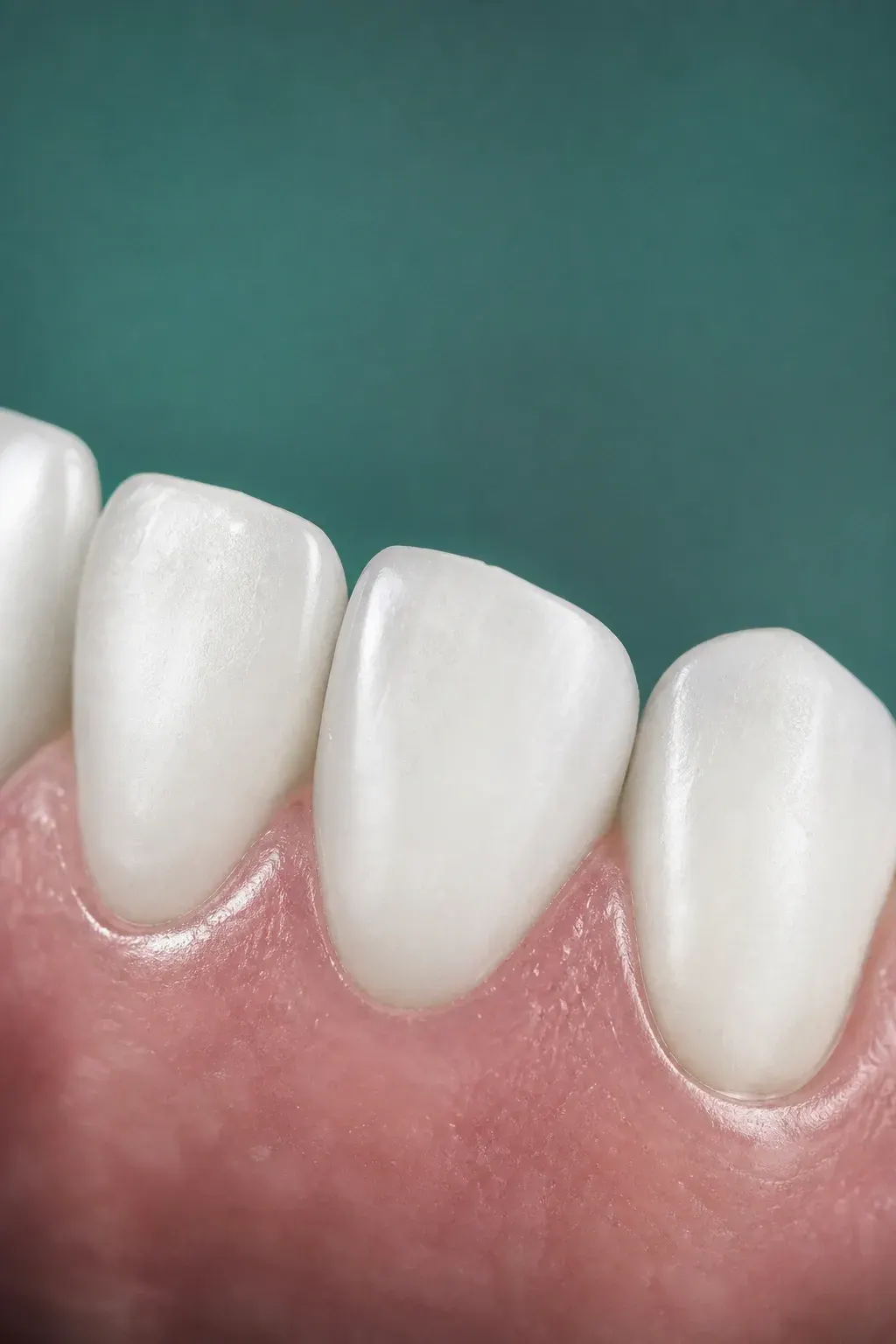
Gum disease treatment is the removal of bacterial biofilm and calculus from beneath the gumline, together with the management that keeps it from returning. Gingivitis, the reversible early stage, involves inflamed tissue without bone loss. Periodontitis is the advanced stage, where the immune response to the infection destroys the bone and ligament anchoring the tooth.
Treatment is staged. Non-surgical therapy cleans the root surfaces and allows the tissue to reattach, and most patients need nothing further. Where deep pockets persist, surgical access allows the root to be cleaned properly and the bone recontoured or regenerated. Maintenance visits every three to four months then hold the result.
Treatment Timeline:
- Treatment Time:
- 1 to 2 visits
- First Signs:
- 1 to 2 weeks
- Full Effect:
- 6 to 8 weeks
- Recovery:
- 1 to 3 days
What We Treat
Gum Disease Treatment Areas
Signs We Address
- Bleeding Gums
- Resolves the inflammation causing bleeding when you brush or floss
- Deep Pockets
- Reduces the space between tooth and gum where bacteria collect
- Bone Loss
- Halts the progressive destruction of bone supporting the teeth
- Persistent Bad Breath
- Removes the subgingival bacteria producing the odour
- Loose Teeth
- Stabilises mobility caused by loss of periodontal attachment
- Gum Recession
- Treats the infection driving tissue loss around the roots
Benefits of Gum Disease Treatment
Keep the teeth you have
Gum Disease Treatment vs. Alternatives
Treatment intensity is matched to pocket depth and bone loss. The periodontal chart decides, not the symptoms you notice.
| Treatment | Mechanism | Time | Results | Duration | Downtime | Best For |
|---|---|---|---|---|---|---|
| Gum Disease Treatment | Staged periodontal therapy | 1-2 visits | 1-2 weeks | Stable with maintenance | 1-3 days | Diagnosed gingivitis and periodontitis |
| Scaling and Root Planing | Deep cleaning below gumline | 2 visits | 2-6 weeks | 3-4 months per cycle | 1-2 days | Moderate pockets, non-surgical stage |
| Periodontal Surgery | Access flap and recontouring | 60-90 min | 6-8 weeks | Long term | 5-10 days | Deep pockets that persist after cleaning |
| Routine Cleaning | Above-gumline prophylaxis | 45-60 min | Immediate | About 6 months | None | Healthy gums with no attachment loss |








Is This Right for You
Who Is a Good Candidate for Gum Disease Treatment?
Knowing When to Act
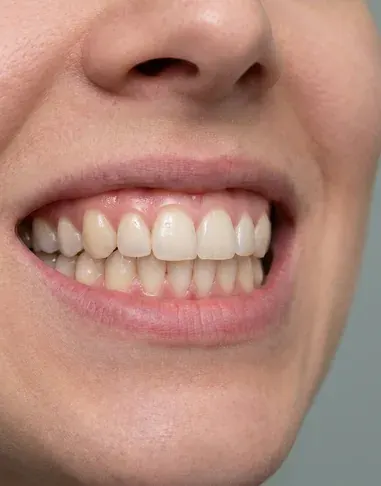
Anyone with bleeding gums should be assessed, because bleeding is the earliest reliable sign and the stage at which the condition is still fully reversible. A full periodontal chart, not an impression of how the gums look, decides what treatment is needed.
You Should Be Assessed If You Have
- Gums that bleed when brushing or flossing, even occasionally
- Red, swollen or tender gum tissue that does not settle
- Persistent bad breath or an unpleasant taste that mouthwash only masks
- Gums that have receded, making teeth appear longer
- Any tooth that feels loose, or a bite that has subtly changed
- A family history of gum disease, diabetes, or a smoking history
Who Needs Additional Planning
- Patients with uncontrolled diabetes, where periodontal and glycaemic control affect each other
- Anyone on anticoagulants, where bleeding management is planned in advance
- Pregnant patients, since hormonal changes amplify the inflammatory response
- Smokers, who respond less well to treatment and need cessation support alongside it
Where recession has already exposed root surfaces, gum grafting for receding gums may follow once the infection is controlled. Patient information on gum disease is published by the National Institute of Dental and Craniofacial Research.
Your Experience
What Happens During Gum Disease Treatment
Step-by-Step Process
Charting
Six measurements per tooth record pocket depth, recession, bleeding and mobility.
Diagnosis
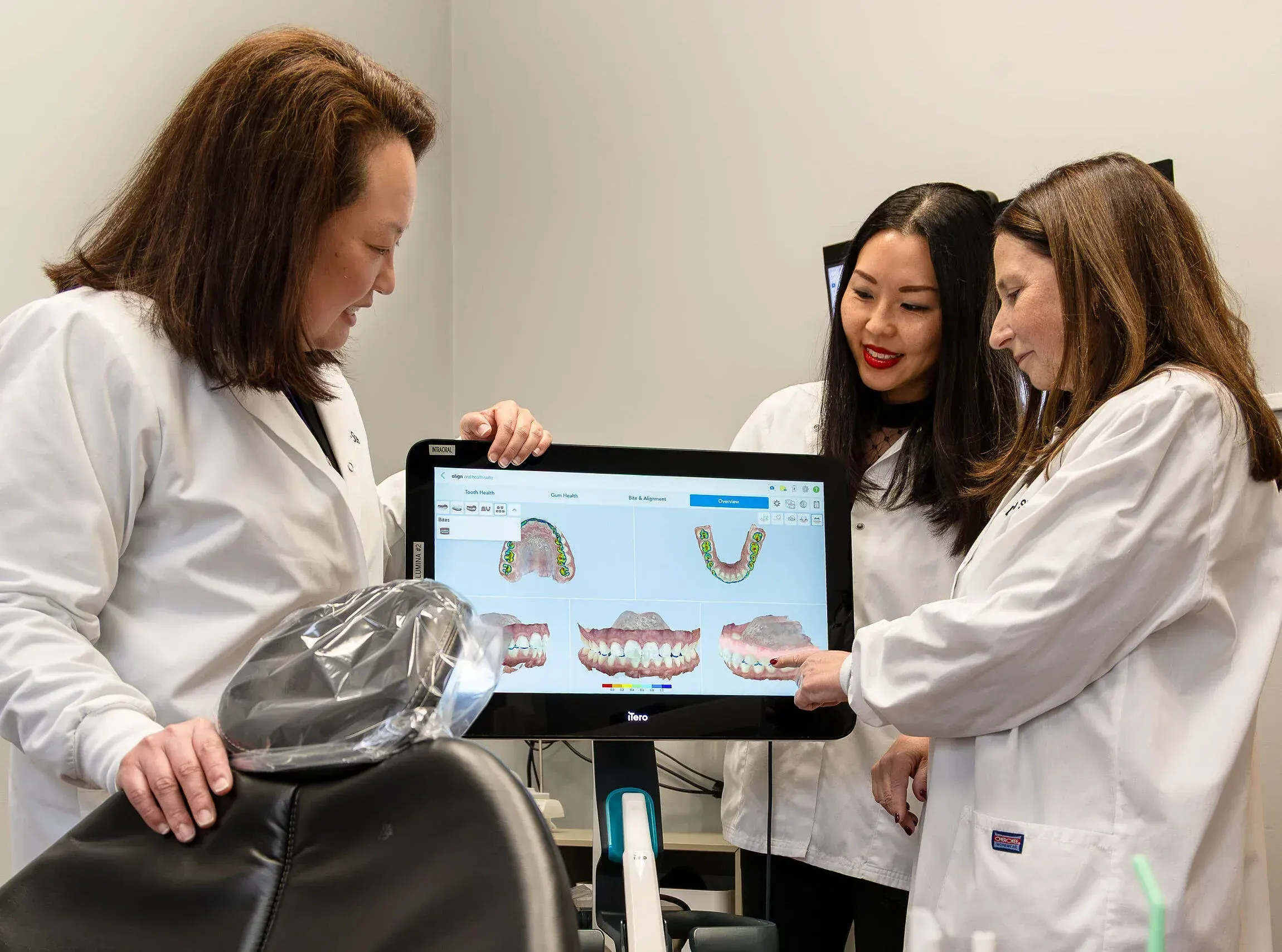
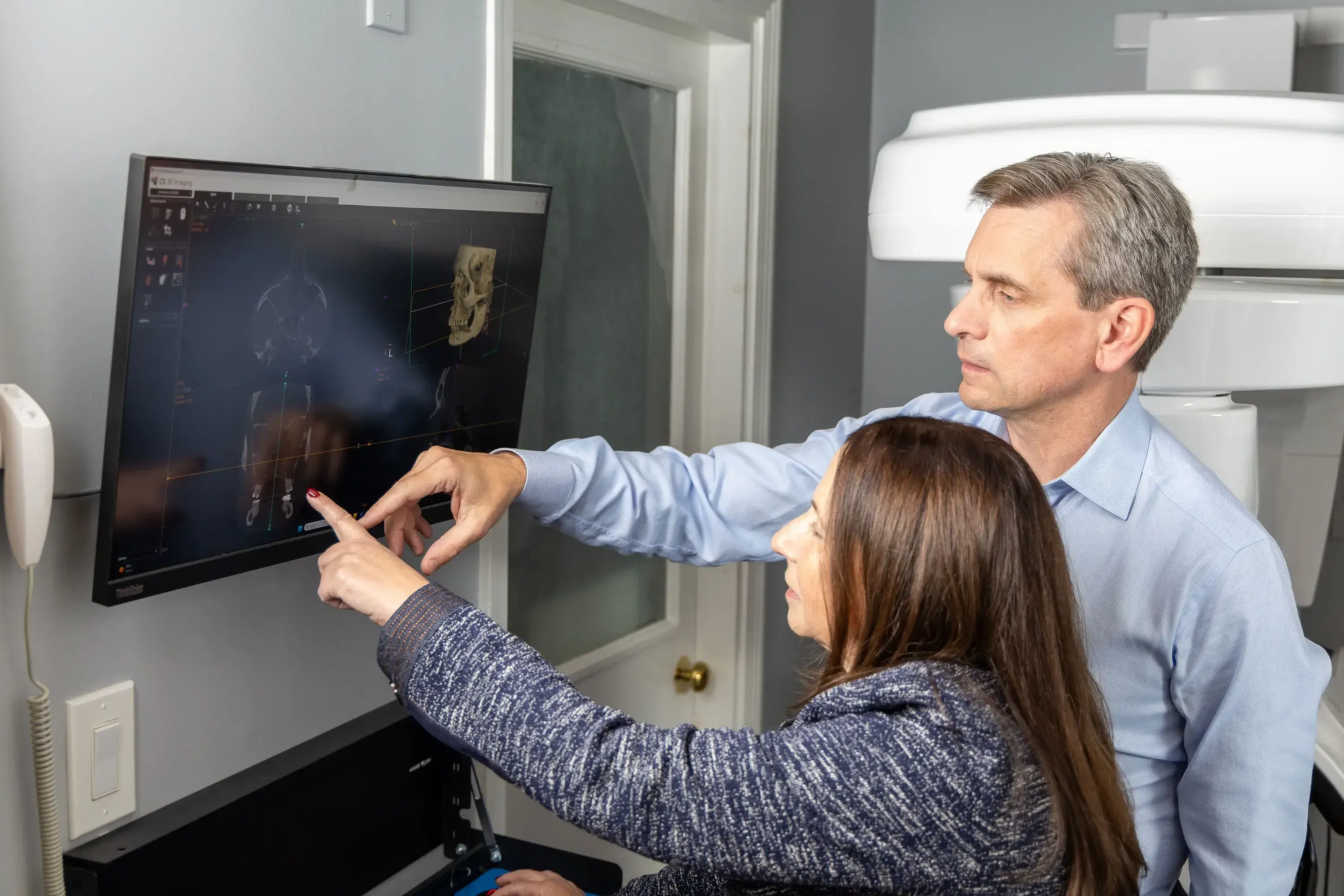
Dr. Ogata stages the disease using the chart and X-rays showing bone levels.
Non-Surgical Therapy
Root surfaces are cleaned below the gumline under local anaesthetic, usually across two visits.
Re-Evaluation
Pockets are re-measured at six to eight weeks to confirm how the tissue responded.
Maintenance
You move to a three or four month recall, with surgery considered only where pockets persist.
Risks and Side Effects
What to Know
Common Side Effects of Periodontal Treatment
Gum tenderness and mild bleeding for one to three days is normal after deep cleaning. Teeth often become temporarily sensitive to cold once tartar that was insulating exposed root surfaces is removed. Both usually settle within a couple of weeks.
Expected Changes You Should Know About
As inflammation resolves, swollen tissue shrinks back to its true position, which can make existing recession more visible and open small spaces between teeth. This is healing rather than deterioration, but patients are often surprised by it, so we explain it in advance. Slight increases in tooth mobility during early healing are also common and typically improve.
Safety and Systemic Considerations
Periodontal inflammation interacts with general health, and treatment is coordinated with medical care where diabetes or cardiovascular disease is present. Tell us about anticoagulants, bisphosphonates, immunosuppression, pregnancy and smoking. Patient information is published by the National Institute of Dental and Craniofacial Research.
Investment
Gum Disease Treatment Cost in Brookline
Pricing and Payment Options
How Much Does Gum Disease Treatment Cost in Brookline?
Cost depends on the stage. Treating gingivitis may require little beyond a thorough cleaning and improved home care. Moderate periodontitis is usually treated with scaling and root planing by quadrant, and advanced cases may need surgical access. Nationally, scaling and root planing commonly runs $200 to $450 per quadrant, with periodontal surgery quoted individually. You receive a written plan after charting.
Insurance and Flexible Payment Options
Periodontal treatment is a medical necessity rather than an elective procedure, and most dental plans cover a meaningful share. Smile Brookline is fee-for-service and submits claims to all major commercial carriers on your behalf.
- Cherry - monthly payment plans, apply at pay.withcherry.com/smilebrookline
- HSA and FSA funds - accepted for periodontal therapy and maintenance
The Smile Brookline Difference
Why Choose Smile Brookline for Gum Disease Treatment in Brookline
Beacon Street Since 1992
Dr. Yumi Ogata is a board-certified periodontist who teaches periodontology at Tufts and treats patients here, which means diagnosis, non-surgical therapy, surgery and maintenance all happen in one place. Dr. Sara Stock, DDS coordinates the restorative side, so treatment sequencing does not fall between two offices.
Periodontist On Site
Dr. Ogata diagnoses and treats without an outside referral
Full Charting
Six-point pocket measurements recorded and tracked over time
Staged Approach
Non-surgical therapy first, surgery only where it is needed
Maintenance Built In
Three to four month recall protocol that holds the result
Tufts Faculty
Dr. Ogata teaches periodontology at Tufts and treats here
Restorative Coordinated
Dr. Stock sequences crowns and implants around the therapy
Explore More
Scaling and Root Planing
Deep cleaning that reaches below the gumline to stop infection.
- Avoids Surgery
- Measurable Result
- Stops Attachment Loss
Explore More
Gum Grafting
Restore receding gums and protect exposed tooth roots.
- Sensitivity Relief
- Stops Progression
- Protects the Root
Explore More
Dental Cleaning
Comfortable hygiene visits built around prevention rather than repair.
- Stops Gum Disease Early
- Fewer Fillings
- Immediate Freshness
Explore More
Guided Biofilm Therapy
Pain-free airflow cleaning that removes plaque and stains without scraping.
- Noticeably Gentler
- Safe on Restorations
- You See the Plaque
Common Questions
Frequently Asked Questions About Gum Disease Treatment
How much does gum disease treatment cost in Brookline, MA?
How long does gum disease treatment take?
Does gum disease treatment hurt?
When will my gums stop bleeding?
How often will I need periodontal maintenance?
What is the difference between gingivitis and periodontitis?
Can gum disease be cured?
Will I lose teeth from gum disease?
Does smoking affect gum disease treatment?
Is gum disease linked to other health conditions?
Get Started
Book Your Gum Evaluation
References
- Suvan J et al., J Clin Periodontol. (2020). Subgingival instrumentation for treatment of periodontitis. A systematic review. PMID: 31889320.
- Simpson TC et al., Cochrane Database Syst Rev. (2022). Treatment of periodontitis for glycaemic control in people with diabetes mellitus. PMID: 35420698.
- Manresa C et al., Cochrane Database Syst Rev. (2018). Supportive periodontal therapy (SPT) for maintaining the dentition in adults treated for periodontitis. PMID: 29291254.
- National Institute of Dental and Craniofacial Research. (2024). Overview of gingivitis and periodontitis, warning signs, and the goals of professional treatment.