
Dental Crowns in Brookline, MA
- Treatment Time:
- 2 visits
- Downtime:
- 1-2 days
- Results Last:
- 10-20 years
- Metal-Free:
- Available
Rebuild and Protect
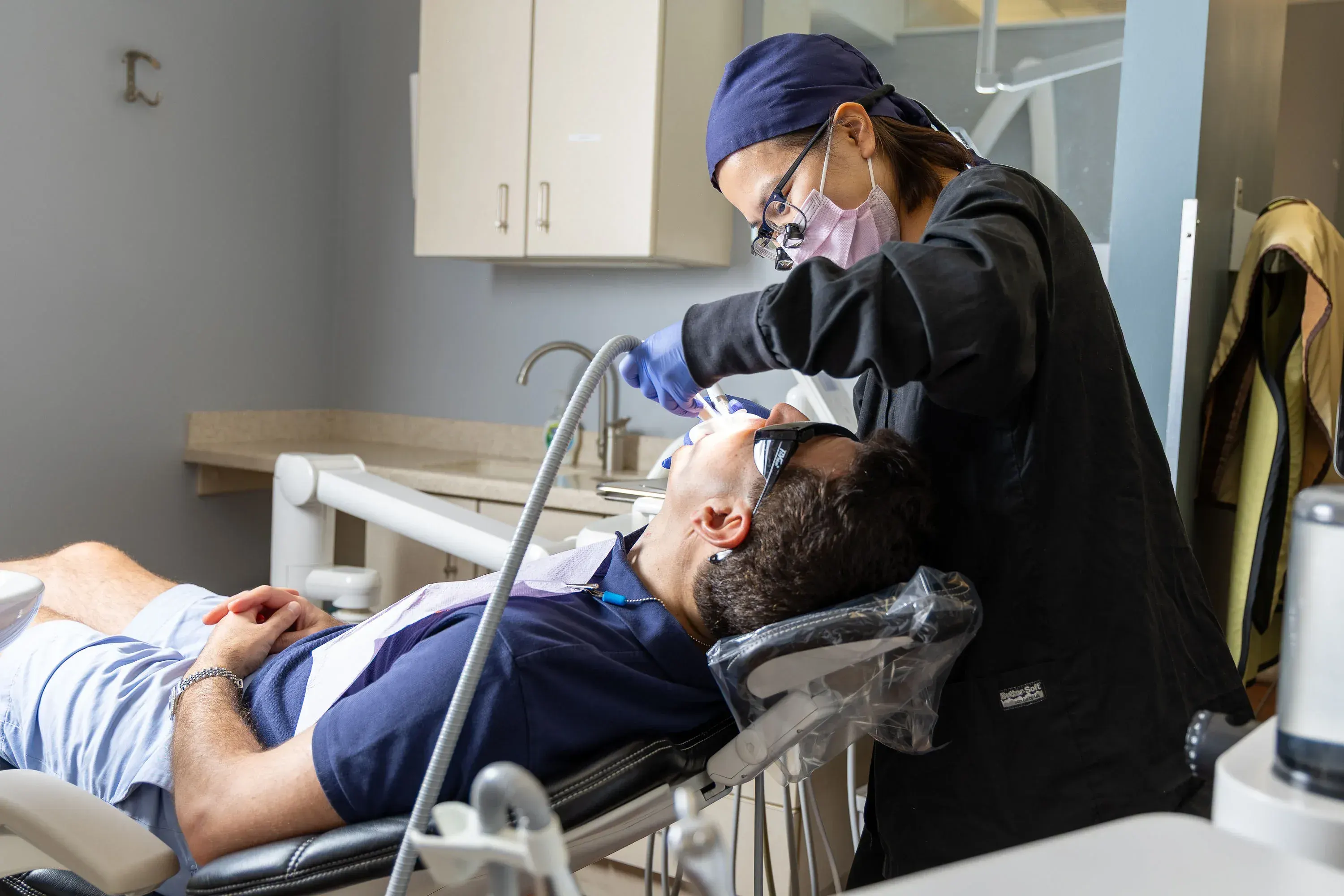
Dental crowns in Brookline, MA are custom caps that cover a damaged tooth completely, holding it together and restoring its shape, strength and appearance. We restore teeth for patients across Brookline, Coolidge Corner, Brookline Village, Chestnut Hill, Newton and Brighton. A crown is what we recommend when a filling would no longer be enough.
Dr. Sara Stock, DDS has been placing crowns since 1989 and plans each one around how your bite actually works, not just how the tooth looks. Material choice matters here: zirconia, lithium disilicate and layered porcelain all behave differently under load, and choosing correctly is the difference between a crown that lasts a decade and one that lasts twenty years.
The Challenge
When a Filling Is No Longer Enough for Dental Crowns
Understanding Structural Loss
Understanding Your Treatment
What Are Dental Crowns?
The Science of Full-Coverage Restoration
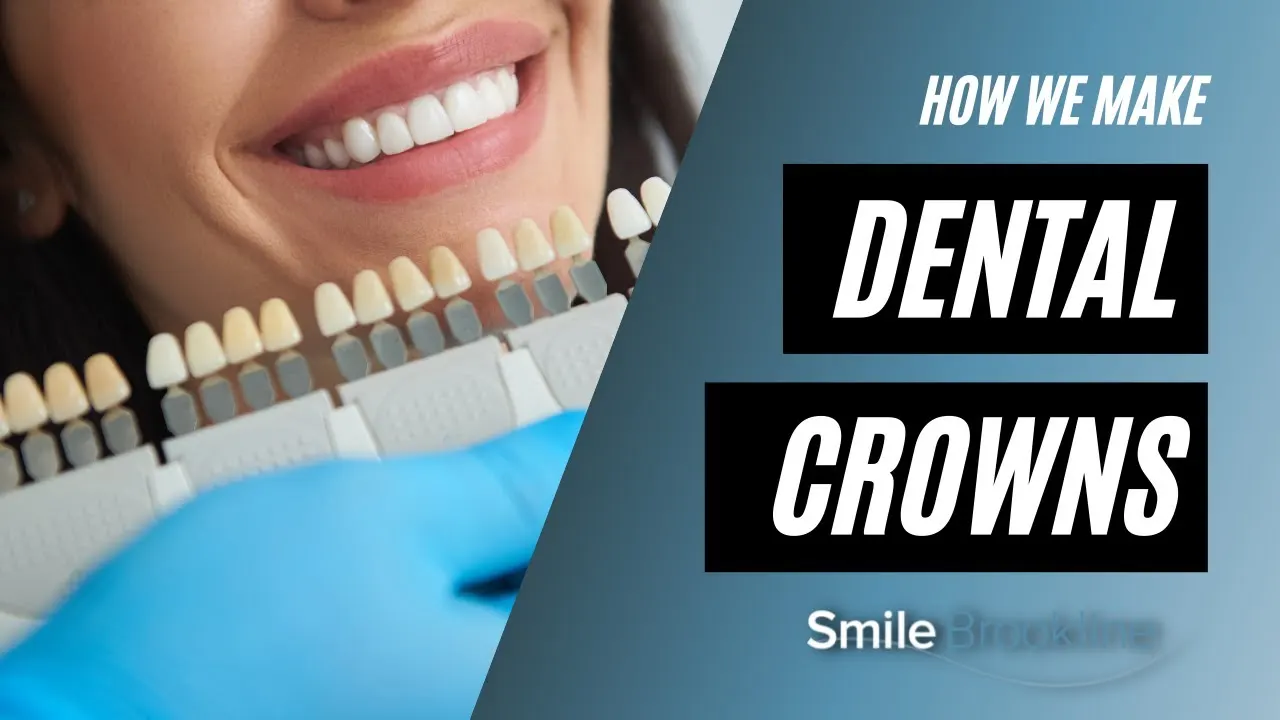
A dental crown is a custom-made cap that covers the entire visible portion of a tooth above the gumline. It is cemented into place permanently and becomes the new chewing surface. Crowns are made from zirconia, lithium disilicate, layered porcelain or gold alloy, and the choice depends on where the tooth sits, how hard you bite and how visible it is.
Preparation removes a shell of tooth structure, roughly one to two millimetres, so the crown can sit flush without making the tooth bulky. An impression or digital scan captures the shape, and the crown is fabricated to fit the prepared margin precisely. A well-sealed margin is what keeps bacteria out, which is why fit matters more than material for long-term survival.
Treatment Timeline:
- Treatment Time:
- 60 to 90 minutes
- First Signs:
- Same visit
- Full Effect:
- 2 to 3 weeks
- Recovery:
- 1 to 2 days
What We Treat
Dental Crown Treatment Areas
Teeth a Crown Can Save
- Fractured Molars
- Holds a cracked or broken back tooth together under chewing load
- Heavily Filled Teeth
- Replaces oversized old fillings that have undermined the tooth
- After Root Canal
- Protects a brittle treated tooth from splitting later on
- Severely Worn Teeth
- Rebuilds height on teeth flattened by years of grinding
- Large Decay
- Restores teeth where too little healthy structure remains to fill
- Implant Restorations
- Forms the visible tooth on top of a placed dental implant
Benefits of Dental Crowns
Strength you can chew on
Dental Crowns vs. Alternatives
The right restoration depends on how much healthy tooth is left. These are the options we weigh at the exam.
| Treatment | Mechanism | Time | Results | Duration | Downtime | Best For |
|---|---|---|---|---|---|---|
| Dental Crown | Full-coverage cap | 2 visits | 2-3 weeks | 10-20 years | 1-2 days | Cracked, heavily filled or root-treated teeth |
| Dental Filling | Direct composite repair | 30-60 min | Same visit | 5-10 years | None | Small to moderate cavities |
| Inlay or Onlay | Partial lab-made coverage | 2 visits | 2-3 weeks | 10-15 years | 1-2 days | Moderate loss with strong walls left |
| Extraction and Implant | Tooth replaced entirely | 3-6 months | Staged | 20+ years | 3-7 days | Teeth beyond structural repair |





Is This Right for You
Who Is a Good Candidate for Dental Crowns?
Finding Your Best Restoration
A crown is the right answer when enough healthy tooth remains to support one, but not enough to survive without it. That judgement comes from the exam and X-ray, not from how the tooth feels.
Ideal Candidates for Dental Crowns
- Teeth with a fractured cusp or a visible crack under load
- Teeth where an old, oversized filling has left thin remaining walls
- Teeth that have had root canal therapy and need protection from splitting
- Molars worn flat by bruxism, where height and function must be rebuilt
- Patients with healthy gums and enough tooth structure above the bone
Who Should Wait or Choose Another Option
- Patients with untreated gum disease, who need gum disease treatment before restorative work
- Teeth with only small or moderate decay, better served by tooth-coloured fillings
- Teeth with a fracture extending below the bone, which usually cannot be restored predictably
- Patients with uncontrolled grinding, until a night guard is in place to protect the new crown
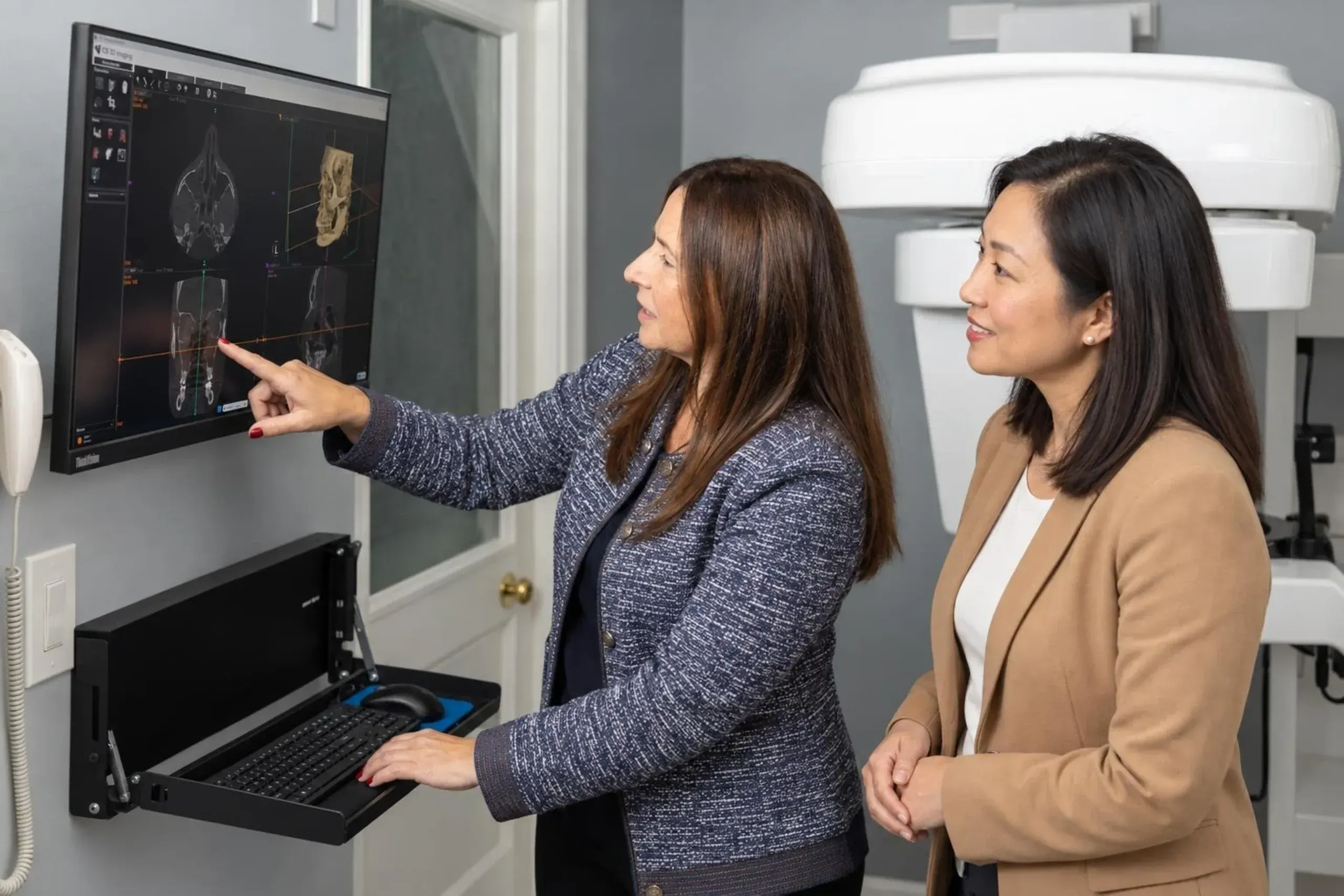
If too little tooth sits above the gumline to hold a crown, crown lengthening can expose more structure first. Patient guidance on crowns is published by the American Dental Association.
Your Experience
What Happens During Dental Crown Treatment
Step-by-Step Process
Assessment
Dr. Stock reviews the X-ray, tests the tooth and confirms a crown is the right restoration.
Preparation
Under local anaesthetic, the tooth is shaped to make room for the crown's thickness.
Impression
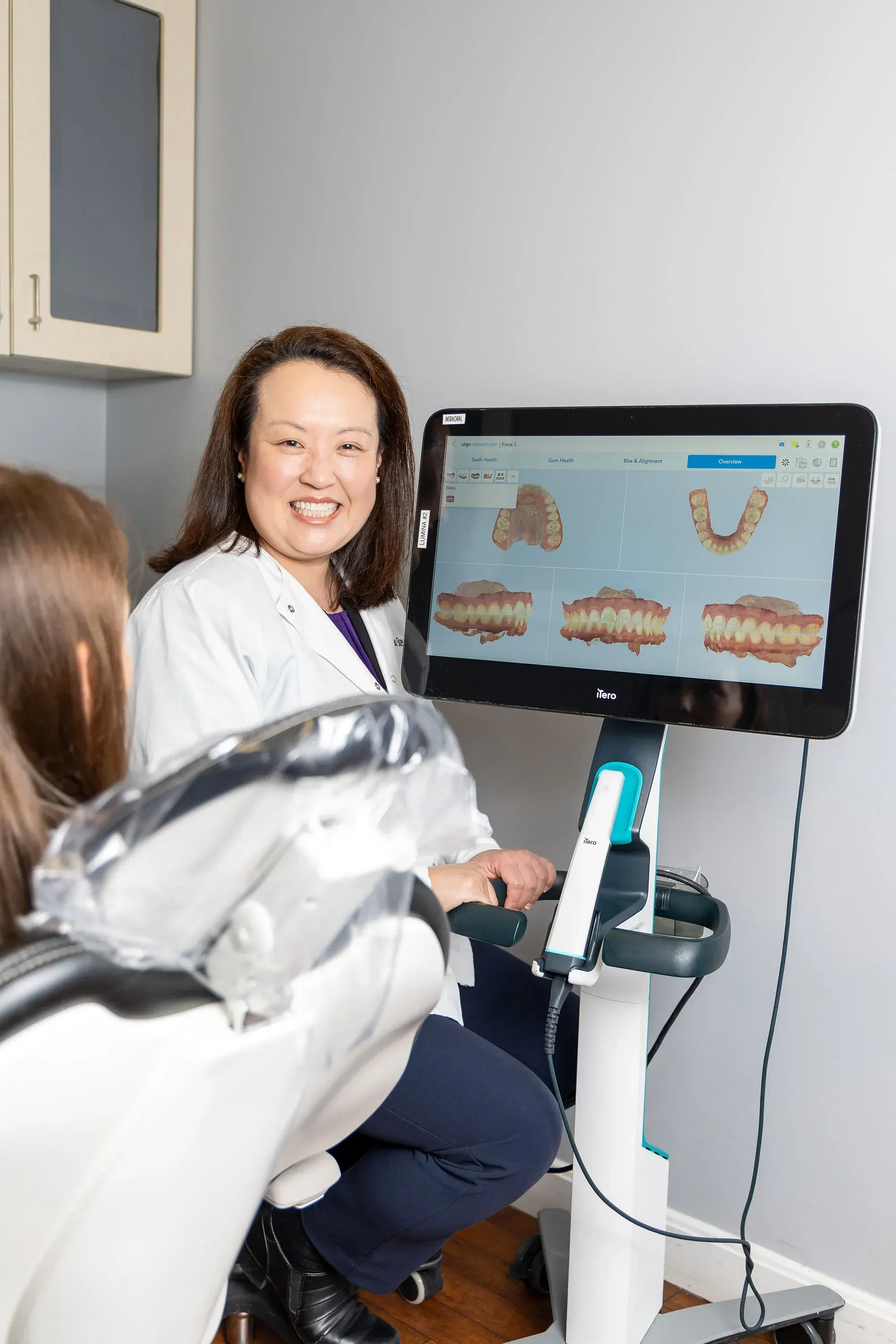
A digital scan or impression captures the prepared margin and your opposing bite.
Fitting
The finished crown is tried in, the contacts and bite are adjusted, then it is cemented.
Review
We check the margin and occlusion again once the tissue has settled.
Risks and Side Effects
What to Know
Common Dental Crown Side Effects
Temperature sensitivity for one to three weeks after preparation is the most frequent experience, as the tooth's nerve responds to being reshaped. Gum tenderness around the margin and a brief sense that the bite feels unfamiliar are also normal, and both usually settle within days.
Less Common Complications
A small proportion of prepared teeth develop irreversible pulp inflammation and later need root canal treatment, which is more likely on teeth that were already heavily restored. Porcelain can chip under heavy grinding forces, and cement washout at the margin allows decay to start underneath. Both are usually detected early at routine hygiene visits, which is one reason recalls matter after restorative work.
Safety and Long-Term Care
A crown does not make the underlying tooth immune to decay: the margin is still a natural tooth surface and needs daily flossing. Patients who grind should wear a night guard to protect the ceramic. Tell us about jaw pain, clicking or morning headaches, because a crown placed into an unstable bite rarely lasts as long as it should.
Real Results
A crowned tooth looks and functions like a natural one from the day it is cemented, and most patients stop noticing it within a week. Gum tissue around the margin settles over two to three weeks, which is when the restoration looks its most natural. Longevity depends on your bite, home care and whether grinding is controlled. Individual results vary.

Before
After
Representative example: individual results vary.
Investment
Dental Crown Cost in Brookline
Pricing and Payment Options
How Much Does a Dental Crown Cost in Brookline?
Crown fees vary with the material, the position of the tooth and whether the core underneath needs rebuilding first. Nationally, single crowns commonly range from about $1,000 to $2,500 per tooth, and a tooth needing a build-up, post or crown lengthening sits at the higher end. We examine the tooth, show you the X-ray and give you a written figure before any preparation begins.
Insurance and Flexible Payment Options
Smile Brookline is a fee-for-service practice, so we recommend the restoration your tooth actually needs rather than the one a plan prefers. We submit claims to all major commercial dental insurance carriers on your behalf, and most plans contribute toward crowns after a waiting period.
- Cherry - monthly payment plans, apply at pay.withcherry.com/smilebrookline
- HSA and FSA funds - accepted for crowns and supporting treatment
The Smile Brookline Difference
Why Choose Smile Brookline for Dental Crowns in Brookline
Beacon Street Since 1992
Dr. Sara Stock, DDS has restored teeth since 1989 and takes bite analysis seriously, because a crown that is even slightly high becomes a source of jaw pain rather than relief. With airway and TMJ care in the same practice, we can tell whether a fractured tooth is bad luck or the visible edge of a grinding habit.
Bite-Led Planning
Occlusion checked and adjusted so the crown does not overload
Material Matched
Zirconia, lithium disilicate or porcelain chosen per tooth
Grinding Assessed
We look for the clenching that broke the tooth in the first place
Surgery In House
If the tooth cannot be saved, implant care stays with our team
Same-Day Option
CEREC milling on site when a single visit suits you better
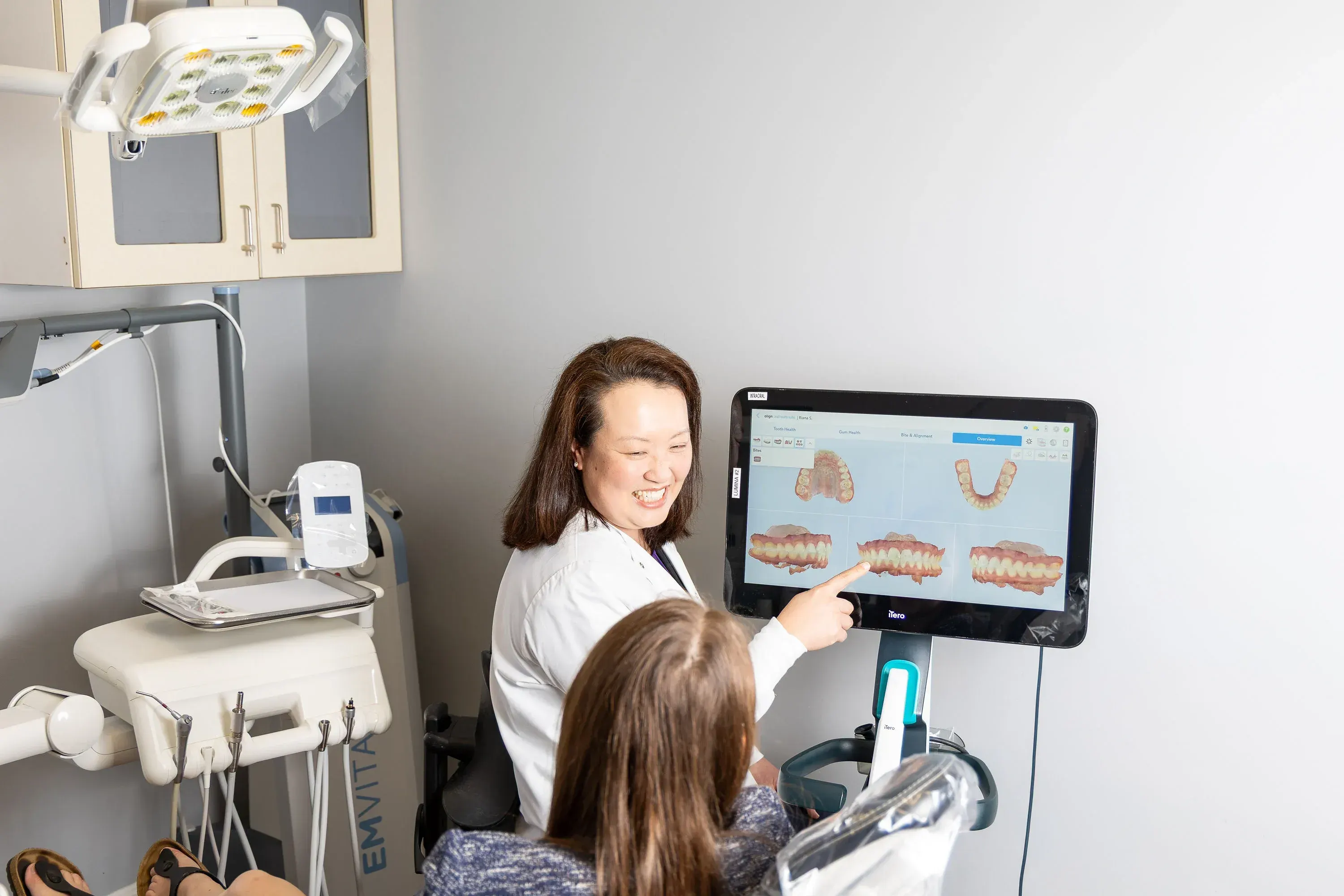
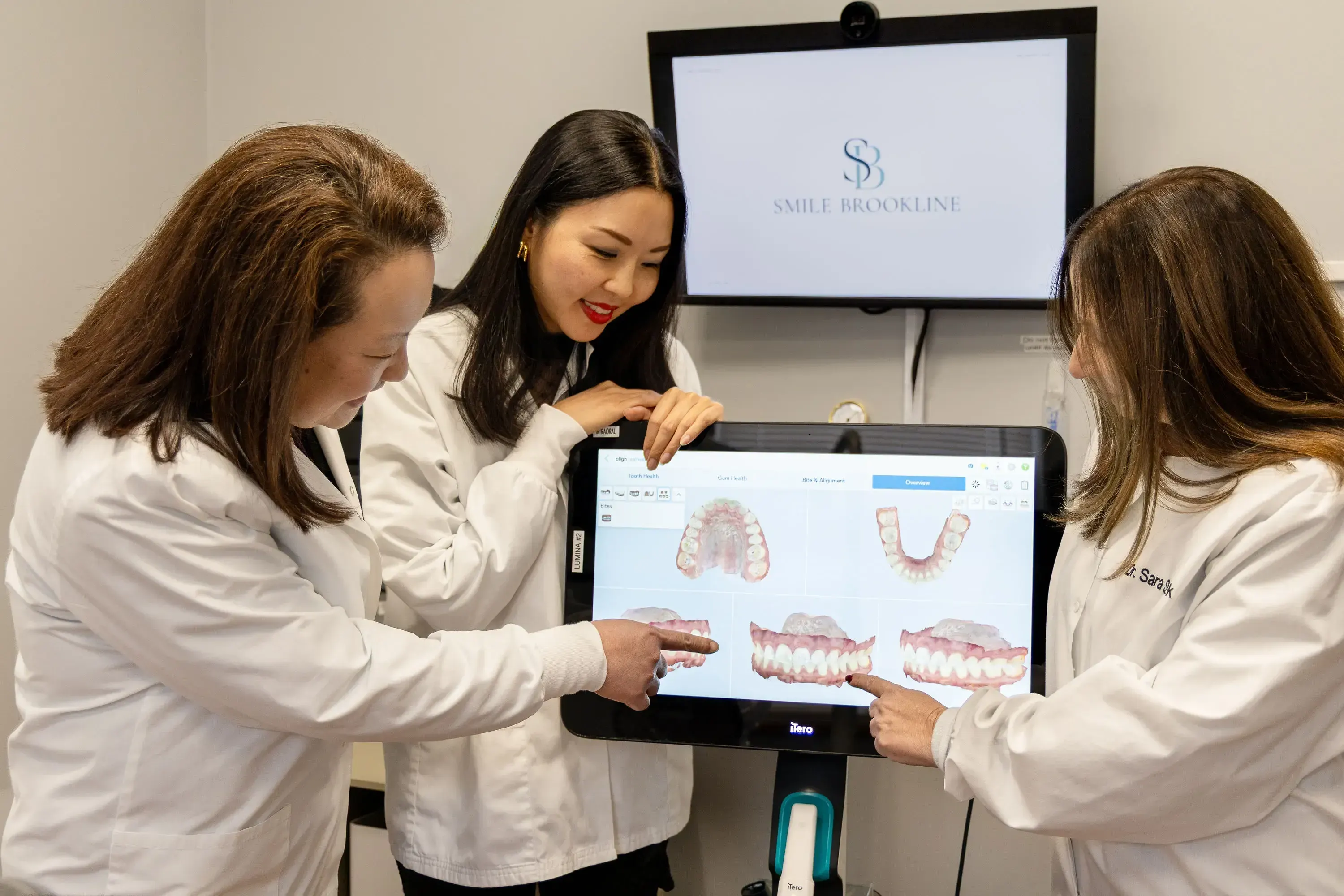
Digital Scanning
Optical impressions instead of trays and setting material

Explore More
Same-Day Crowns
CEREC technology that designs, mills and places your crown in one visit.
- No Second Visit
- No Temporary Crown
- Numb Once
Explore More
Dental Fillings
Tooth-colored, metal-free fillings that blend with your natural smile.
- Invisible Repair
- Less Tooth Removed
- No Mercury
Explore More
Implant-Supported Dentures
Secure dentures that stay put without adhesive.
- No Adhesive Needed
- Stronger Bite
- Preserves Jawbone
Explore More
Dental Bridges
Fill the gap and restore your bite without surgery.
- No Surgery Needed
- Fixed in Place
- Faster Than Implants
Common Questions
Frequently Asked Questions About Dental Crowns
How much does a dental crown cost in Brookline, MA?
How long do dental crowns last?
Does getting a crown hurt?
How many visits does a crown take?
What is the difference between a crown and a filling?
Which crown material is best?
Can a crowned tooth still get a cavity?
Will the crown match my other teeth?
Do I need a night guard with a crown?
Can men and women of any age have crowns?
Get Started
Schedule Your Crown Consult
References
- Pjetursson BE et al., Clin Oral Implants Res. (2018). A systematic review of the survival and complication rates of zirconia-ceramic and metal-ceramic single crowns. PMID: 30328190.
- Leitão CIMB et al., J Prosthodont Res. (2022). Clinical performance of monolithic CAD/CAM tooth-supported zirconia restorations: systematic review and meta-analysis. PMID: 34615842.
- Sailer I et al., Dent Mater. (2015). All-ceramic or metal-ceramic tooth-supported fixed dental prostheses (FDPs)? A systematic review of the survival and complication rates. Part I: Single crowns (SCs). PMID: 25842099.
- American Dental Association MouthHealthy. (2025). Patient overview of when a crown is indicated and how crowned teeth are maintained.