
Gum Grafting in Brookline, MA
- Treatment Time:
- 60-90 minutes
- Downtime:
- 7-14 days
- Results:
- Long term
- Performed By:
- Periodontist
Soft Tissue Surgery
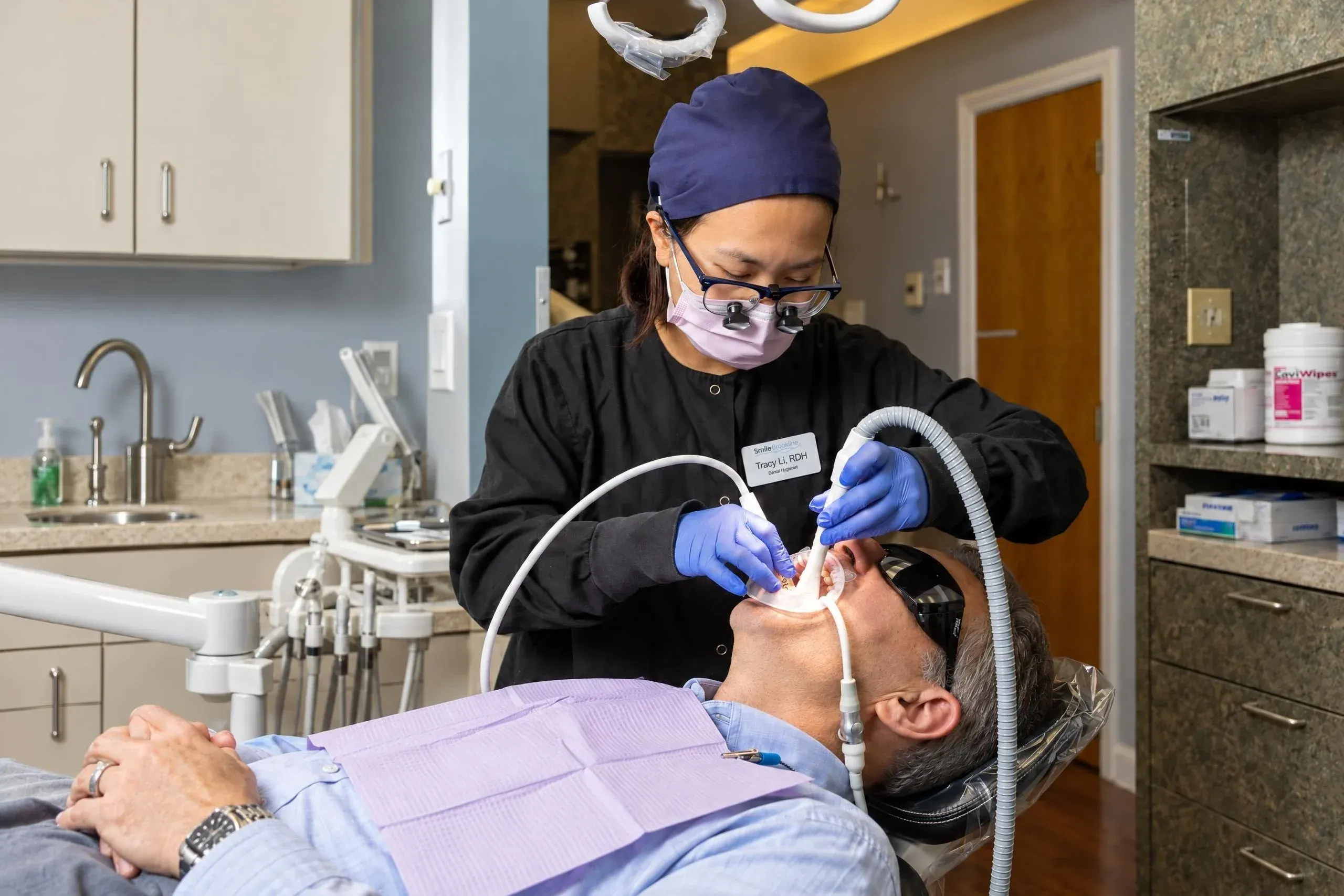
Gum grafting in Brookline, MA rebuilds gum tissue that has receded, covering exposed root surfaces and restoring a stable band of attached tissue around the tooth. Patients from Coolidge Corner, Brookline Village, Chestnut Hill, Newton, Allston and Brighton come to us when recession has started to hurt or to show.
Dr. Yumi Ogata, a board-certified periodontist and associate professor of periodontology at Tufts, performs all soft tissue grafting here, including connective tissue grafts and root coverage procedures. Her academic focus is tissue regeneration, and she works with Dr. Sara Stock, DDS where restorations sit near the treated margin.
The Challenge
What Gum Grafting Stops When Gums Recede
Understanding Root Exposure
Understanding Your Treatment
What Is Gum Grafting?
The Science of Root Coverage
Gum grafting, or gingival grafting, is periodontal surgery that adds soft tissue where the gum has receded. The most widely used technique is the subepithelial connective tissue graft, in which a thin layer of tissue is taken from beneath the surface of the palate and placed over the exposed root under a repositioned flap.
Once secured, the graft establishes a blood supply from the surrounding tissue and integrates over several weeks. Alternatives include free gingival grafts, which thicken tissue without necessarily covering the root, and acellular dermal matrix, a processed donor material that avoids a second surgical site on the palate.
Treatment Timeline:
- Treatment Time:
- 60 to 90 minutes
- First Signs:
- 2 to 3 weeks
- Full Effect:
- 3 to 6 months
- Recovery:
- 7 to 14 days
What We Treat
Gum Grafting Treatment Areas
What Grafting Restores
- Exposed Tooth Roots
- Covers root surface left uncovered as the gum receded
- Root Sensitivity
- Reduces the cold and touch sensitivity of an exposed root
- Thin Gum Tissue
- Thickens a fragile biotype that is prone to further recession
- Progressive Recession
- Stabilises tissue before more attachment is lost
- Root Surface Decay Risk
- Protects softer root dentine from decay and abrasion
- Uneven Gum Margins
- Restores symmetry where one tooth has receded further
Benefits of Gum Grafting
Coverage that lasts
Gum Grafting vs. Alternatives
Recession that is stable and symptom-free can sometimes be monitored. Progressive or sensitive recession needs coverage.
| Treatment | Mechanism | Time | Results | Duration | Downtime | Best For |
|---|---|---|---|---|---|---|
| Connective Tissue Graft | Tissue from palate placed over root | 60-90 min | 2-3 weeks | Long term | 7-14 days | Root coverage with best long-term evidence |
| Donor Matrix Graft | Processed donor tissue used instead | 60-90 min | 2-3 weeks | Long term | 5-10 days | Avoiding a second palatal surgical site |
| Desensitising Treatment | Varnish or bonding on the root | 10-20 min | Days | 3-6 months | None | Sensitivity relief without coverage |
| Monitoring | Measure and observe over time | At recall | Not applicable | Not applicable | None | Stable recession with no symptoms |



Is This Right for You
Who Is a Good Candidate for Gum Grafting?
Deciding When to Cover
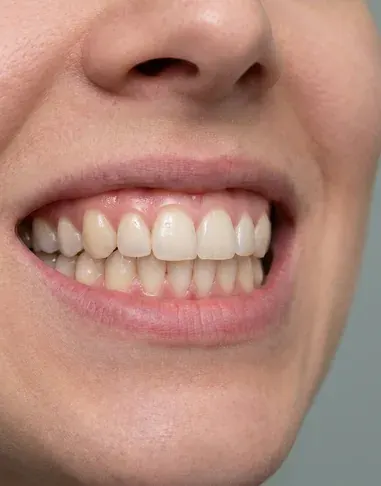
Not all recession needs surgery. Stable, symptom-free recession with adequate attached tissue can often be monitored. Grafting is indicated where the recession is progressing, causing symptoms, or threatening the long-term prognosis of the tooth.
Ideal Candidates for Gum Grafting
- Patients with root sensitivity that desensitising treatment has not resolved
- Anyone whose recession has measurably progressed between recall appointments
- Patients with thin gum tissue and little attached gingiva around a tooth
- People with root surface decay or notching from abrasion at the gumline
- Patients bothered by the appearance of a tooth that looks noticeably longer
Who Should Address Something Else First
- Patients with active periodontal disease, who need gum disease treatment before elective grafting
- Anyone whose recession is driven by aggressive brushing, until technique is corrected
- Patients with untreated grinding, where a night guard should protect the result
- Smokers, since healing and graft survival are measurably poorer
- Patients with recession caused by tooth position, where alignment may need addressing first
Grafting corrects the damage but not the cause, so we identify what drove the recession before operating. Patient information on gum disease and recession is published by the National Institute of Dental and Craniofacial Research.
Your Experience
What Happens During Gum Grafting Treatment
Step-by-Step Process
Assessment
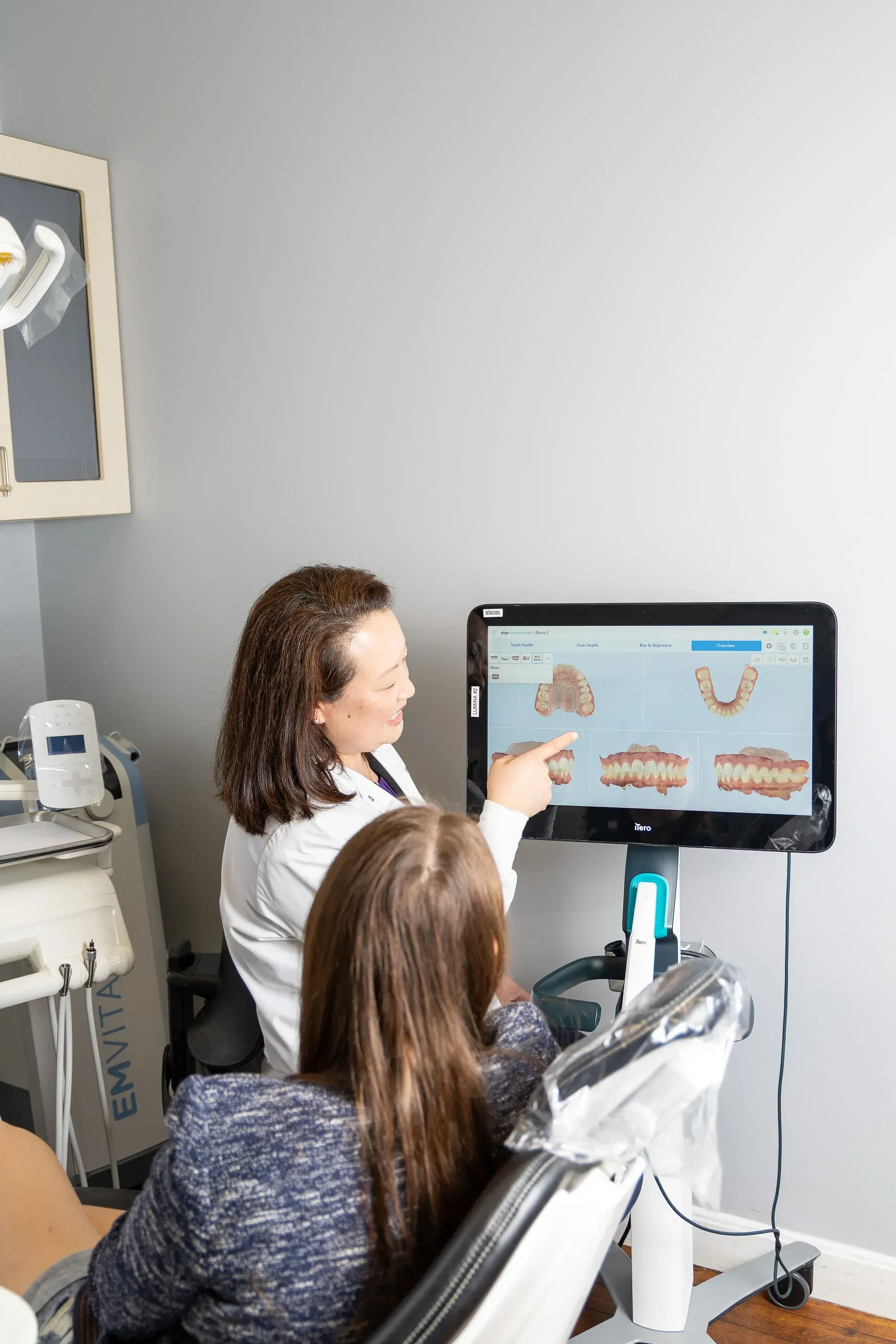
Dr. Ogata measures recession depth, tissue thickness and the width of attached gingiva.
Anaesthetic
Local anaesthetic numbs both the recipient site and the palate if tissue is taken there.
Harvest
A thin connective tissue layer is taken from beneath the palate surface, or donor matrix is used.
Placement
The graft is positioned over the exposed root and secured under a repositioned flap.
Healing Review
Sutures are checked at one to two weeks, with maturation reviewed over three to six months.
Risks and Side Effects
What to Know
Common Gum Grafting Side Effects
Swelling and discomfort for seven to fourteen days is expected, and the palatal donor site is often more uncomfortable than the graft site itself. Bruising, mild bleeding in the first day and a temporary white appearance to healing tissue are all normal.
Less Common Complications
Partial graft failure or incomplete root coverage occurs in a minority of cases and is more likely with deeper recession, thin tissue or smoking. Colour and texture can differ slightly from the surrounding gum, particularly with free gingival grafts. Bleeding from the palatal donor site occasionally needs review, and infection is uncommon but possible.
Safety and Long-Term Stability
Grafting corrects damage but does not remove the cause, so aggressive brushing, grinding or an unfavourable tooth position must be addressed or recession recurs. Tell us about anticoagulants, bisphosphonates, diabetes and smoking. Guidance on periodontal health is published by the National Institute of Dental and Craniofacial Research.
Investment
Gum Grafting Cost in Brookline
Pricing and Payment Options
How Much Does Gum Grafting Cost in Brookline?
Grafting is priced per site, and treating several adjacent teeth in one surgery is more economical per tooth than treating them separately. Whether tissue is harvested from your palate or a donor matrix is used also affects the fee. Nationally, gum grafting commonly ranges from about $600 to $1,800 per site. You receive a written figure after Dr. Ogata has assessed the recession.
Insurance and Flexible Payment Options
Grafting performed for sensitivity, root protection or progressive recession is a functional procedure, and many dental plans contribute. Purely aesthetic root coverage is less consistently covered. Smile Brookline submits claims to all major commercial carriers on your behalf.
- Cherry - monthly payment plans, apply at pay.withcherry.com/smilebrookline
- Staged surgery - multiple sites can be treated across separate appointments where preferred
The Smile Brookline Difference
Why Choose Smile Brookline for Gum Grafting in Brookline
Beacon Street Since 1992
Dr. Yumi Ogata performs all grafting here. She is a board-certified periodontist, an associate professor of periodontology at Tufts and a recipient of the American Academy of Periodontology award for outstanding teaching in the specialty. Root coverage is technique-sensitive surgery, and it is worth having a specialist do it.
Board-Certified Periodontist
All soft tissue grafting performed by Dr. Ogata
Technique Options
Connective tissue, free gingival and donor matrix available
Cause Addressed
Brushing technique, grinding and alignment reviewed alongside surgery
Coordinated Restorative
Dr. Stock plans any restoration sitting near the new margin
Teaching Award Winner
AAP award for outstanding teaching in periodontology
Fee for Service
Technique chosen on merit, not on what a plan reimburses

Explore More
Gum Disease Treatment
Stop bleeding, swelling and bone loss before you lose a tooth.
- Stops Bone Loss
- Bleeding Resolves
- Fresher Breath
Explore More
Scaling and Root Planing
Deep cleaning that reaches below the gumline to stop infection.
- Avoids Surgery
- Measurable Result
- Stops Attachment Loss
Explore More
Night Guards
Custom occlusal splints that protect your teeth and ease jaw tension while you sleep.
- Precise Fit
- Protects Investment
- Thin and Comfortable
Explore More
Dental Cleaning
Comfortable hygiene visits built around prevention rather than repair.
- Stops Gum Disease Early
- Fewer Fillings
- Immediate Freshness
Common Questions
Frequently Asked Questions About Gum Grafting
How much does gum grafting cost in Brookline, MA?
How long does gum grafting take to heal?
Does gum grafting hurt?
Will the graft cover the root completely?
How long do gum grafts last?
What is the difference between gum grafting and gum contouring?
Can men and women of any age have gum grafting?
Do you have to take tissue from my palate?
Will my gums recede again after grafting?
Can I have grafting if I have gum disease?
Get Started
Book Your Recession Assessment
References
- Chambrone L et al., J Periodontol. (2022). Does the subepithelial connective tissue graft in conjunction with a coronally advanced flap remain as the gold standard therapy for the treatment of single gingival recession defects? A systematic review and network meta-analysis. PMID: 35451068.
- Cairo F et al., J Clin Periodontol. (2020). Aesthetic-And patient-related outcomes following root coverage procedures: A systematic review and network meta-analysis. PMID: 32654220.
- Barootchi S et al., J Periodontol. (2020). Gingival phenotype modification therapies on natural teeth: A network meta-analysis. PMID: 32392401.
- National Institute of Dental and Craniofacial Research. (2024). Overview of periodontal disease and recession, including when surgical correction is considered.