
Crooked Teeth Treatment in Brookline, MA
- Common In:
- Teens and adults
- Primary Causes:
- Arch width, genetics, drift
- Treatment Time:
- 6-18 months
- Results:
- 4-6 weeks onward
Introduction
Straightening options that fit your life
Understanding Alignment
What Causes Crooked Teeth?
Recognising the Signs
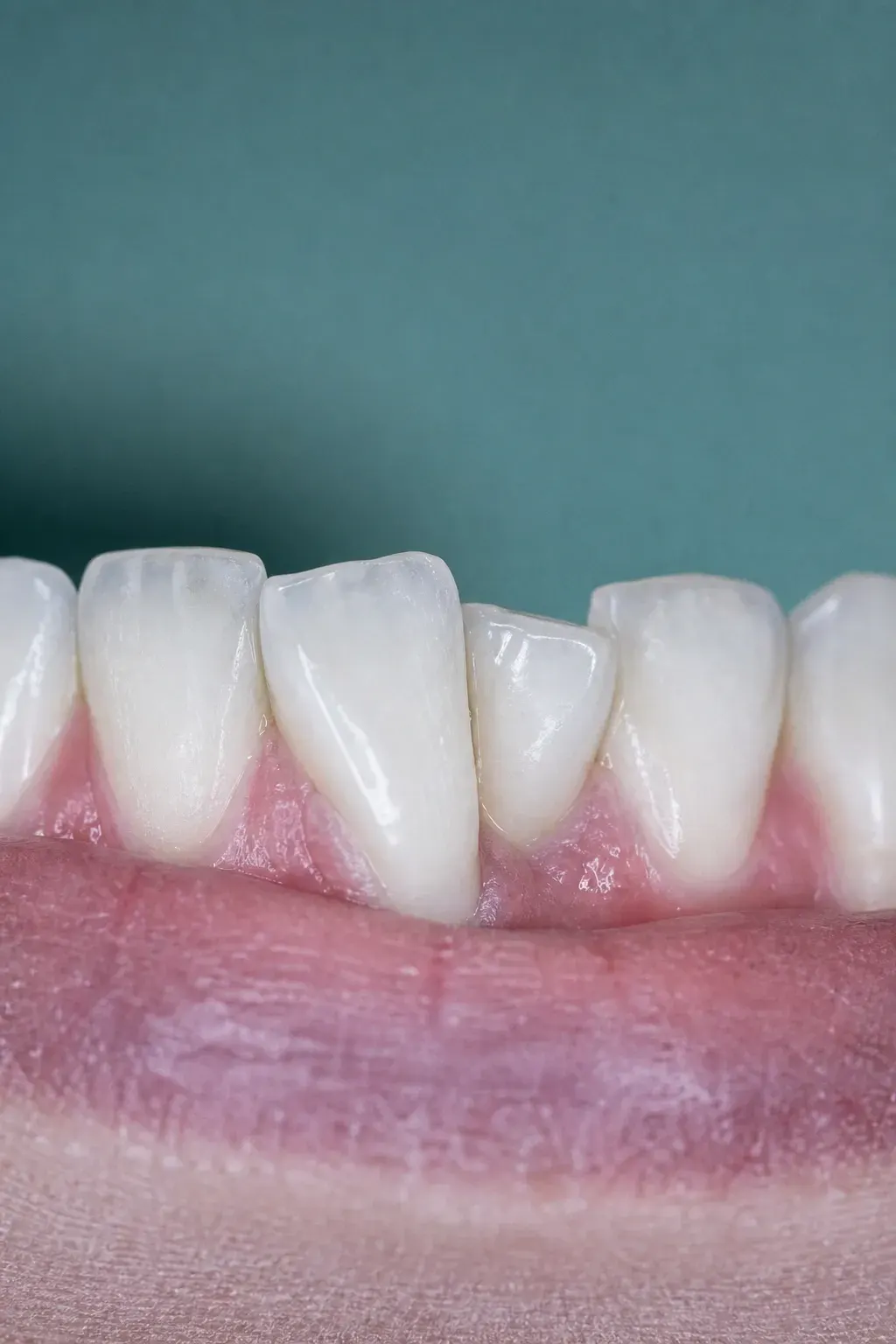
Crooked teeth, clinically malocclusion, describes teeth that are crowded, rotated, spaced or biting in a relationship other than the intended one. Crowding is the most common form in adults, and it is fundamentally a mismatch between tooth size and the space available in the arch.
Most adults notice the lower front teeth first, because crowding there tends to increase gradually through the twenties and thirties. A tooth that was slightly turned becomes clearly turned, and the change shows in photographs before it shows in the mirror.
Alignment is not only cosmetic. Crowded teeth are harder to clean, and studies have examined the relationships between malocclusion and temporomandibular symptoms, so the functional side is worth assessing alongside the appearance.
Why Teeth Become Crooked
Understanding the Root Causes
01The Science
Arch size is largely determined during growth, and the tongue plays a central role in shaping it. A tongue resting against the palate applies gentle outward pressure that helps the upper arch develop to its full width. A low tongue posture, usually caused by mouth breathing, removes that influence and the arch develops narrower.
That is why crowding and disrupted breathing so often appear together in the same patient. Reviews of craniofacial development in children with sleep-disordered breathing describe this relationship, and it is the basis of the pediatric airway work this practice is known for.
In adults, teeth also continue to drift. Late lower incisor crowding is common regardless of whether braces were worn as a teenager, and losing a tooth accelerates it as the neighbours tip toward the space. Retention after any orthodontic treatment is what prevents relapse.
02Deeper Understanding
Why Crowding Matters Beyond Appearance
How Alignment Affects Long-Term Health
Overlapping teeth create surfaces a brush cannot reach and floss struggles to pass. Plaque accumulates in those spaces, and the inflammation that follows is the starting point of gum disease. Patients with significant crowding often have localised areas of chronic bleeding that never fully resolve.
Uneven contacts distribute chewing force unevenly. Certain teeth take more load than they were designed for, which accelerates wear and increases fracture risk. Where clenching is also present, the combination is considerably more destructive than either factor alone.
Straightening addresses both, which is why alignment is often the first stage of a wider plan. Correcting position with Invisalign clear aligners before any porcelain means far less enamel needs removing for the final restorations.
Contributing Factors
What Makes Teeth Become Crooked?
Identifying Your Triggers
Several factors determine how much space the teeth have and whether they stay where they were placed.
- Narrow Dental Arch
- An arch that developed narrower than the teeth require leaves them competing for space.
- Mouth Breathing in Childhood
- Low tongue posture removes the outward pressure that helps the upper jaw develop fully.
- Genetics
- Tooth size and jaw size are inherited independently, so a mismatch can be purely familial.
- Late Lower Crowding
- Lower incisors continue to crowd through adulthood even after previous orthodontic treatment.
- Tooth Loss
- Neighbouring teeth tip toward an unfilled space, shifting the whole arch relationship.
- No Retainer Wear
- Teeth relapse toward their original positions when retention stops after treatment.
Is This You?
You May Be Experiencing Crooked Teeth If...
These are the signs that alignment is affecting more than appearance, and worth assessing rather than living with.
Overlapping Front Teeth
Lower or upper front teeth overlap in a way that has become more noticeable over time.
Floss Keeps Shredding
Floss catches or tears in the same tight contact every time you use it.
One Area Always Bleeds
Gums bleed persistently around crowded teeth despite good brushing elsewhere.
Uneven Wear
One or two teeth show visibly more wear on their edges than their neighbours.
Relapse After Braces
Teeth have drifted since teenage orthodontic treatment because retention stopped.
A Guarded Smile
You angle your face or close your lips in photographs because of how the teeth line up.
Treatment Options Comparison
Compare the ways we address crooked teeth, from moving them properly to changing how they look.
| Treatment | Best For | Session Time | Results Timeline | Maintenance |
|---|---|---|---|---|
| Invisalign | Actually moving crowded teeth | 6-18 months | 4-6 weeks | Retainer nightly for life |
| Dental Veneers | Minor alignment plus shape and shade | 2 visits | 2-3 weeks | Every 10-15 years |
| Smile Makeover | Combining alignment with cosmetic work | 6 weeks to 12 months | Staged | Reviewed at recalls |
| Pediatric Airway | Children whose arch is still developing | 12-24 months | 2-3 months | Reviewed every few months |
Why Smile Brookline
Why Choose Smile Brookline for Crooked Teeth Care in Brookline, MA
Expert Care in Brookline
At Smile Brookline, Dr. Sara Stock, DDS has provided Invisalign for more than twenty years and plans alignment with airway and function in mind, which matters when crowding reflects a narrow arch rather than simply misplaced teeth.
20+ Years With Invisalign
Dr. Stock has treated clear aligner cases since the early years of the system.
Airway-Aware Planning
Arch width and breathing are assessed, not just the position of individual teeth.
Supervised In Person
Progress is reviewed in the chair rather than remotely, unlike mail-order aligners.
Sequenced With Cosmetics
Alignment is planned before porcelain so restorations stay conservative.
Children Assessed Too
Arch development is reviewed in children aged 3 to 12 through the Vivos system.
One Practice Throughout
Aligners, whitening and any porcelain that follows are all delivered on Beacon Street.


Explore More
Invisalign
Clear aligners that straighten your teeth without metal brackets.
- Virtually Invisible
- Removable for Meals
- Easier Hygiene
Explore More
Smile Makeover
A complete plan that combines treatments into one coordinated result.
- One Coherent Result
- Correct Sequence
- Preview First
Explore More
Dental Veneers
Custom porcelain veneers that correct shape, shade and spacing in two visits.
- Several Fixes at Once
- Stain Resistant
- Preview Before You Commit
Explore More
Dental Veneers
Custom porcelain veneers that correct shape, shade and spacing in two visits.
- Several Fixes at Once
- Stain Resistant
- Preview Before You Commit
Your Questions
Frequently Asked Questions
Can I stop my teeth from getting more crooked?
How do I know which treatment is right for me?
How quickly will I see improvement?
Is crowding normal as I age?
Can crooked teeth cause gum disease?
What can I do at home?
Are crooked teeth related to breathing?
When should I see a dentist about alignment?
Get Started
Schedule Your Alignment Consultation
Scientific References
- Robertson L et al., Orthod Craniofac Res. (2020). Effectiveness of clear aligner therapy for orthodontic treatment: A systematic review. PMID: 31651082.
- Rossini G et al., Angle Orthod. (2015). Efficacy of clear aligners in controlling orthodontic tooth movement: a systematic review. PMID: 25412265.
- Huang L et al., Head Face Med. (2025). Temporomandibular disorder prevalence in malocclusion patients: a meta-analysis. PMID: 40011997.
- American Dental Association MouthHealthy. (2025). Patient guidance on treating crowding, spacing and bite problems in adults and teens.